
Laundry in Japan: Coin Laundries, Hotel Machines and Drying Tips
Learn how to do laundry in Japan using hotel machines, coin laundries and in-room washers, with practical advice on detergent, payment, drying and traveler etiquette.
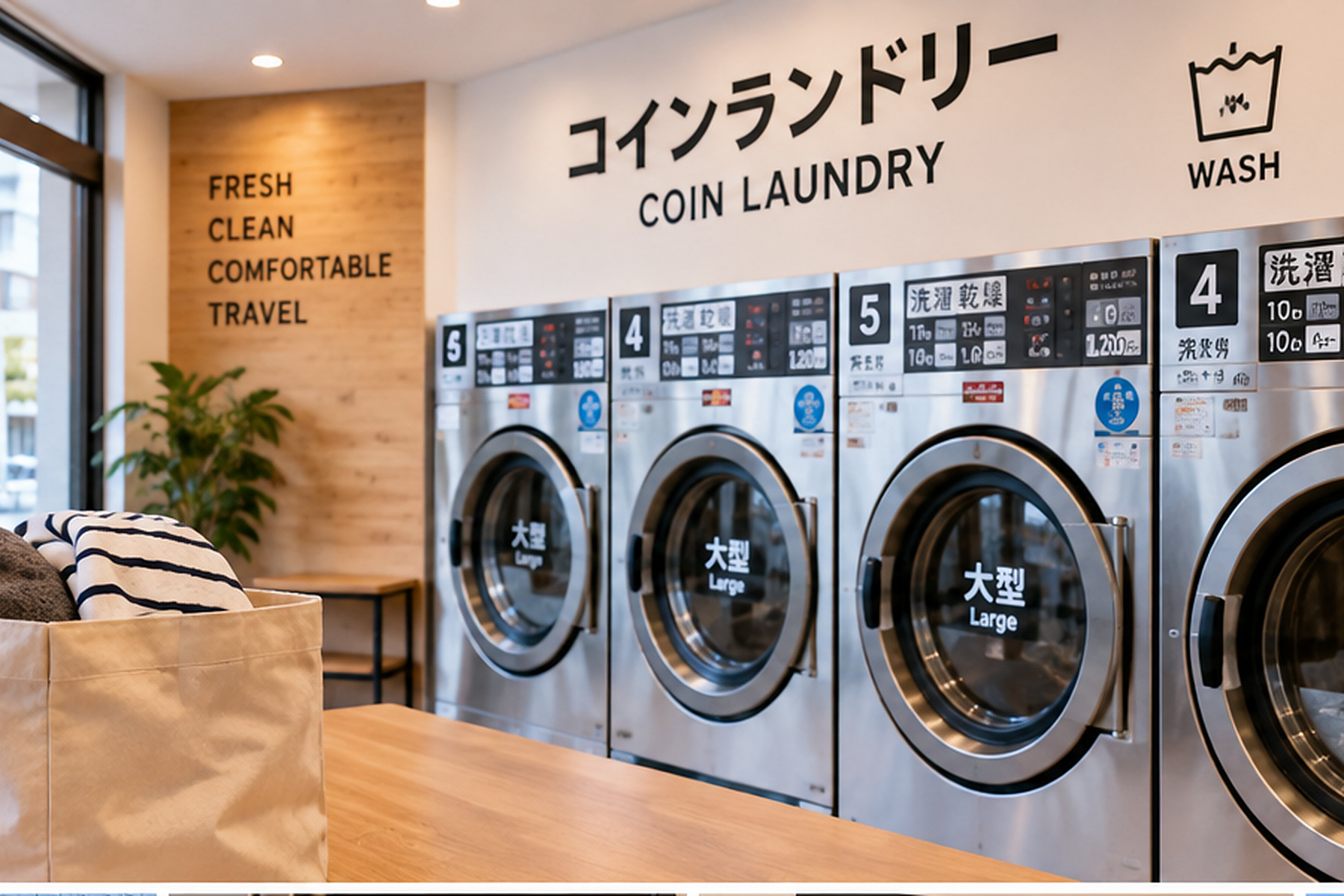
For most travelers, the easiest options are a hotel laundry room or a nearby coin laundry. Check the machine before starting because payment, detergent and wash-dry functions vary: some commercial laundries add detergent automatically and accept cashless payment, while other machines may require coins or separate detergent. Plan enough time for drying and return promptly when the cycle ends.
What You’ll Learn
- Which laundry option fits your hotel, trip length and load size
- How to use a Japanese coin laundry without guessing at each step
- When detergent may be automatic and when you should check first
- How to dry clothes efficiently and avoid damaging delicate items
Choose the easiest laundry option for your trip
Japan offers several practical ways to wash clothes while traveling: hotel laundry rooms, neighborhood coin laundries, in-room or apartment washing machines, and paid hotel laundry services. The best choice depends on your load size, accommodation and how much time you can spare.
A hotel machine is usually the simplest option for a small load. A coin laundry is often better when you have several days of clothes, family laundry, towels or items that need a larger drum and a stronger dryer.
- Hotel laundry room: convenient and close to your room
- Coin laundry: useful for larger loads and faster drying
- Apartment or in-room washer: convenient for longer stays
- Hotel laundry service: low effort but usually the premium option
- Hand washing: best kept for a few small items rather than a full load
Schedule laundry before it becomes urgent
Laundry is easiest when you plan it around a slower part of the trip rather than waiting until every clean item is gone. A transfer day, late check-out or early flight is a poor time to discover that every machine is occupied.
For a longer itinerary, decide in advance which hotel night will be your laundry night. This also lets you pack fewer clothes without depending on an emergency wash.
- Do laundry before a busy travel morning
- Leave enough time for both washing and drying
- Avoid starting a load just before check-out or bedtime
- For family trips, expect larger and more frequent loads
Hotel laundry rooms and accommodation machines
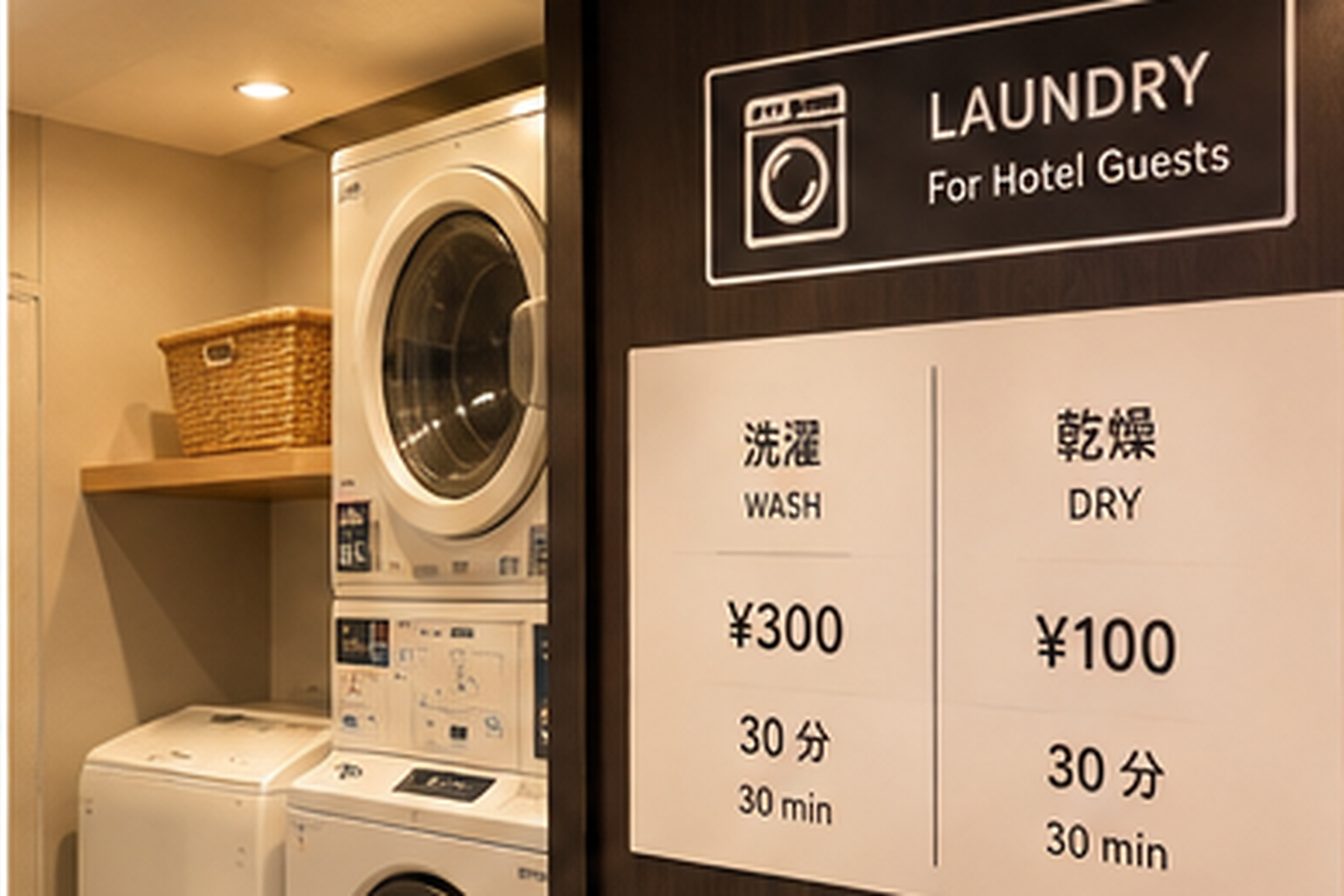
Many Japanese hotels, hostels, capsule hotels and serviced apartments provide laundry facilities, but the setup differs by property. Some offer shared coin-operated machines, while apartment-style accommodation may provide a washing machine inside the room.
Before booking, check the property facilities page or ask the front desk. Confirm whether there is a dryer, whether detergent is provided, what payment method is used and whether the room or building has a suitable place to dry clothes.
- Check whether the property has washers, dryers or a combined machine
- Confirm whether detergent is included, sold nearby or required separately
- Check operating hours if the laundry room is not open all night
- Do not wash clothing in a communal bath area; use the designated laundry facility or service
How to use a coin laundry in Japan
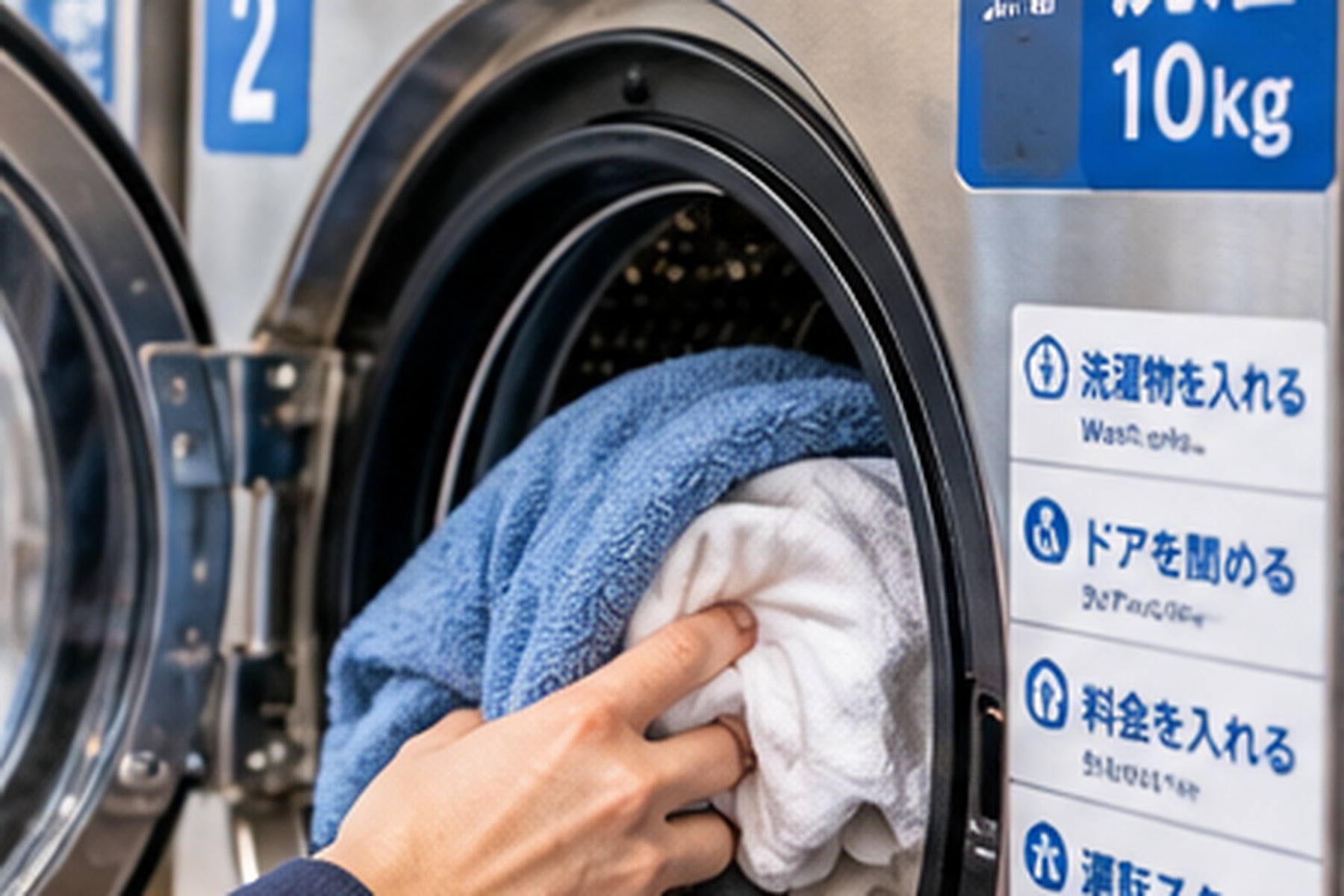
The safest approach is to read the instructions on the specific machine before loading it. At WASHHOUSE, for example, the basic sequence is to load the laundry, select the wash or wash-dry course, lock the door, check the displayed price and pay before the machine starts.
Other laundromats may use a different sequence, so do not assume every machine works the same way. Before paying, check the drum, empty your pockets, make sure no clothing is trapped in the door and confirm that you selected the correct washer, dryer or combined machine.
- Check the drum for forgotten items or dirt
- Load clothes without overfilling the drum
- Choose wash, dry or combined wash-dry when the machine offers those choices
- Confirm the price and payment method before inserting money
- Return when the cycle finishes and remove your clothes promptly
Detergent, softener and payment are not universal
Do not automatically add detergent until you know what the machine requires. Some laundromat chains automatically dispense detergent and softener, while other machines or hotel washers may require you to add your own.
Payment also varies. Coins are still used at many machines, while some operators support cashless apps or other digital payment. Check the instructions at the machine rather than relying on what worked at the previous laundromat.
- Look for detergent instructions before opening a detergent drawer
- If detergent is automatic, do not add an extra dose unless the machine tells you to
- Keep some cash available even if you prefer cashless payment
- Check whether a dryer is paid separately from the wash cycle
Dry clothes efficiently without damaging them
Drying is often the part travelers underestimate. A washer may finish quickly, but thick cotton, jeans, hoodies and towels can need additional drying time, especially when the drum is too full.
Check care labels before using a tumble dryer. WASHHOUSE specifically warns against putting certain delicate materials, rubber items, strings and metal fittings into its dryers because heat or tumbling can damage the item or the machine.
- Split an overloaded wet load before drying
- Add extra drying time only after checking the fabric
- Air-dry delicate items when the care label does not allow tumble drying
- Do not leave damp clothes packed in luggage for long periods
Using an apartment or in-room washing machine
Apartment hotels and serviced apartments can be especially useful on longer stays because some rooms include a washing machine. This gives you more flexibility, but the machine may be a compact domestic model rather than a commercial washer-dryer.
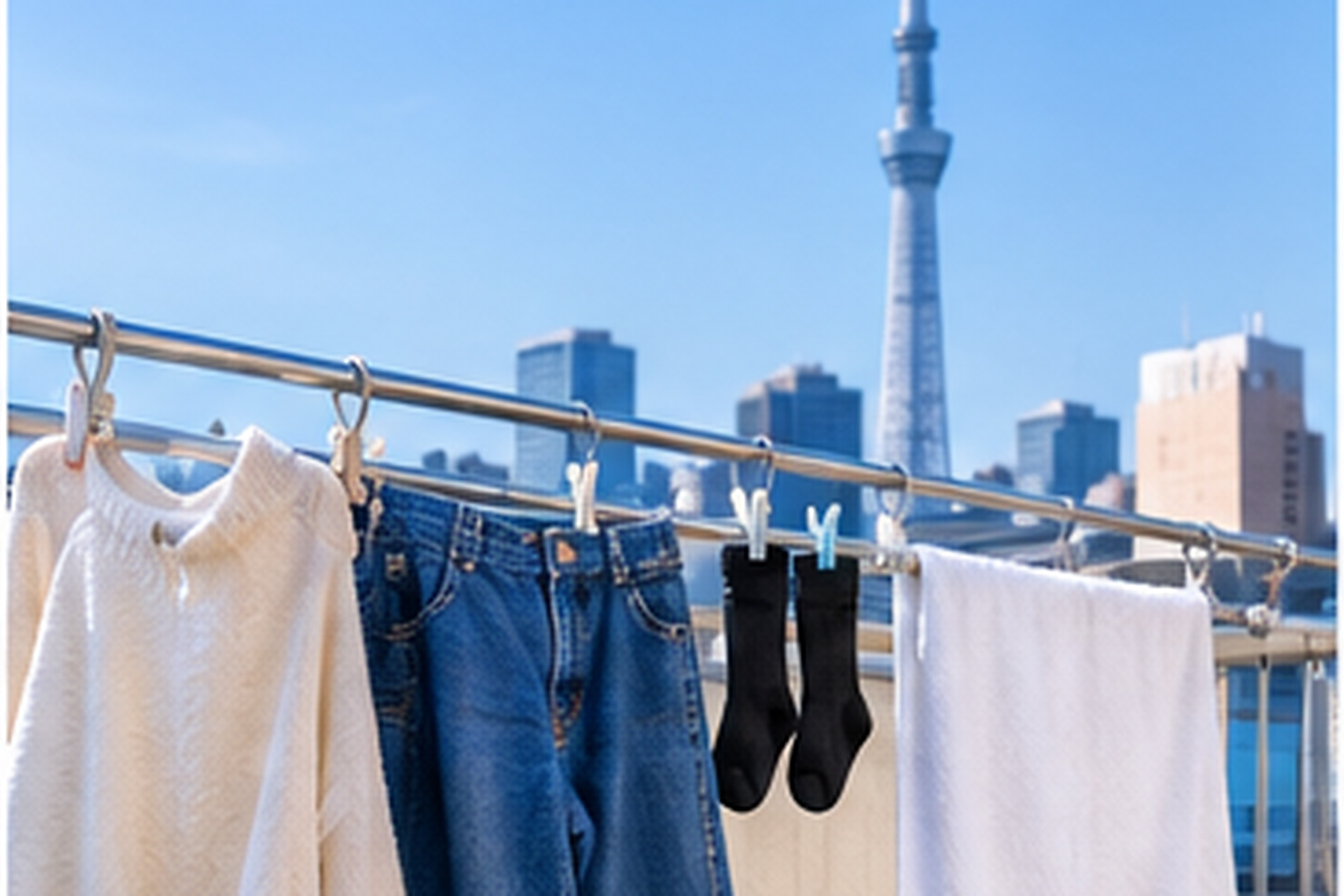
Check whether drying is built in or whether you need a balcony, bathroom drying function or indoor rack. In humid weather, air-drying can take much longer than expected, so wash earlier in the day when possible.
- Read the accommodation instructions before choosing a cycle
- Use the recommended amount and type of detergent
- Confirm where wet clothes may be hung
- Ventilate the drying area when the property rules allow it
Know what should not go into a laundromat machine
A large commercial machine does not mean every item is safe to wash or dry. Fabric type, construction and care labels still matter.
Wool, leather, heavily decorated clothing, items with beads or embroidery, rubber-backed products and other delicate pieces may be unsuitable for commercial washing or tumble drying. When the label is unclear, use a gentler option or ask the accommodation staff for help.
- Check every care label before using high heat
- Remove coins, keys, tissues and electronics from pockets
- Close zippers and secure loose cords when appropriate
- Do not put prohibited or unhygienic items into shared machines
Laundry etiquette and security
Shared laundry works best when everyone returns promptly. At some coin laundries, finished laundry may be moved so the next customer can use the machine, which is another reason not to leave your load unattended for a long time.
Keep valuables with you, use your phone timer and avoid occupying folding tables or baskets longer than necessary. If a machine stops or displays an error, use the operator's instructions or contact details instead of forcing the door.
- Set a timer for the expected end of the cycle
- Remove clothes promptly after washing or drying
- Keep passports, wallets and electronics out of laundry baskets
- Report machine problems instead of trying to force a locked door
Adjust your plan for Japan's weather
Summer heat and humidity can create more laundry but can also make indoor air-drying slow and uncomfortable. Rainy periods are another reason to prioritize a dryer or a room with a bathroom drying function.
In winter, you may wash fewer lightweight items, but thick clothing can take much longer to dry. The practical solution in every season is the same: build laundry time into the itinerary instead of treating it as a last-minute chore.
- Hot weather: expect more frequent washing because of sweat
- Rainy or humid weather: use a dryer when air-drying is too slow
- Cold weather: allow more drying time for thicker fabrics
- Before changing cities: finish drying completely before packing
A simple laundry checklist for travelers
You do not need to understand every Japanese laundry symbol before starting. A short pre-check prevents most mistakes.
If anything is unclear, use the machine's English instructions when available, ask hotel staff or choose a simpler wash cycle rather than guessing.
- Check pockets and care labels
- Confirm washer, dryer or wash-dry machine
- Check detergent requirements
- Confirm payment method and displayed price
- Do not overfill the drum
- Set a timer and return promptly
- Make sure everything is fully dry before repacking
FAQ
Are coin laundries easy to use in Japan?
Usually yes. Many commercial machines show the main steps on the machine, and some laundromat chains provide English instructions. The exact order, payment method and detergent system vary, so check the machine before paying.
Do I need to bring detergent to a Japanese coin laundry?
Not always. Some commercial laundromats automatically add detergent and softener, while other machines may require your own detergent. Check the machine instructions first.
Can I pay by card or phone at a coin laundry in Japan?
It depends on the operator and machine. Some laundromats support cashless app payment, while others use coins. Keep a backup payment option and confirm the accepted method at the machine.
Can I leave my laundry and come back later?
You can step away, but return by the expected finish time. Shared machines are in demand, and finished laundry may sometimes be moved so the next customer can use the machine.
Can I wash clothes in a hotel bath or public bath area?
Do not do laundry in a communal bath area. Tokyo's official visitor manners guide advises travelers to use the hotel's or ryokan's coin laundry facilities or laundry services instead.
Related Japan Travel Guides
Official References
Final Thoughts
Laundry in Japan is straightforward once you separate three decisions: where to wash, whether detergent is included and how you will dry the load. Check those points before you start, return when the cycle finishes and plan laundry on a slower travel day so clean clothes never become an itinerary problem.