
Hotel Check-In in Japan: Passports, Timing and Room Checks
Check into a hotel in Japan smoothly with clear guidance on passports, arrival times, payments, luggage, room checks, keys and property rules.
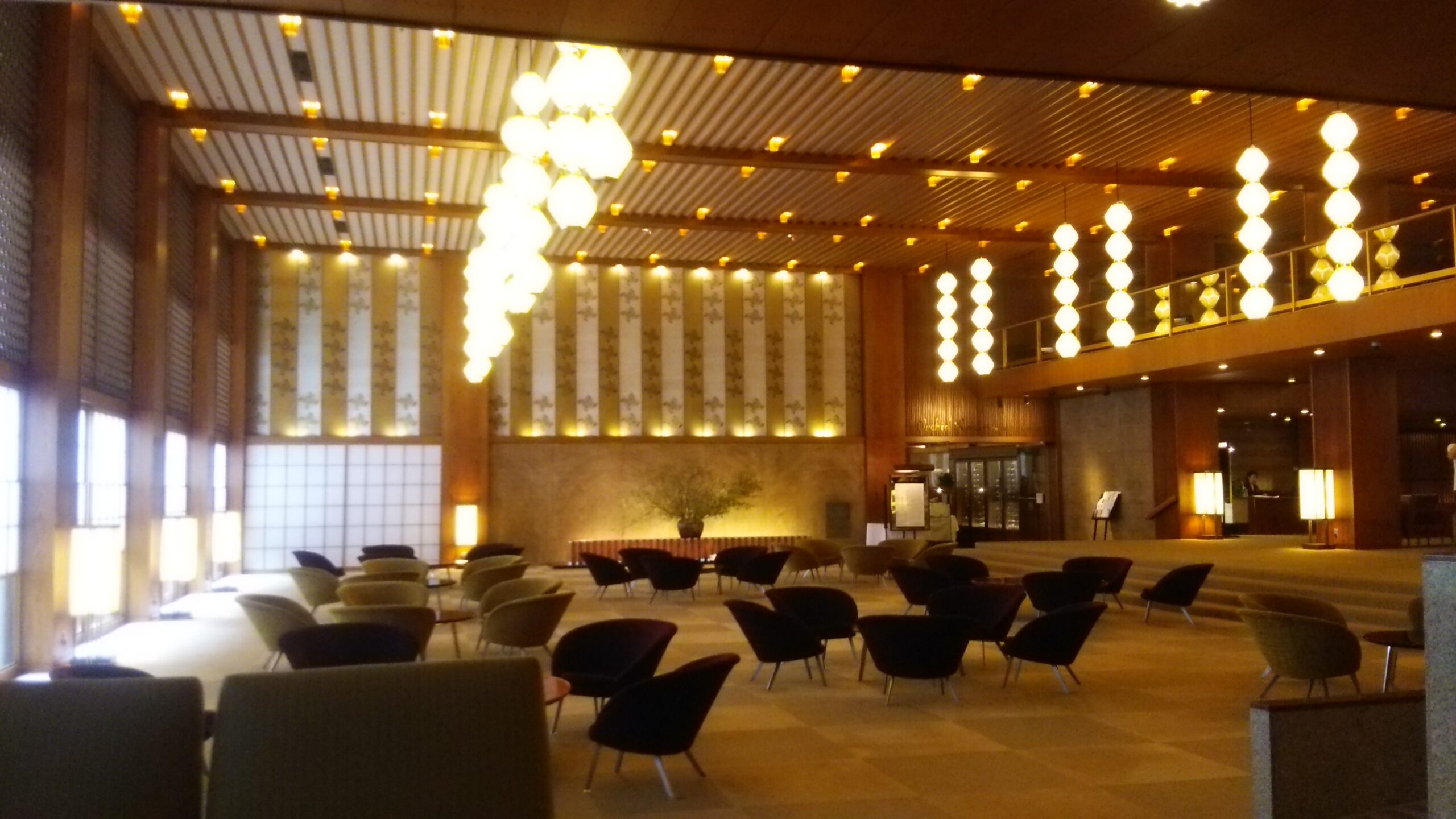
For hotel check-in in Japan, bring the physical passport when you are a foreign visitor without an address in Japan, keep the reservation number and exact property address available offline, and arrive within the confirmed check-in window. Notify the hotel before the deadline if delayed. At reception, verify the room type, remaining charges, deposit, checkout time, key access and luggage arrangements. Inspect the room promptly and report any mismatch while staff can still correct it. Ryokan, capsule hotels and automated properties have additional schedules or access rules, so read the property’s own instructions rather than assuming one universal process.
What You’ll Learn
- Prepare the reservation and identification required at reception.
- Handle early arrival, delays and late check-in correctly.
- Verify charges, deposits, keys and luggage arrangements.
- Inspect the room and report problems while they can be fixed.
- Adapt the process for ryokan, capsule and automated hotels.
Prepare the booking before you arrive
Save the hotel name, address, telephone number, reservation number and booking conditions where they remain available without internet access. Use the exact property address because hotels with similar names may operate near different stations or exits.
Check the booked date, number of nights, room type, bed arrangement and registered guests. If anything is wrong, contact the booking channel or hotel before reaching the desk; reception may not be able to rewrite a third-party reservation.
- Keep the confirmation available offline.
- Match the property address, dates and room type.
- Know which company controls changes and refunds.
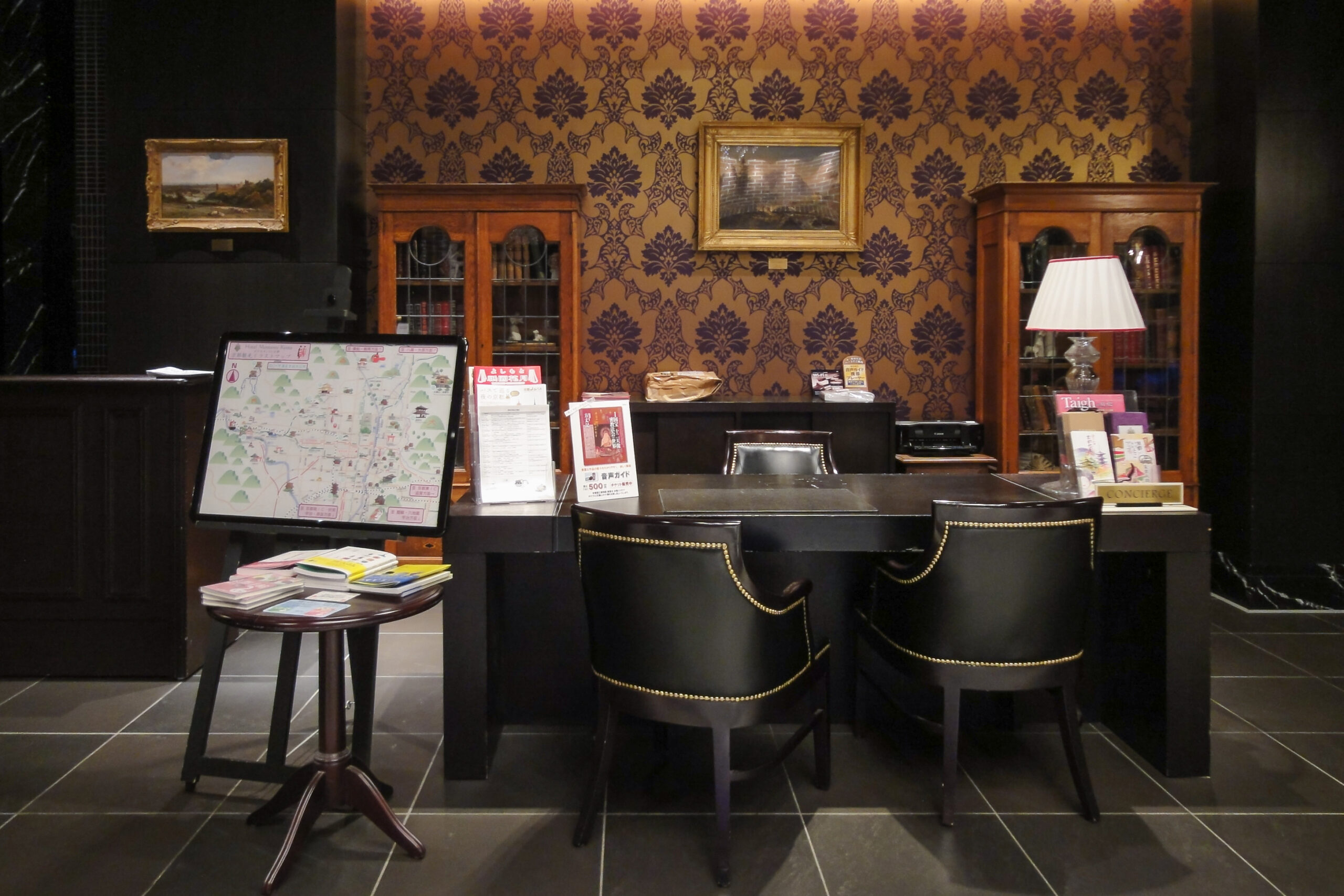
Bring the correct identification
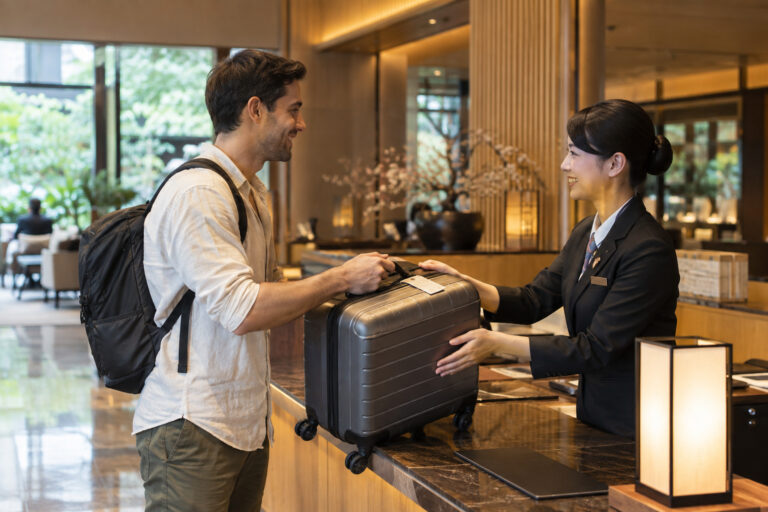
Foreign nationals who do not have an address in Japan are required to provide nationality and passport number and present their passports for copying at lodging facilities. Carry the physical passport rather than depending on a photograph stored on a phone.
Each guest should be registered accurately. A residence card, driving licence or booking screenshot should not be assumed to replace a passport when the passport requirement applies.
- Carry the physical passport.
- Register every overnight guest.
- Keep names consistent with the reservation.
Understand check-in time and early arrival
The check-in time marks when the room is expected to become available. Arriving earlier does not guarantee access, even when the reception desk is open. Ask whether the hotel can store luggage and when the room will be ready.
An early check-in fee or a previous-night booking may be needed when immediate room access is essential. Do not plan a shower, meeting or rest period around unconfirmed early access.
- Separate early arrival from early room access.
- Confirm luggage storage hours.
- Pay for guaranteed access only through an approved channel.
Handle late arrival before the deadline
Check the latest accepted arrival, not only the start of check-in. Small hotels, ryokan and meal-inclusive stays may close reception or treat an unannounced delay as a no-show.
Contact the property as soon as a flight or train delay threatens the deadline. State the reservation name, confirmation number and realistic arrival time. Keep written confirmation of any new arrangement.
- Know the latest check-in time.
- Warn the hotel before the deadline.
- Save proof that the late arrival was accepted.
Complete guest registration accurately
Reception may ask for names, addresses, occupations, contact details and other information required for the guest register. Enter details clearly and do not omit a companion who will stay overnight.
If the booking is under a nickname, different script or someone else’s account, have the booking number and lead guest information ready. Group travelers should ask whether all passports are needed at once.
- Use the lead guest name shown on the booking.
- Register every person staying in the room.
- Ask how a group should present documents.
Check payment, deposits and local charges
A prepaid reservation can still involve property-collected taxes, deposits or charges for extras. Ask what remains payable, which currency and payment methods are accepted, and whether a temporary card authorization will be released automatically.
Review the receipt before leaving the desk. If the amount differs from the confirmation, compare the room plan, guest count, taxes and optional services before authorizing payment.
- Separate prepaid room cost from property charges.
- Understand deposits and card authorizations.
- Request an itemized receipt for unclear amounts.
Learn how the room key and building access work
A key card may control the lift, entrance, room electricity or shared facilities. Traditional lodgings may issue a physical key, while an automated property may provide a code through email or a kiosk.
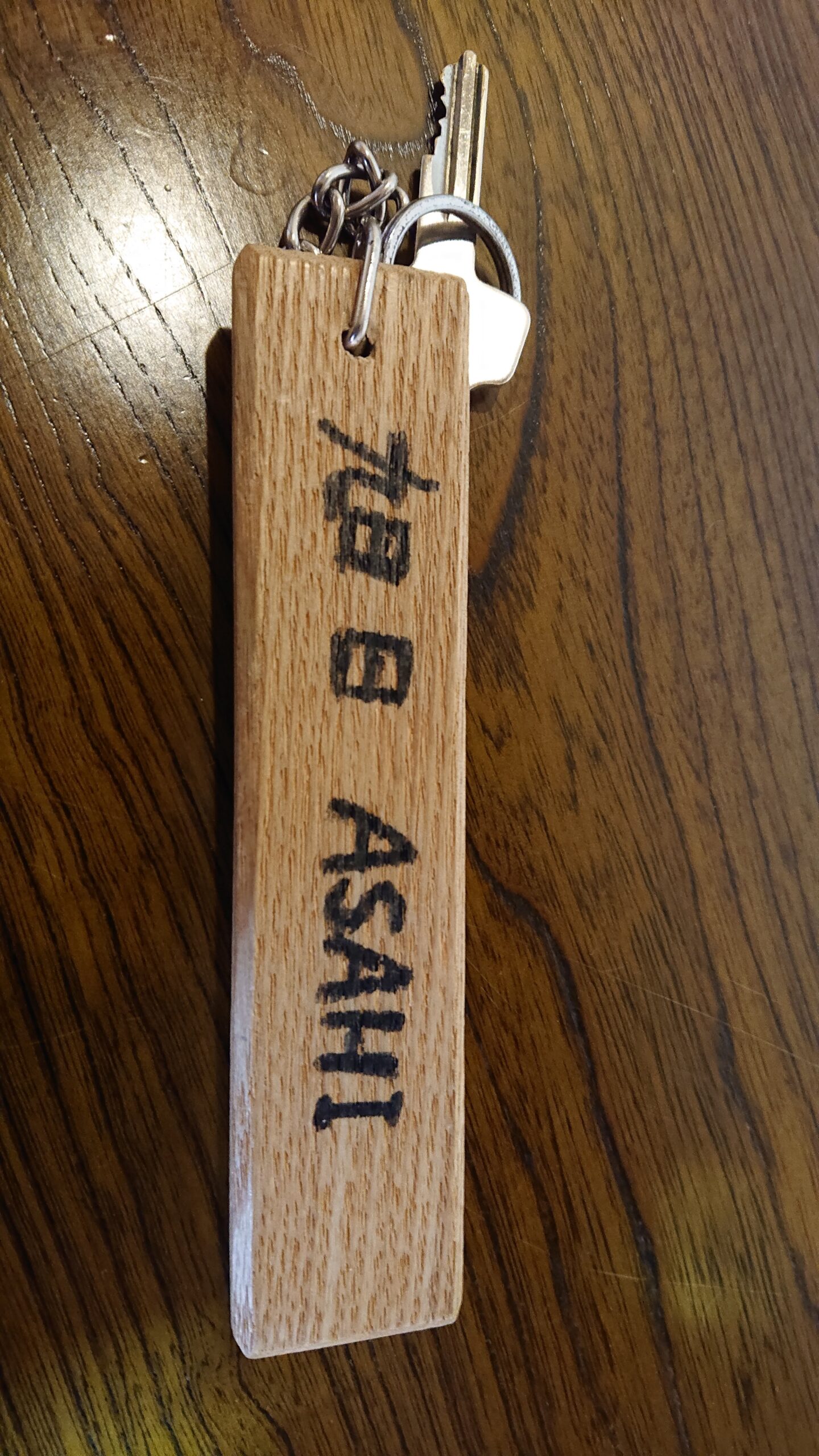
Ask about overnight entrance, lost-key charges and the procedure for leaving the key at reception. Never write the room number on a key holder that could expose the room if lost.
- Test the key before unpacking.
- Confirm late-night entrance access.
- Store codes and keys securely.
Arrange luggage storage and delivery
Confirm whether reception stores bags before check-in or after checkout, and ask about size, time and liability limits. Unattended racks are different from a staffed storage room.
For luggage forwarding, verify that the next property accepts deliveries, use the exact reservation name and allow enough transit time. Keep passports, medicine, valuables and the next day’s essentials out of a shipped bag.
- Check storage hours and oversized-bag rules.
- Confirm the receiving property before forwarding.
- Carry documents, medicine and valuables yourself.
Inspect the room promptly
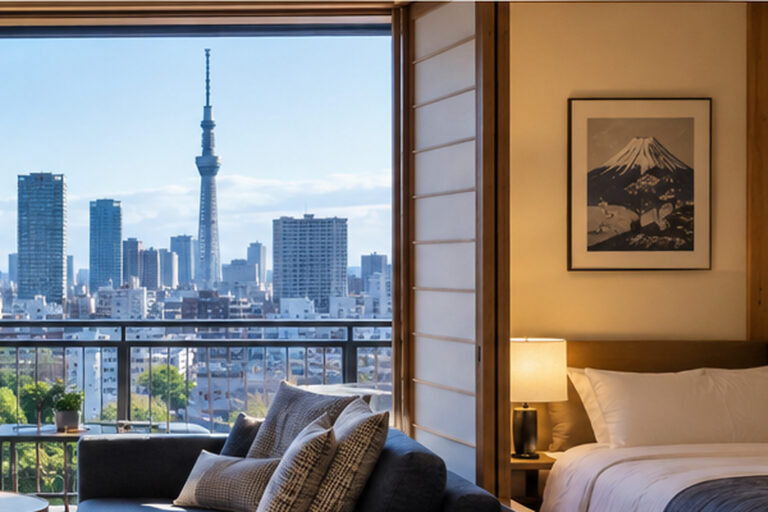
Before settling in, check that the room type, beds, smoking status and bathroom match the reservation. Test the lock, climate control, lights, charging points and water, and look for visible damage or cleanliness problems.
Report a problem immediately with a clear description and photographs where useful. Waiting until checkout makes it harder for the hotel to inspect the issue or offer a practical solution.
- Confirm the booked room and bed setup.
- Check locks and essential equipment.
- Report damage or cleanliness issues at once.
Confirm Wi-Fi, amenities and house rules
Ask where to find the Wi-Fi details, breakfast location, laundry, ice, vending machines and emergency exit. Do not assume that toiletries, sleepwear, bottled water or daily cleaning are included.
Review smoking areas, visitor rules, quiet hours and cleaning choices. Some hotels require a sign, app request or reception notice before housekeeping will enter.
- Locate the evacuation route.
- Check breakfast and facility hours.
- Understand housekeeping and visitor rules.
Treat a ryokan arrival differently
A ryokan may schedule dinner, prepare futon bedding and explain bathing customs at check-in. Arriving after the final dinner time can mean losing the meal without a refund, so plan transport around the property’s confirmed schedule.
Remove shoes where directed and ask about yukata, bath access, tattoo rules and meal locations. Essential dietary requests should be confirmed before arrival rather than introduced at the dining table.
- Arrive before the confirmed dinner deadline.
- Follow footwear and bathing instructions.
- Resolve dietary and tattoo questions in advance.
Prepare for capsule and automated check-in
Capsule hotels may separate reception, lockers, showers and sleeping floors. Confirm gender and age eligibility, luggage storage, quiet hours, daytime cleaning and whether repeated checkout is required during a multi-night stay.
Self-service kiosks can still require a passport scan, booking code or staff verification. Keep the property contact method available in case the machine cannot find the reservation or issue a key.
- Check property-specific eligibility and access rules.
- Have the passport and booking code ready.
- Know how to reach staff when automation fails.
Resolve room problems without losing options
State the specific issue, the booked condition and the result needed. For example, explain that the confirmed non-smoking room smells of smoke and ask for an inspection or equivalent room rather than making a general complaint.
If reception cannot solve it, document names, times, photographs and receipts, then contact the booking platform through its official channel. Do not cancel or move hotels until you understand who can authorize a refund.
- Describe the exact mismatch.
- Give the hotel a chance to inspect and correct it.
- Preserve evidence before escalating.
Prepare for checkout before sleeping
Confirm checkout time, payment balance, key return and luggage plans at check-in so the final morning is predictable. Settle questions about receipts or deposits before a tight train or flight connection.
Before leaving, inspect the safe, charging points, bathroom, wardrobe, under the bed and luggage area. Return keys as instructed and keep the final receipt until all card holds and refunds are resolved.
- Know the checkout deadline and payment balance.
- Check every storage and charging point.
- Keep the receipt until the transaction is complete.
FAQ
Do tourists need a passport to check into a hotel in Japan?
Foreign nationals without an address in Japan are required to provide nationality and passport number and present the passport for copying at lodging facilities. Carry the physical passport.
Can I check in before the stated time?
You may ask, but room access is not guaranteed. The hotel may store luggage, charge an early-access fee or advise when the room will be ready.
What happens if I arrive late?
Contact the hotel before its latest check-in deadline. An unannounced delay may be treated as a no-show, especially at a small property or meal-inclusive ryokan.
Why is the hotel asking for payment after I prepaid?
The remaining amount may be a property-collected tax, deposit or optional charge. Compare it with the confirmation and request an itemized explanation before paying.
Can a hotel store luggage before check-in?
Many do, but storage hours, bag sizes, security and fees vary. Confirm directly, particularly for early arrivals, oversized bags or unstaffed properties.
What should I do if the room is wrong or dirty?
Photograph the issue and report it immediately. State the booked condition and the remedy needed, then contact the booking platform if the property cannot resolve it.
Does every hotel have staff all night?
No. Small lodgings and automated properties may have limited reception hours. Confirm overnight entrance and the emergency contact before arriving late.
Related Japan Travel Guides

Official References
Final Thoughts
A smooth check-in begins before the lobby. Carry the required identification, know the latest arrival time and keep the correct reservation offline. At the desk, verify charges, access and checkout details; in the room, report problems immediately. Property-specific instructions always control the final process.