
How to Send Luggage in Japan: Hotels, Airports & Takkyubin
Send your suitcase ahead in Japan with less stress. Learn hotel-to-hotel forwarding, airport delivery, timing, packing, costs, and train-smart alternatives.
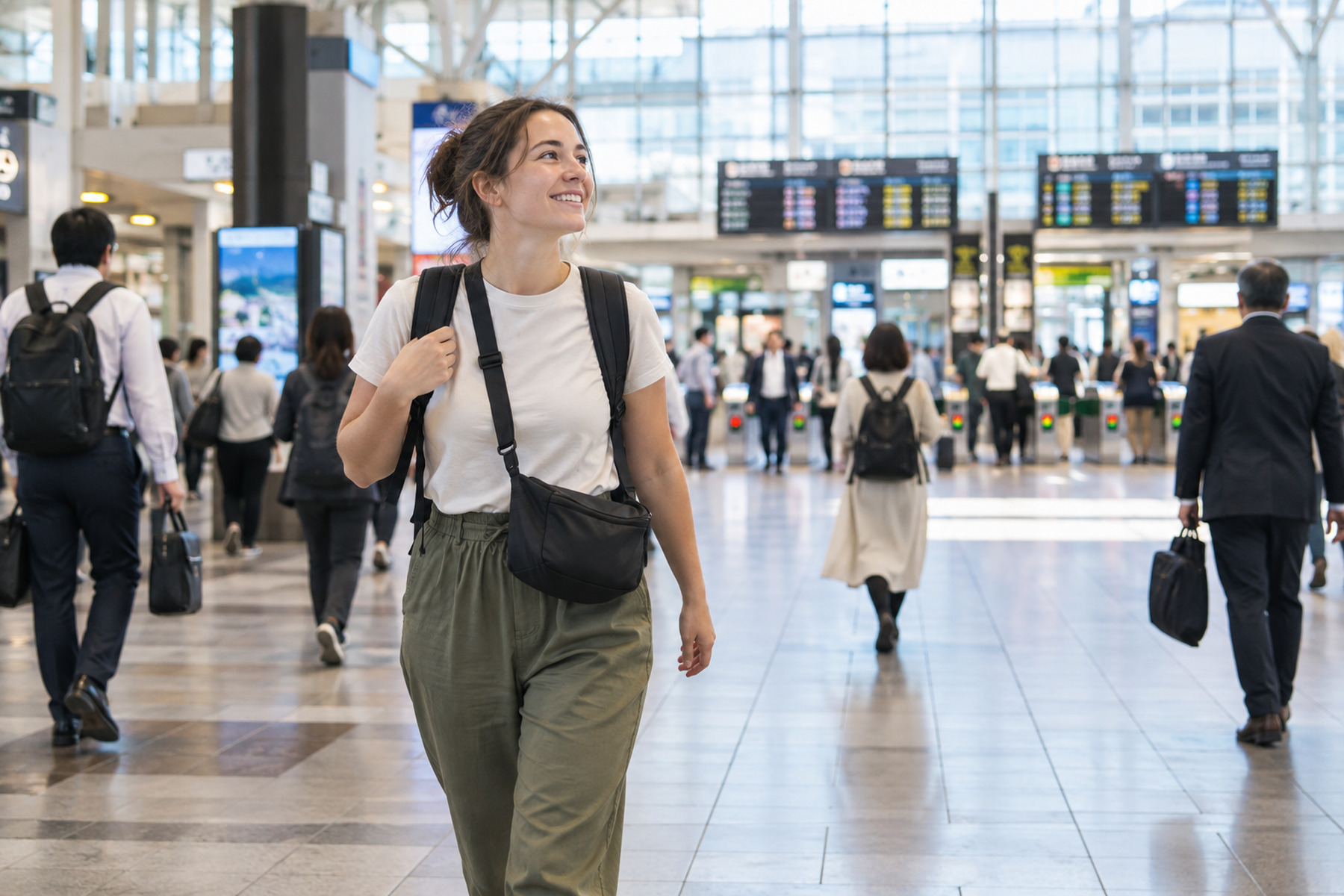
For most travelers, the easiest way to send luggage in Japan is to ask the hotel front desk whether it can forward your suitcase and whether the next hotel can receive it. Prepare the destination hotel’s full name, address, phone number and your check-in date, keep the receipt or tracking number, and carry a small overnight bag because same-day delivery is not available on every route. Airport delivery has separate cut-off times, and unmanned accommodation requires extra checking before you send anything.
What You’ll Learn
- When hotel-to-hotel luggage forwarding is worth the extra cost
- How to prepare the destination details and complete the handoff
- What to keep in your day bag while your suitcase is in transit
- How airport and Shinkansen luggage rules change your best option
When Luggage Forwarding Is Worth It
Japan’s domestic courier network makes it possible to send a suitcase ahead instead of dragging it through stations, stairs and crowded trains. The service is commonly called takkyubin or takuhaibin; TA-Q-BIN is Yamato Transport’s brand name.
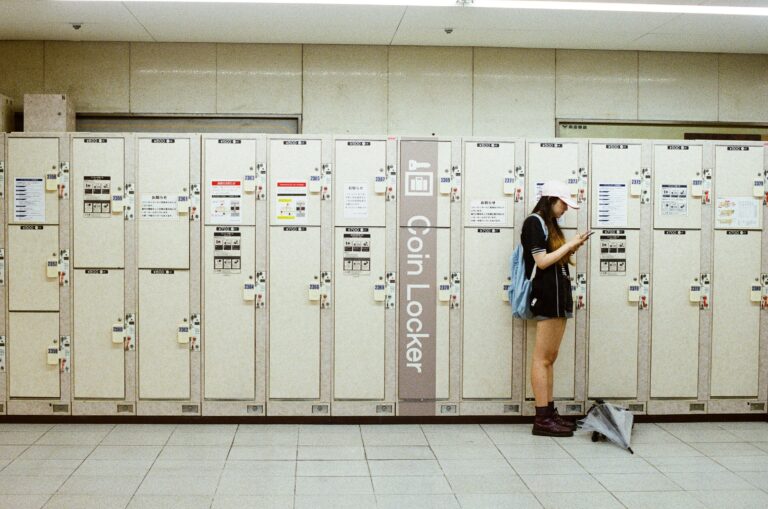
Forwarding is most useful when you are changing hotels, moving between distant cities, traveling with children, carrying a large suitcase, or heading to an airport after sightseeing. If you only need to leave a bag for a few hours and return to the same area, a station locker or hotel storage is usually simpler.
- Use forwarding when you can be without the suitcase until the destination receives it.
- Use a locker or hotel storage when you need the bag again the same day.
- Do not build a tight itinerary around an assumed same-day arrival.
Where You Can Send a Suitcase From
A staffed hotel front desk is usually the easiest starting point because staff can confirm whether the property handles luggage forwarding and help with the waybill. Major airports and dedicated baggage counters also offer luggage services, and some convenience stores accept courier parcels.
Acceptance is not universal. Store participation, suitcase size and service options vary, and the receiving side matters just as much as the sending side. Yamato specifically warns that pickup and delivery are not available for Airbnb-style lodging without reception staff, so private-lodging travelers should confirm an alternative before shipping.
- Hotel front desk: best first choice for hotel-to-hotel forwarding.
- Airport baggage counter: useful for arrival-day or departure-day luggage plans.
- Courier service center: a reliable fallback when a hotel cannot handle the shipment.
- Participating convenience store: possible for some courier shipments, but confirm acceptance first.
Hotel-to-Hotel: The Simple Step-by-Step Method
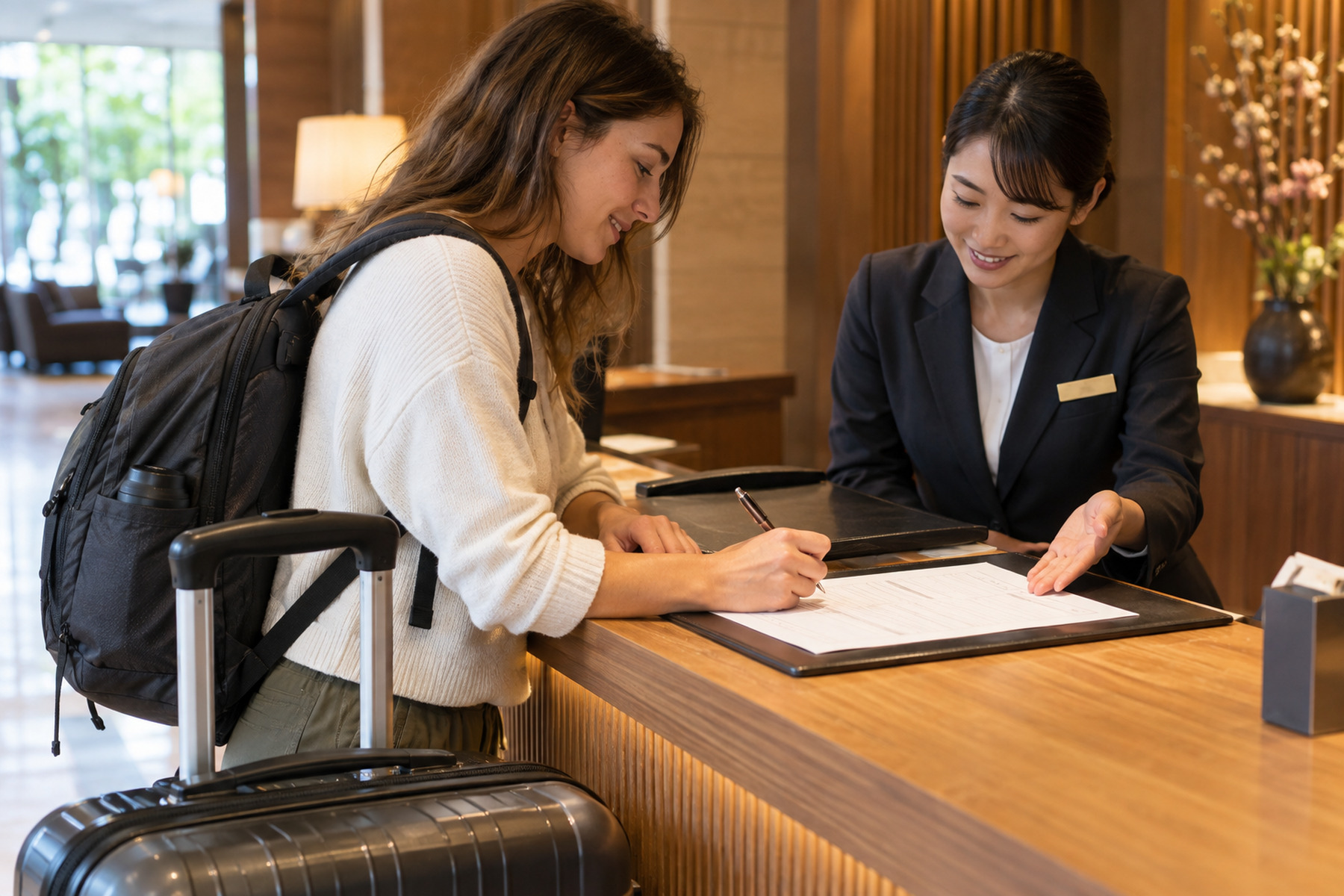
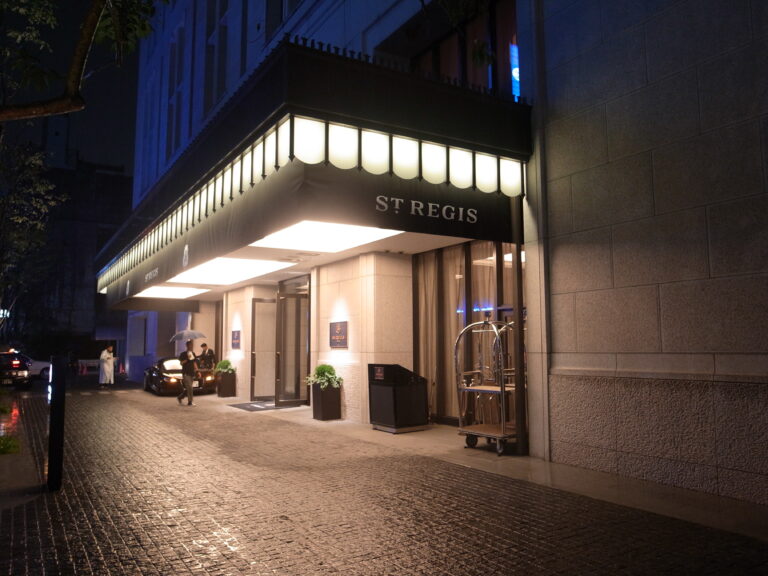
Ask your current hotel about luggage forwarding before checkout, ideally with enough time to solve any address or timing problem. Then confirm that the next hotel accepts forwarded luggage and note the name on your reservation so staff can match the bag to your stay.
Give the sender the next hotel’s official name, full address, phone number and your check-in date. Complete the waybill, confirm the expected delivery date and fee, pay as instructed, and keep the receipt or tracking number until the suitcase is back in your hands.
- Confirm the next property will receive the suitcase.
- Use the hotel’s official booking details rather than a shortened map label.
- Confirm the expected arrival date before you hand over the bag.
- Photograph or keep the waybill receipt and tracking details.
Delivery Timing: Send Earlier Than You Think
Delivery time depends on origin, destination, drop-off time, service area and operating conditions. Same-day luggage delivery exists in selected places, but it is not a nationwide default. Weather and traffic can also delay a shipment.
For an intercity hotel change, plan conservatively and keep what you need for at least the period before the confirmed delivery. For an airport shipment, follow the carrier’s airport deadline rather than guessing from ordinary parcel timing.
- Ask for the actual expected delivery date for your route.
- Do not send a suitcase you may need later that day unless same-day service is confirmed.
- Leave extra margin before a flight or other fixed departure.
What to Keep With You
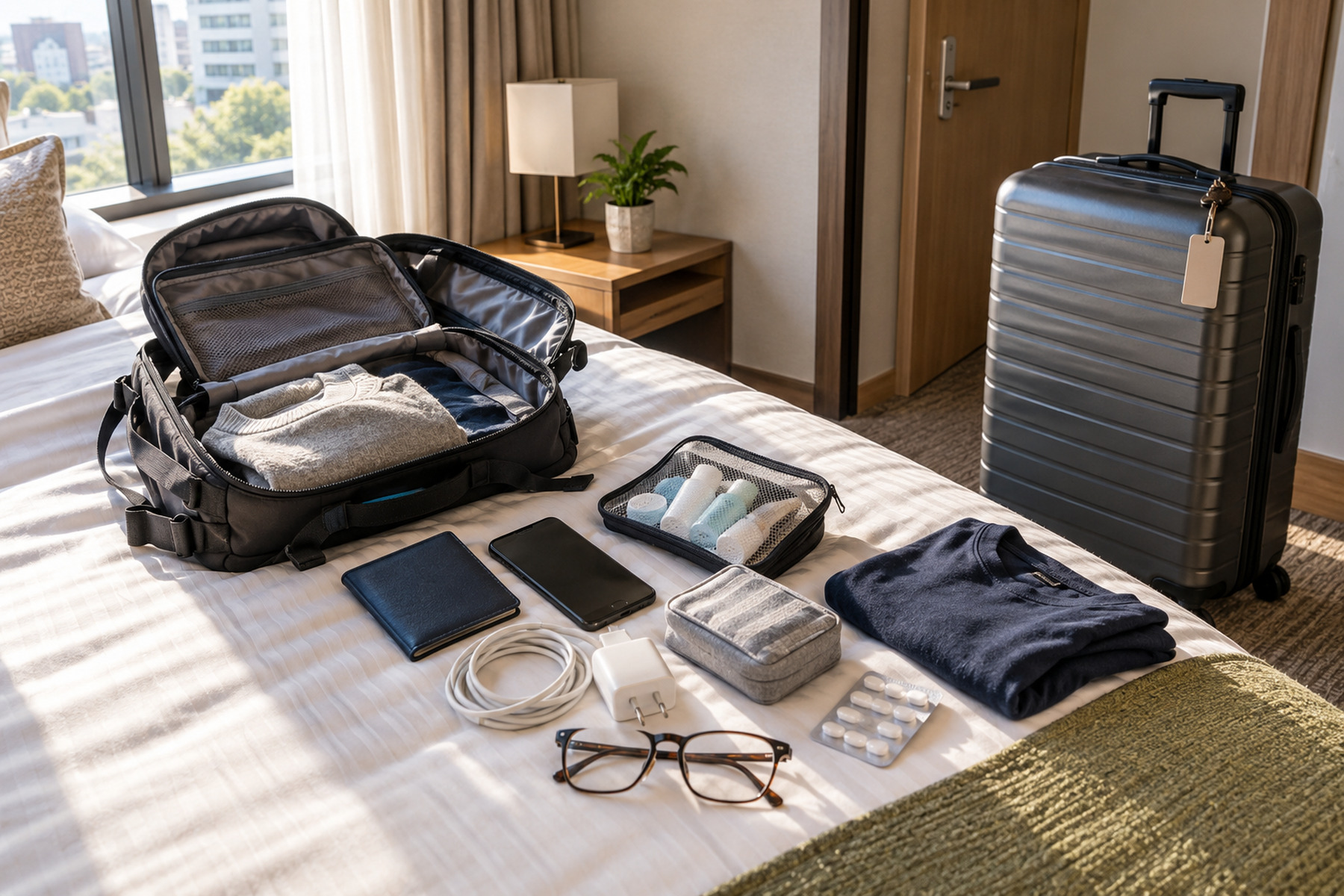
Treat a forwarded suitcase as temporarily unavailable. Your day bag should contain everything you cannot safely be without while the larger bag is moving between locations.
Valuables, travel documents, essential medicine and fragile electronics are poor candidates for forwarded luggage. Carrier restrictions vary, so check the current prohibited-item rules when the contents are unusual.
- Passport and travel documents
- Wallet, payment cards and cash
- Phone, charger and any essential power accessories
- Essential medicine and medical items
- One change of clothes and necessary toiletries
- Glasses, contact-lens supplies and other personal essentials
- High-value or fragile items you cannot risk being delayed
Sending Luggage To or From an Airport
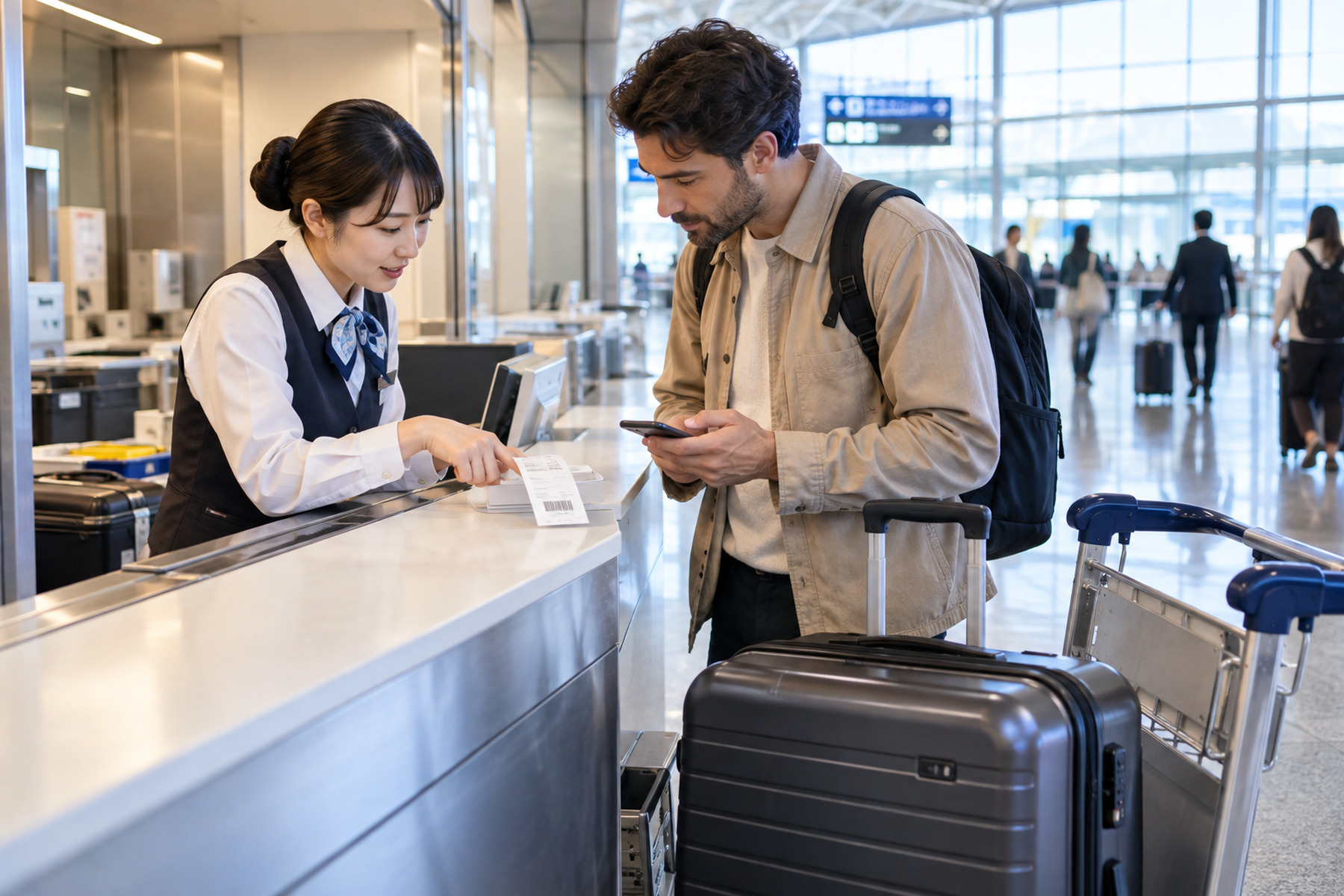
Airport delivery can be valuable when you want to start sightseeing immediately after arrival or spend your final day without a suitcase. Major airports have baggage-delivery services, but counters, destination areas, operating hours and cut-off rules differ.
For a departure, confirm the correct airport, terminal, pickup counter and deadline before shipping. Do not assume the bag can be sent on the morning of your flight. For an arrival, confirm whether the service can reach your hotel on your preferred day and whether the hotel will accept the delivery.
- Match the airport and terminal exactly.
- Check the carrier’s counter hours and shipping deadline.
- Keep flight-day essentials with you.
- Allow contingency time for weather or traffic disruption.
Luggage Forwarding vs Carrying It on the Shinkansen
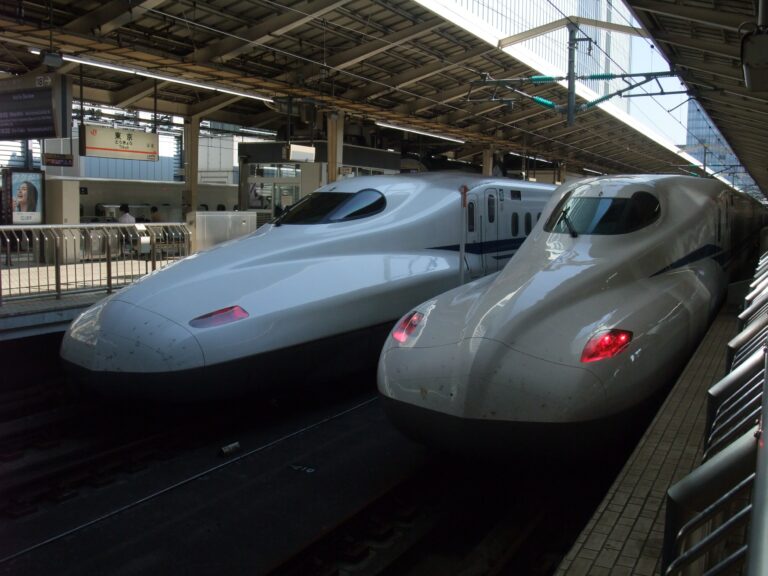
Forwarding is especially attractive on long-distance train days because it reduces the amount you need to move through stations and onto platforms. If you decide to carry a very large suitcase instead, the rules depend on the train service.
On the Tokaido, Sanyo and Kyushu Shinkansen, baggage with total dimensions from 160 cm to 250 cm requires a reservation for a seat with an oversized baggage area. Bags above 250 cm in total dimensions cannot be brought aboard under the standard oversized-baggage rule. Sending a large suitcase ahead can therefore simplify the trip, but it is a convenience choice rather than a requirement for every bag.
- Measure the sum of length, width and height before travel if your suitcase is large.
- Reserve the appropriate oversized-baggage seat when the rule applies.
- Forward the suitcase when you value easier transfers more than immediate access to the bag.
Costs, Size Limits and Tracking
There is no single flat luggage-forwarding price for every traveler. Charges depend on the carrier, package size, route and service type, and airport services can follow different pricing or handling rules.
Size and weight limits also differ by service. Rather than relying on an old fixed number from a travel blog, check the carrier’s current limit for the exact service you plan to use. Before paying, confirm the fee, expected delivery date and tracking method.
- Compare the final quoted fee with the convenience gained on that travel day.
- Confirm size and weight limits for the exact carrier and service.
- Keep tracking information until delivery is complete.
- Ask before shipping unusually shaped, fragile or high-value items.
Common Mistakes That Cause Travel Problems
Most luggage-forwarding problems come from timing or destination mistakes rather than the basic shipping process. A few checks at the counter can prevent a suitcase from arriving after you have already moved on.
The safest routine is simple: verify the receiver, confirm the date, carry essentials, keep the receipt and leave margin in the schedule.
- Sending to a hotel that has not agreed to receive luggage
- Using an incomplete hotel name, address or phone number
- Assuming same-day delivery without confirmation
- Shipping too late for an airport deadline
- Putting a passport, medicine or valuables in the forwarded suitcase
- Forgetting an overnight bag
- Discarding the tracking receipt before delivery
FAQ
Can tourists send luggage between hotels in Japan?
Yes. Many staffed hotels can arrange or receive domestic luggage forwarding. Confirm both the sending and receiving hotel before shipping, because support is not identical at every property.
How long does luggage delivery take in Japan?
It depends on the route, drop-off time, service area and operating conditions. Same-day delivery is limited to selected services and locations, so use the confirmed delivery date from the carrier or hotel rather than assuming your suitcase will arrive the same day.
Can I send luggage to the airport?
Yes, airport luggage delivery is available through major baggage services, but airport counters have specific deadlines, locations and operating rules. Confirm the airport, terminal, pickup point and required shipping date well before your flight.
Can I send luggage from a convenience store?
Some convenience stores accept courier parcels, but participation and handling conditions vary. A hotel front desk or courier service center is often easier for travelers with large suitcases or limited Japanese.
What if I am staying in an Airbnb or unmanned accommodation?
Do not assume door-to-door luggage forwarding will work. Yamato states that pickup and delivery are not available for Airbnb-style lodging without reception staff; use an eligible service center or other confirmed arrangement instead.
Related Japan Travel Guides

Official References
Final Thoughts
Luggage forwarding is one of Japan’s most useful travel conveniences when the route is harder than the suitcase is worth carrying. Start with the hotel front desk, verify the receiving property and delivery date, keep essentials with you, and give airport shipments extra time. If the bag is only being stored for a few hours, use a locker instead; if it is moving to your next city or airport, forwarding can turn a difficult transfer day into a much easier one.