
How to Use Coin Lockers in Japan Without Losing Your Bag
Use coin lockers in Japan confidently by choosing the right location and size, protecting the key or IC card, checking cutoff times and saving the locker number.
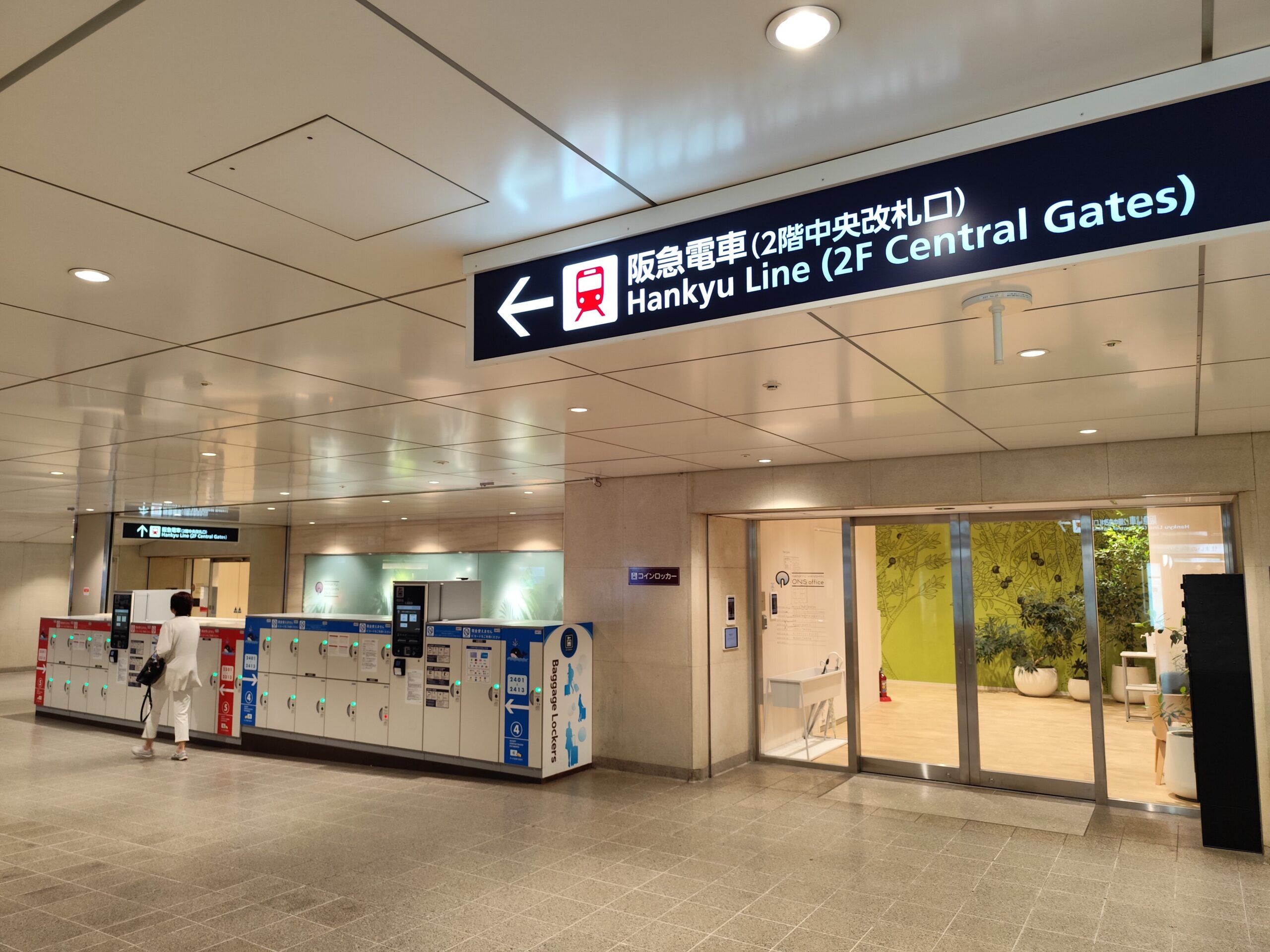
Choose a locker near the exit or line you will use for pickup, confirm that the bag fits, and read the price boundary and maximum storage period before paying. Keep the key, original IC card, phone or retrieval code outside the locker. Photograph the locker number, station floor, gate side and a nearby landmark, then set a reminder early enough to return before the station or building closes.
What You’ll Learn
- How to choose a locker you can find again.
- How cash, key and IC-card lockers differ.
- Why storage charges can increase at a daily cutoff.
- What must stay outside the locker.
- When staffed storage or luggage delivery is safer.
Choose lockers by pickup route, not only availability
Coin lockers are common at major stations, airports and some shopping facilities, but a free locker is useful only if you can return to it. Choose one near the exit, gate or line you will use later. A locker on the wrong side of a large station can add a long walk or require another ticketed-area entry.
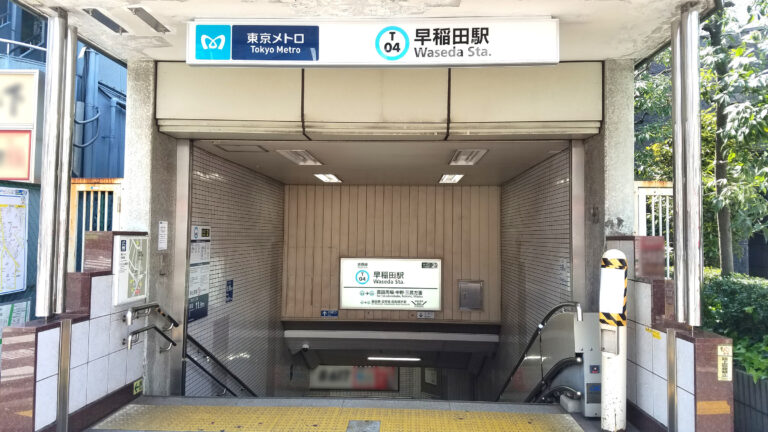
Before storing anything, photograph the locker bank, locker number, nearby exit and a wide landmark such as a ticket gate or shop. Save the station name and floor. Do not rely on remembering that the lockers were “near the platform” in a multilevel interchange.
- Choose the locker around the later pickup route.
- Check whether it is inside or outside the ticket gates.
- Photograph the number, floor, exit and nearby landmark.
Match the locker opening to the actual bag
Locker labels such as small, medium and large are not standardized across every operator. A carry-on case may fit in a medium locker at one station and require a large locker elsewhere. Wheels, handles and a hard shell can prevent a bag from clearing the door even when the stated volume seems sufficient.
Test the bag gently before paying and never force the door. Large suitcase lockers are the first to fill at busy stations. If the bag does not fit, look for another locker bank or an staffed baggage counter rather than leaving part of the case exposed or damaging the lock.
- Judge the door opening, not only the size label.
- Keep handles and straps clear of the door.
- Use a staffed counter for oversized luggage.
Read the price and storage-day boundary before paying
The displayed charge is normally for a defined storage period, not unlimited use until the same clock time the next day. Many lockers add another charge at a daily cutoff set by the operator. The exact price, cutoff, maximum storage period and overdue handling are printed on the locker or payment screen.
Photograph the fee panel and retrieval deadline. If storage may cross the cutoff, keep enough accepted payment value for the extra charge. Long or uncertain storage is better handled by a staffed service whose opening hours, extension rules and contact details are clear.
- Check the daily cutoff and maximum storage period.
- Plan for an additional charge if the boundary is crossed.
- Use staffed storage for a longer or uncertain interval.
Use a key locker without losing the only key
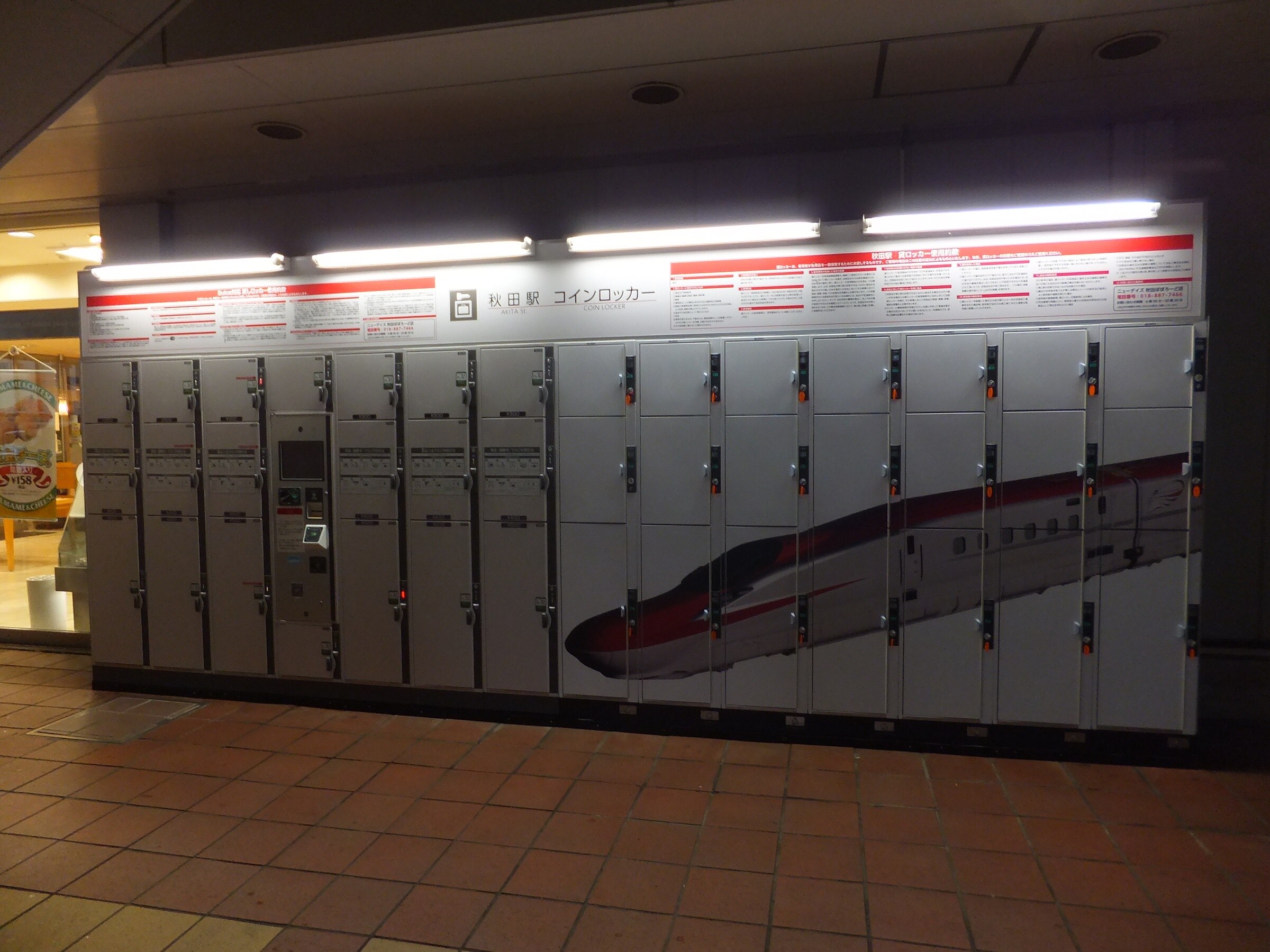
For a traditional coin locker, place the bag inside, close the door, insert the displayed coins and turn the key as directed. Confirm the door is locked before walking away. The key identifies the locker and is normally required for retrieval.
Keep the key in a zipped pocket separate from passports and other items stored inside. Photograph the key tag and locker location, but do not post the photograph publicly. Losing the key can require staff assistance, identification, a description of the contents and an additional fee.
- Use the exact coins shown on the instructions.
- Test the locked door once.
- Keep the key secure and photograph its number privately.
Use an IC-card or electronic locker correctly
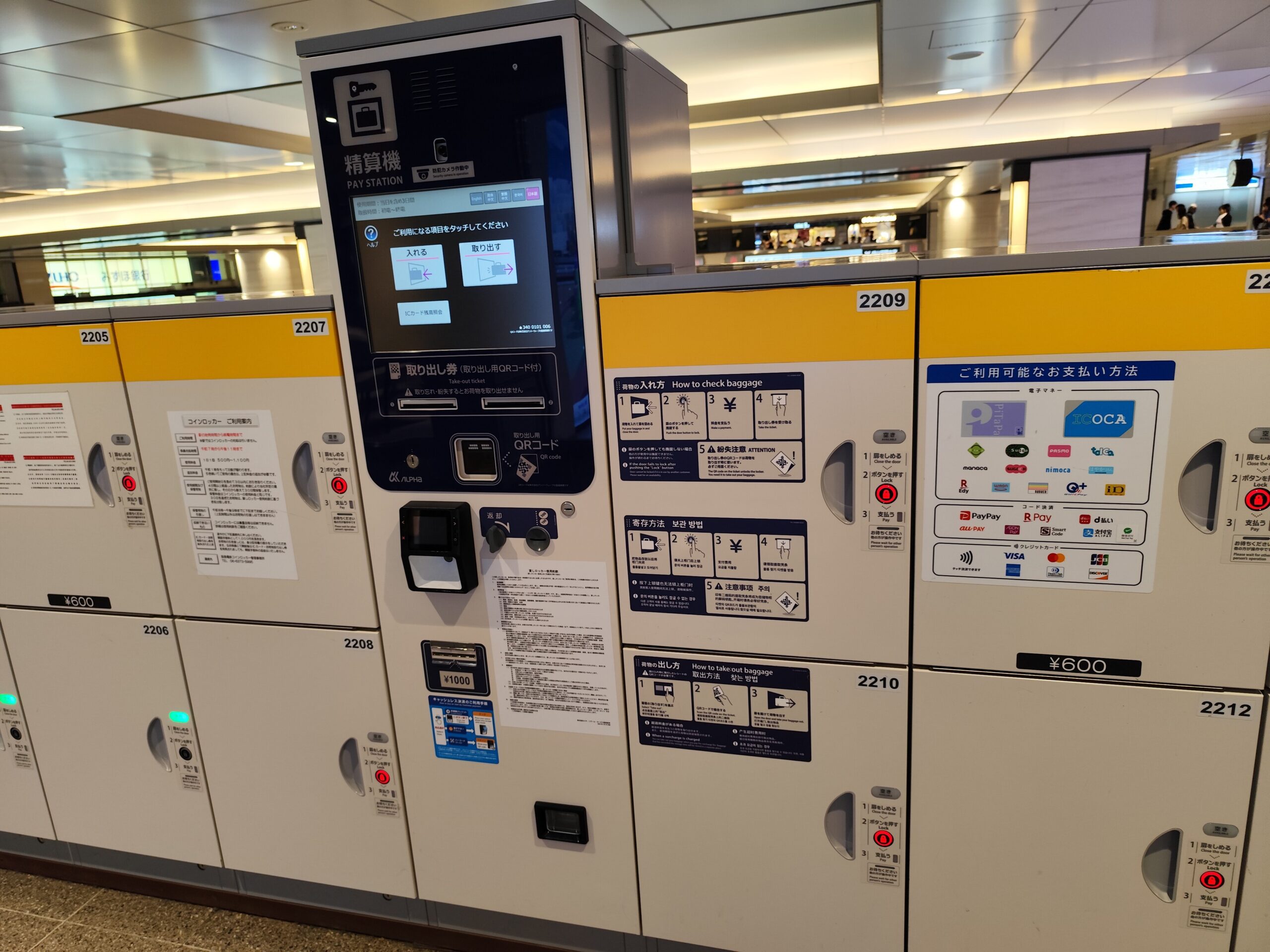
Electronic lockers may accept cash, a supported transport IC card, a QR code or another token. Follow the language option and on-screen instructions. When an IC card becomes the key, use that same physical card or supported device to retrieve the bag; a different card with the same balance will not substitute.
Do not store the unlocking card or phone inside the locker. Save the receipt, locker number and any retrieval code away from the bag. If a code is displayed, protect it like a key because anyone who has it may be able to open the locker.
- Check the accepted payment and unlocking method first.
- Keep the card, phone, receipt or code outside the locker.
- Use the same card or device for retrieval.
Finish storage only after checking the lock
After payment, push or pull the door once to confirm it is secure and check that no strap is trapped. Review the screen or indicator light for a completed transaction. A door that merely clicks shut may not be paid or locked.
Most lockers are one-use storage: opening the door ends the paid session. If you reopen it to add an item, payment may be required again. Pack everything first, then lock once. Keep medicine, travel documents, valuables and anything needed before pickup with you.
- Confirm the locked status before leaving.
- Assume reopening ends the paid session.
- Pack completely before making the payment.
Retrieve the bag before the facility becomes inaccessible
A station locker can be unreachable after the station, ticketed area, underground passage or shopping building closes even when the locker itself appears automated. Set pickup time from the access hours, last practical train and onward reservation, not only the locker deadline.
At retrieval, use the key, original IC card or saved code and pay any added charge shown. Open the door, remove every item and check the floor and corners. If the locker will not open, use the operator contact on the machine rather than forcing it.
- Check building and gate access hours.
- Return before the last practical connection.
- Use the listed operator contact for a failed opening.
Keep prohibited and high-risk items out
Do not store cash, passports, irreplaceable documents, fragile valuables, dangerous goods, leaking items or anything prohibited by the posted terms. Food that spoils, creates odor or needs temperature control is also unsuitable. The locker is temporary convenience, not insured secure storage for every item.
Keep medication required during the day and any item needed to board transport with you. If the bag contains a laptop, camera or other valuable equipment, use a staffed service with explicit terms or carry it. Operator liability can be limited even when a locker is functioning normally.
- Carry passports, cash and essential medicine.
- Do not store dangerous, leaking or perishable items.
- Read liability terms before leaving valuables.
Use staffed storage when lockers are full or unsuitable
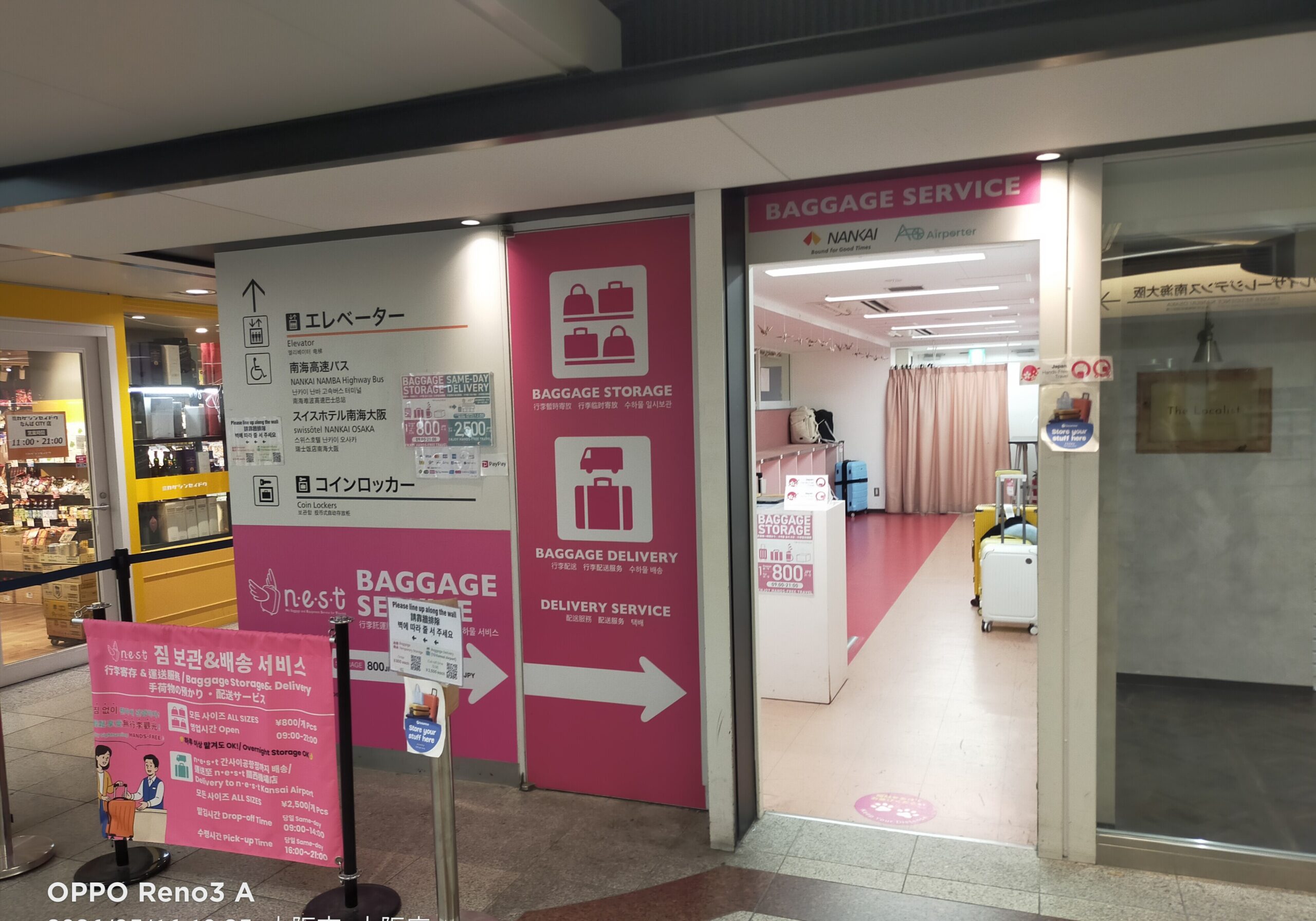
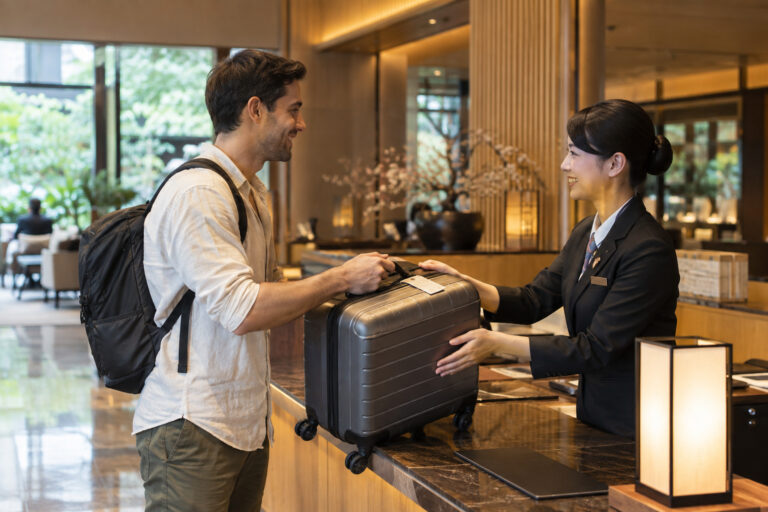
Major stations and airports may offer staffed baggage storage, delivery counters or bookable storage at nearby businesses. These alternatives can accept larger bags and provide a human contact, but they have their own opening hours, identification, same-day pickup and size rules.
Compare the total cost and pickup risk rather than searching endlessly for an empty large locker. For travel between hotels, luggage delivery may remove the need to return to the same station. Confirm the destination, delivery date and hotel acceptance before sending a bag.
- Use staffed storage for oversized or high-risk timing.
- Confirm closing time and same-day pickup rules.
- Consider luggage delivery when the route does not return.
Follow a final locker checklist
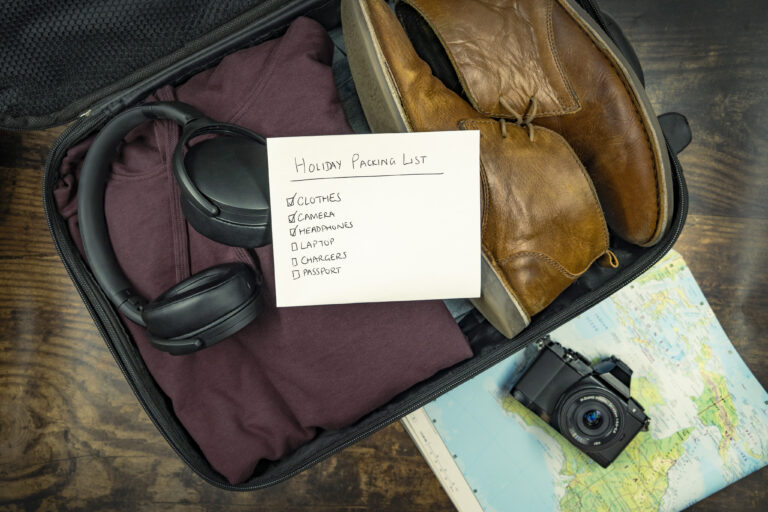
Before paying, verify the station, gate side, access hours, price boundary, maximum period and bag fit. Remove passports, valuables, essential medicine and the unlocking card or phone. Place all items inside, pay once and test the lock.
Before walking away, save photographs of the locker bank, number, receipt and landmark and set a pickup reminder. At retrieval, allow time for station navigation and an operator call if needed. Leave only after checking that the locker is empty and the transaction is closed.
- Verify location, access time, price and fit.
- Keep the unlocking method and essentials outside.
- Save the number and set a pickup reminder.
FAQ
How much do coin lockers in Japan cost?
Prices vary by operator, location and size. Read the amount, daily cutoff and added-charge rule on the exact locker before paying rather than relying on a citywide estimate.
Can I pay for a locker with an IC card?
Some electronic lockers accept supported transport IC cards. If the card also becomes the key, the same physical card or device is required for retrieval.
How long can luggage stay in a coin locker?
The maximum period varies and is posted on the locker. Additional charges may apply at each operator-defined day boundary, and overdue bags can be moved to staffed storage.
What happens if I lose the locker key?
Contact the operator listed at the locker. Staff may require identification, a description of the contents and a lost-key fee before opening it.
Can I open a locker and put the bag back?
Usually opening ends that paid use, so locking it again can require a new payment. Pack everything before closing the door.
Are coin lockers available inside ticket gates?
Some are inside and others are outside. Record the gate side and make sure you can legally and practically return without an unexpected fare or closed gate.
What if all large lockers are full?
Try another locker bank or use a staffed baggage counter, reservable storage or luggage delivery. Check closing time and pickup conditions before handing over the bag.
What should never go in a coin locker?
Keep passports, cash, essential medicine, travel documents, irreplaceable valuables, dangerous items and prohibited or perishable goods with you.
Related Japan Travel Guides

Official References
Final Thoughts
A coin locker saves time only when pickup is designed before storage. Choose the correct side of the station, record the location precisely, protect the unlocking method and return before access closes. If the bag is too large, the timing is uncertain or the contents are valuable, a staffed counter or luggage delivery is the more dependable choice.