Tipping in Japan: When to Pay and When Not To
Understand Japan’s no-tip norm, how it works in restaurants, taxis, hotels and tours, and what to do when a service charge or gratuity option appears.
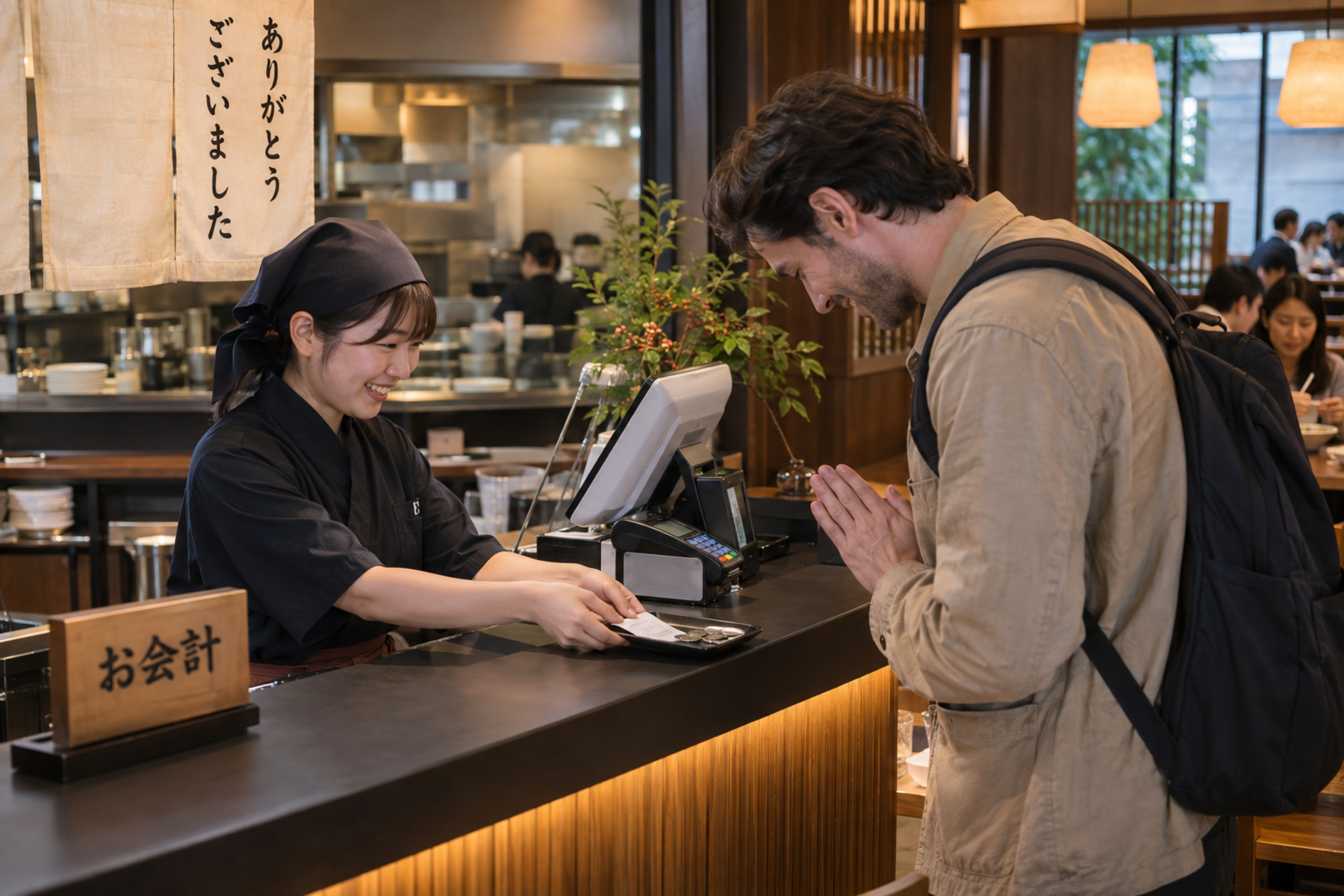
Tipping is not expected for ordinary service in Japan. Pay the amount shown at restaurants, taxis, hotels, salons and shops, take your change, and thank the staff. A private guide or interpreter who regularly works with international visitors may accept a gratuity, but it is still optional—check the operator’s policy first and offer it discreetly.
What You’ll Learn
- Where travelers should pay the exact bill without adding a tip
- How service charges, table charges and otoshi differ from tipping
- Why leaving cash behind can create confusion
- When a private guide may accept an optional gratuity
- Natural ways to show appreciation without money
The Default Rule Is No Tip
In ordinary travel situations, the price or fare is the amount you pay. Service is not normally followed by a percentage calculation, a cash tip on the table or a gratuity handed to staff. This applies even when the service feels unusually attentive by the standards of another country.
Trying to force a tip can make a simple payment awkward. Staff may believe you forgot your change, misunderstand the extra money or be unable to accept it under workplace rules. The safest default is to complete the normal payment and say arigatou gozaimasu—thank you.
- Pay the displayed total or metered fare.
- Wait for your change unless staff clearly explain otherwise.
- Do not calculate a percentage after routine service.
- Use a polite thank-you as the normal response.
Restaurants, Cafes and Bars
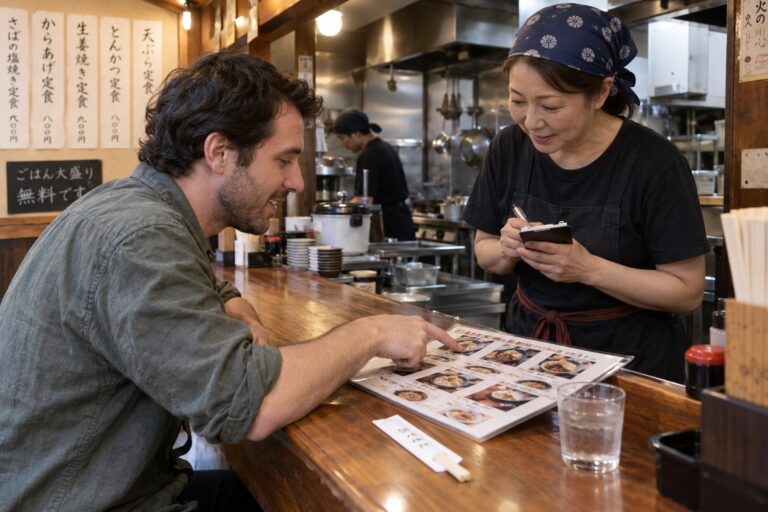
Do not leave money on the table at a standard restaurant, cafe, ramen shop, sushi shop or bar. Follow the venue’s payment flow: take the bill slip to the register, pay at a machine, scan the table code or settle at the counter. The receipt total is normally the amount due.
If the card terminal imported from another market displays a gratuity screen, do not assume a tip is locally required. Read the options, choose no tip when appropriate, or ask staff whether the business has a stated policy. Never feel pressured to add money simply because software presents a button.
- Take the bill slip to the register when the restaurant uses counter payment.
- At ticket-machine restaurants, payment happens before the meal.
- Do not leave coins or notes under the receipt as a tip.
Service Charges, Table Charges and Otoshi
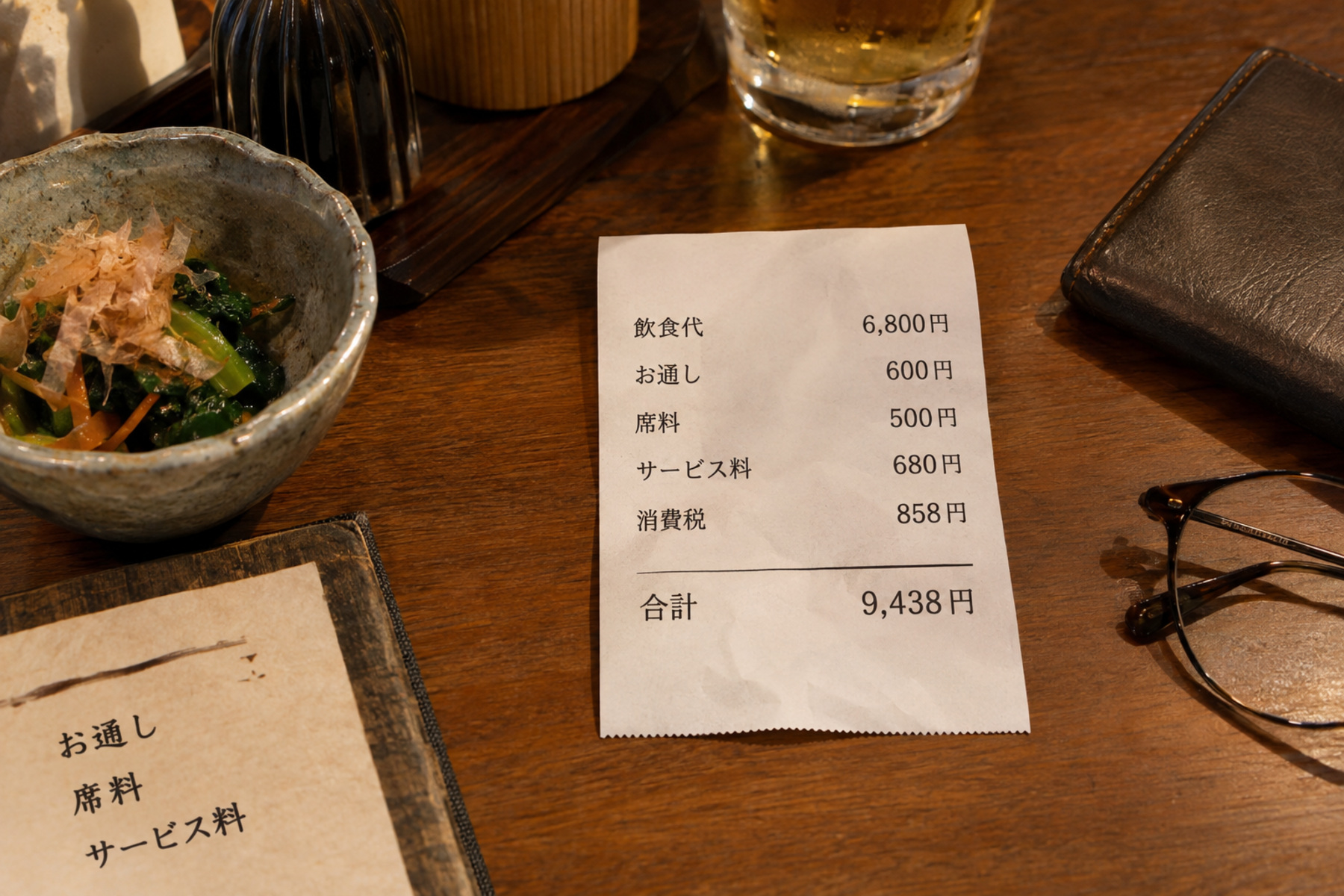
A service charge shown by a hotel, restaurant or bar is part of the stated bill; it is not a request for an additional voluntary tip. Likewise, some venues apply a table, seat or cover charge. Check the menu, booking conditions and final receipt instead of assuming every extra line is a gratuity.
At some izakaya, a small appetizer called otoshi is served after you sit down and a corresponding charge may appear on the bill. Practices vary by venue. If you do not understand a charge, ask kore wa nan no ryokin desu ka—what is this charge?—before paying.
- サービス料: service charge
- 席料: seat charge
- テーブルチャージ: table charge
- お通し: a small appetizer associated with the venue’s seating system
Taxis and Ride Apps
For a street-hailed taxi, pay the metered fare plus any clearly shown tolls or booking fees. For an app-arranged ride, pay the app total. Drivers are not normally waiting for a percentage tip, and cash-paying passengers should allow the driver to return change.
Some international apps may offer an optional gratuity function. Its presence does not change the broader local custom. Follow the app’s wording and your own choice; a direct tip is not required for the ride to be complete. A clear destination, safe boarding and a polite thank-you are more useful than trying to round up.
- Pay the meter or app total.
- Confirm tolls and booking charges separately when shown.
- Do not tell the driver to keep the change unless acceptance is clearly understood.
Hotels and Ryokan
At ordinary hotels, do not tip reception staff, housekeeping or bell staff. Check whether the room rate or restaurant bill already contains a service charge. Leaving loose cash in a room can be ambiguous because staff may not know whether it is a tip, forgotten money or payment for something else.
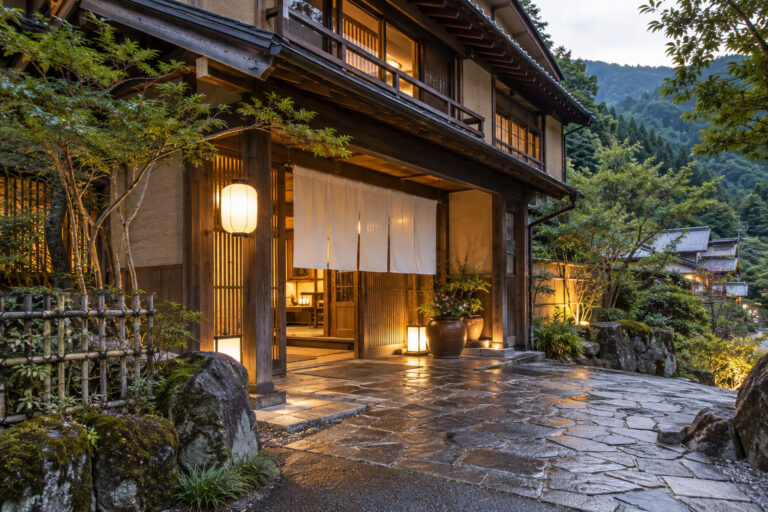
Traditional ryokan service can be personal, but a gratuity is not required for a normal stay. In rare formal situations, a guest may choose a discreet gift of money in an envelope, often before a special request or demanding arrangement. This is a cultural gesture, not a standard fee, and the inn may decline it.
- Do not leave loose cash on the bed or desk.
- Check the booking and bill for an included service charge.
- At a ryokan, assume no tip unless you intentionally choose a formal gesture.
Private Guides and Interpreters
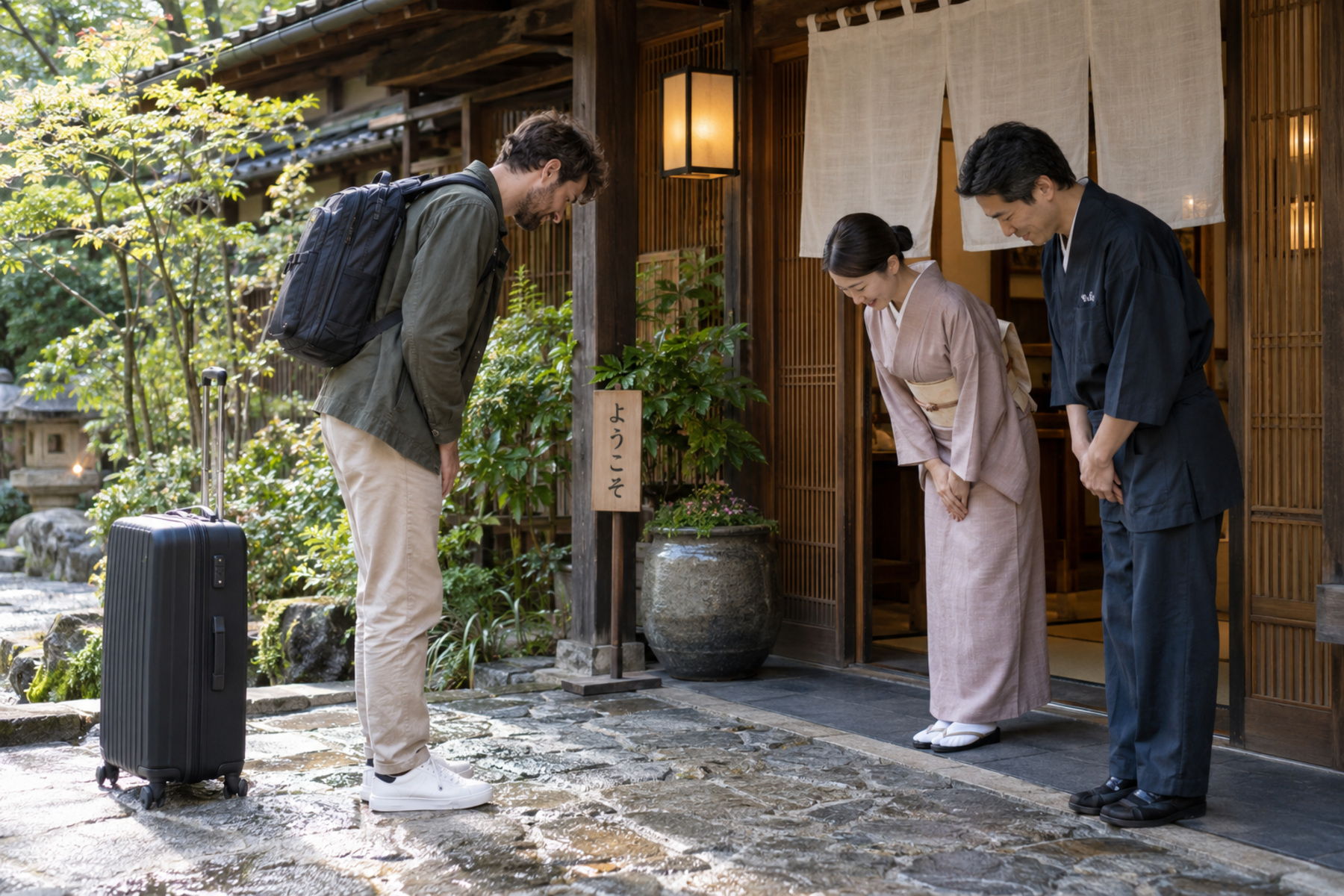
A private guide or interpreter accustomed to international guests is the main situation in which an optional gratuity may be understood. Even then, it is not automatically expected. Check the operator’s website, booking confirmation or message thread before the service begins.
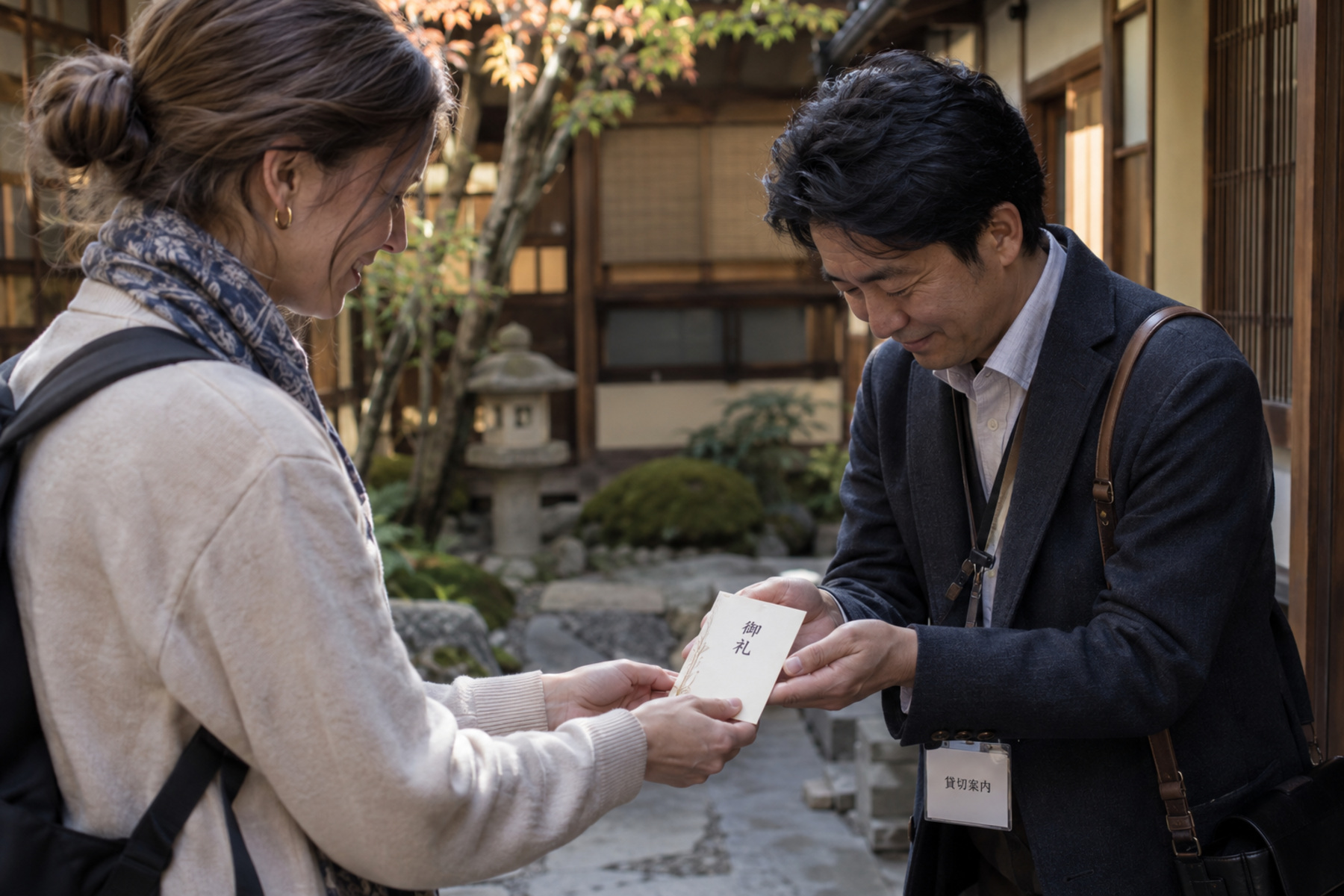
If the policy permits tips and you decide to give one, offer it discreetly at the end rather than adding loose notes to another payment. A simple envelope marked 御礼, meaning thanks, is more culturally legible than crumpled cash. Accept a polite refusal immediately.
- Check the operator’s policy before the activity.
- Treat any gratuity as optional, not a debt.
- Use an envelope and offer it with both hands.
- Do not insist if the recipient declines.
Delivery, Salons, Spas and Other Services
Routine delivery, salon, barber, spa and retail service does not normally require a tip. Pay the price shown, including any platform fee or service charge. If an app includes a gratuity feature, the app should state whether it is optional and who receives it.
Luxury properties and internationally oriented services may follow a house policy that differs from the local default. Written booking terms take priority over assumptions. When the policy is unclear, ask whether the charge is already included rather than guessing an amount.
- Routine in-person service: no tip expected.
- Platform or service fee: pay when shown as part of the order.
- Optional app gratuity: follow the explicit terms, not foreign habit.
Avoid Payment Misunderstandings
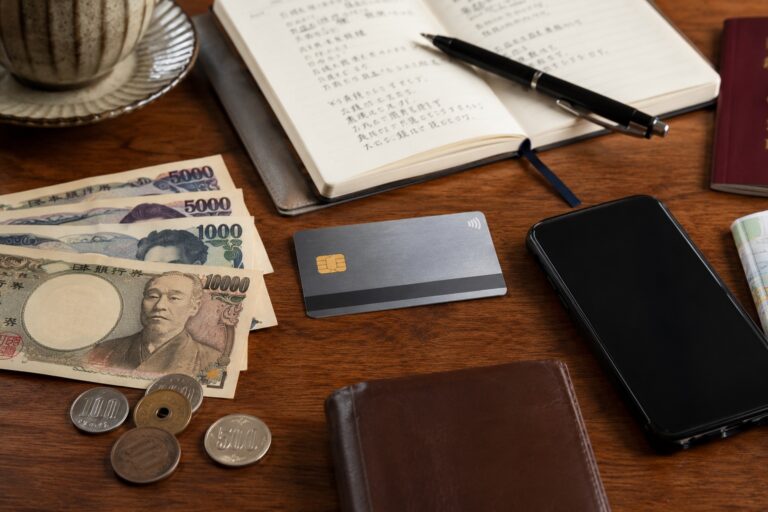
Use the payment tray when one is provided, place cash or a card there, and let staff complete the transaction. Count the returned change without rushing. If you want to pay separately in a group, ask before the cashier starts because some venues require one combined payment.
Do not walk away while change is being prepared. If staff follow you with money, they probably believe it belongs to you. Accept it, thank them and finish the transaction rather than repeatedly refusing.
- Use the tray instead of handing cash across the counter when possible.
- Wait until the receipt and change are returned.
- Ask before splitting the bill.
- Treat returned money as change unless a clear policy says otherwise.
Show Appreciation Without Cash
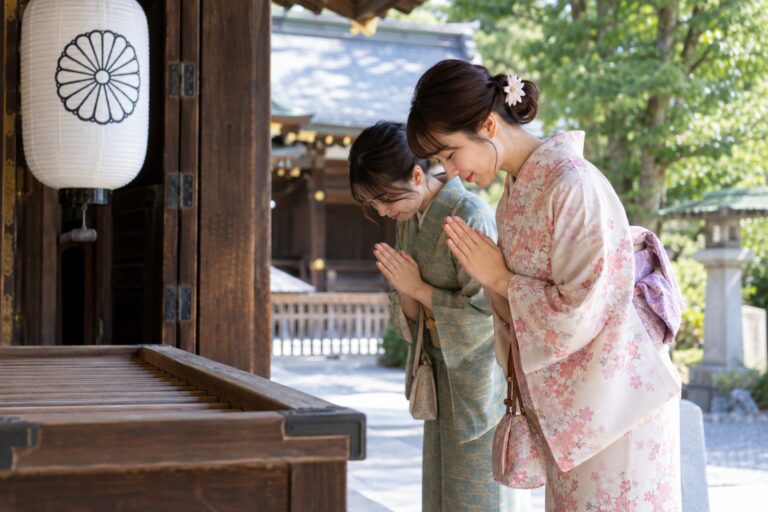
A sincere arigatou gozaimasu, a small bow and calm cooperation are the most natural ways to thank staff. At a restaurant, return trays where instructed, keep shared spaces orderly and leave the table without creating extra work. At a hotel, follow checkout procedures and mention helpful staff by name when giving feedback.
For guides and small businesses, a specific positive review can be more useful than an unexpected tip. Describe what was helpful without exaggerating or revealing private details. A modest packaged souvenir may be accepted in some personal arrangements, but it is never required.
- Say arigatou gozaimasu.
- Follow the venue’s return, payment and checkout process.
- Leave a specific, honest review.
- Send a short thank-you message after a private service.
Use This Decision Check
First ask whether the payment is for an ordinary restaurant, taxi, hotel or shop. If yes, pay the stated total and do not add a tip. Next, check whether a service, seat, table or platform charge is already listed; if it is, treat it as part of the bill rather than an invitation to add more.
Only consider a gratuity when the service is private or internationally oriented and the provider’s policy allows it. If there is no clear policy, ask once. When in doubt, the no-tip default is respectful and complete.
- Ordinary service: pay the exact total.
- Listed charge: pay it as part of the bill.
- Private service: check the provider’s policy.
- Unclear situation: ask once or use the no-tip default.
FAQ
Do I tip at restaurants in Japan?
No. Pay the bill total at the register, table, machine or app and do not leave extra cash behind.
Should I tip a taxi driver in Japan?
No. Pay the metered or app fare plus any clearly shown toll or booking fee, and take your change.
Do hotel staff and housekeepers expect tips?
No. Routine hotel service does not require tipping. Check whether a service charge is already included and avoid leaving ambiguous loose cash in the room.
Is a service charge the same as a tip?
No. A service charge is a stated part of the bill. Pay it when listed, but it does not normally mean you must add another gratuity.
What is the charge for otoshi at an izakaya?
Otoshi is a small appetizer served at some izakaya and can be connected to the venue’s seating or table-charge system. Ask staff if the charge is unclear.
Can I tip a private tour guide?
Possibly, but it remains optional. Check the guide or operator’s policy first; if allowed, offer it discreetly and accept a refusal.
What if a card terminal asks for a tip?
The software prompt does not prove a tip is required. Choose no tip when appropriate or ask staff whether the business has an explicit policy.
How should I thank someone for excellent service?
Say arigatou gozaimasu, bow slightly, follow the venue’s procedures and consider leaving a specific positive review.
Related Japan Travel Guides

Official References
Final Thoughts
Japan’s tipping rule is simpler than many visitors expect: for ordinary service, pay the total shown, collect your change and offer a sincere thank-you. Check written terms only for private or internationally oriented services. That approach respects local practice while leaving room for the limited situations in which an optional gratuity is understood.