
Senior Travel in Japan: Comfortable Transport, Hotels and Pacing
A practical senior travel guide to Japan covering comfortable itineraries, hotels, trains, luggage, walking, meals, mobile data, medication, medical help and weather.
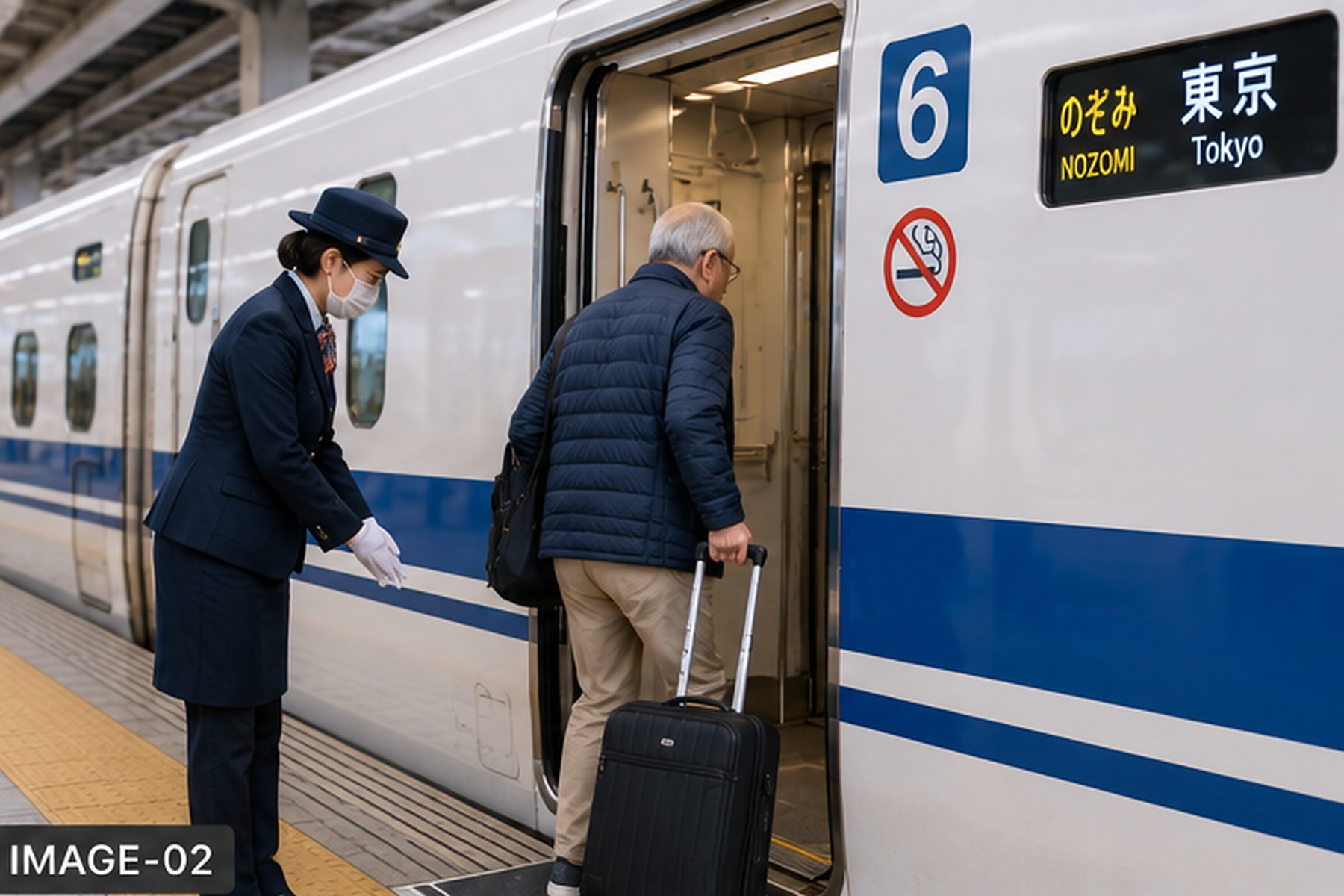
Japan can be an excellent destination for older travelers when the trip is built around comfort rather than speed. Use fewer hotel bases, stay near stations with elevators, reserve seats for important long-distance journeys, forward heavy luggage when useful, arrange reliable mobile data, and leave enough time for rest and meals. Travelers who use regular medication should check Japan’s import rules before departure and keep medical and emergency information accessible.
What You’ll Learn
- How to build a Japan itinerary that reduces unnecessary walking and hotel changes
- How to use trains, reserved seats, elevators and luggage services more comfortably
- What to confirm about hotels, medication, medical care and emergency support
- How weather, meals, mobile data and daily pacing can make the trip easier
Build the Trip Around Comfort, Not Maximum Coverage
Japan rewards slow, focused travel. A first itinerary does not need a new city every day, and reducing hotel changes often saves more energy than cutting a few minutes from a train journey.
Choose two or three strong bases for a longer trip and group sightseeing by area. That leaves room for a late start, a long lunch, bad weather or simply deciding that one neighborhood deserves more time.
- Count hotel changes as travel days, not free sightseeing time.
- Group attractions by neighborhood to reduce repeated cross-city transfers.
- Leave one flexible block for rest, weather or an unplanned stop.
- Choose one major objective per half-day instead of stacking timed reservations.
Choose Hotels by Station Access and Room Practicality
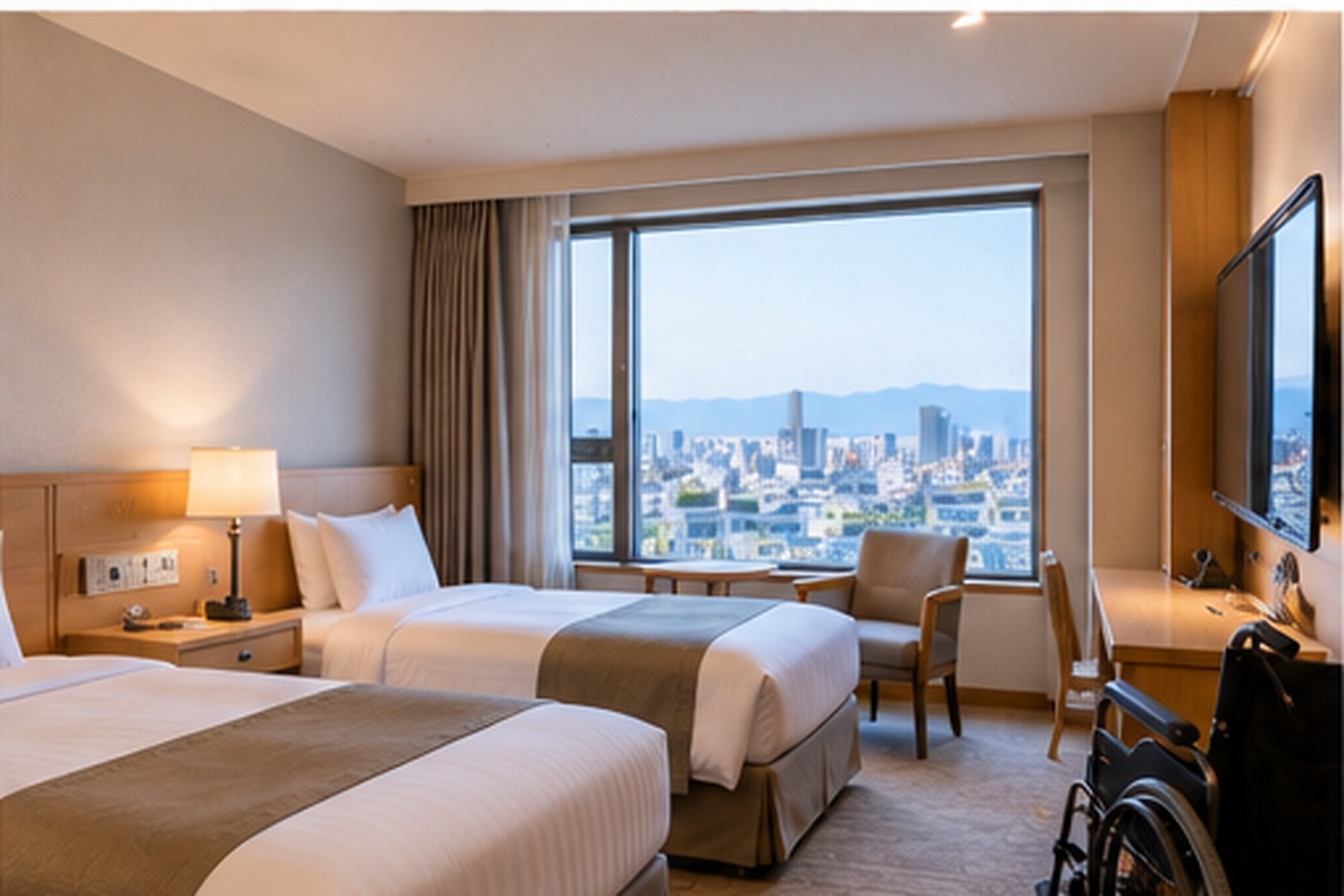
A hotel that is slightly more expensive but close to the right station can improve every day of the trip. Check the actual walking route, station exit, elevator access, room size, bed height, bathroom layout and luggage storage before booking.
Large Japanese stations can have many exits, and the closest exit on a map may not be the easiest one to use. If stairs, steep slopes or long underground walks are a concern, confirm the step-free route with the hotel and railway operator.
- Prioritize a useful station over a famous neighborhood name.
- Check room and bed dimensions rather than relying on labels such as standard or deluxe.
- Confirm elevator access between street level, lobby and room.
- Ask the hotel about luggage storage before check-in and after checkout.
Use Trains, but Remove the Hardest Transfers
Japan’s rail network is extensive, but a technically short transfer can still involve long corridors, several levels and crowded platforms. Tokyo Metro publishes station accessibility information showing elevators, one-route step-free access and accessible toilets, which is useful when mobility or stamina is a concern.
Use trains for the journeys they handle well, then consider a taxi for one difficult final segment if it removes an exhausting transfer. The best route is not always the route with the lowest fare or the fewest minutes.
- Check the station exit as well as the line and platform.
- Allow extra time at Tokyo, Shinjuku, Shibuya, Kyoto and other large hubs.
- Avoid the busiest commuter periods when your schedule allows.
- Use priority seating appropriately when you need it.
Reserve Seats for Important Long-Distance Journeys
Reserved seating can make a long rail day much easier because you know where you will sit and do not need to search for seats while carrying luggage. This matters most on shinkansen, limited express trains and busy travel days.
Make the reservation after the route is stable. If a traveler needs mobility assistance, extra boarding time or a specific accessible space, contact the railway operator in advance rather than assuming a standard ticket solves every requirement.
- Reserve when a seat is important to comfort or timing.
- Keep the ticket or reservation details easy to reach.
- Allow a generous transfer buffer before the next reserved service.
- Ask railway staff for assistance when boarding or navigating the station is difficult.
Let Luggage Travel Separately When It Helps
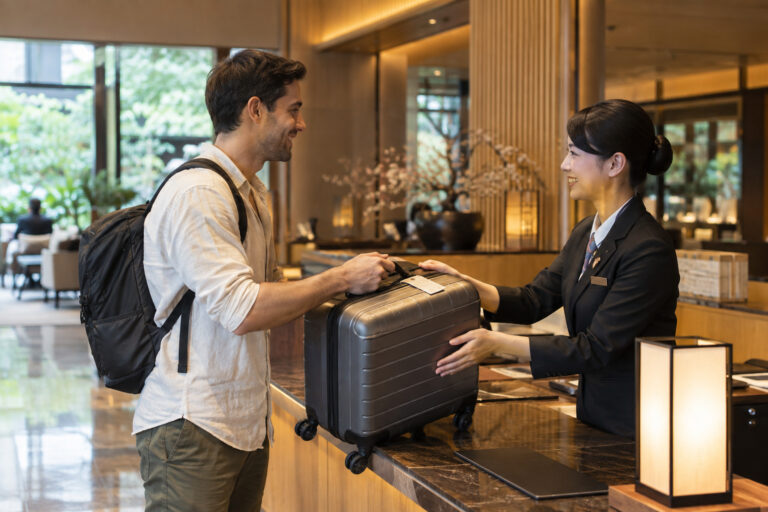
Heavy suitcases are one of the easiest sources of avoidable strain. JNTO promotes hands-free travel using luggage delivery and storage services, and many major hotels can help arrange forwarding to another hotel or airport.
Use forwarding for transfers where stairs, crowds or a long walk would make the bag the hardest part of the day. Keep passports, medication, valuables and the essentials for the next day with you in case delivery timing changes.
- Send large luggage ahead between major hotel bases when practical.
- Use coin lockers for shorter sightseeing stops.
- Keep one small overnight bag when the suitcase is traveling separately.
- Confirm delivery timing before sending anything you need the same evening.
Plan Walking Distance More Carefully Than Train Time
A Japan itinerary can include substantial walking even when nearly every major move is by train. Station corridors, temple approaches, shopping streets, gardens and hotel access all add distance that a route planner may not make obvious.
Look at the shape of the day rather than only the total distance. A morning with stairs and slopes may be better followed by a seated museum, cafe or short taxi ride than another large outdoor complex.
- Wear tested walking shoes rather than new shoes bought for the trip.
- Schedule seated breaks before fatigue becomes a problem.
- Use elevators even when the escalator looks faster if balance is a concern.
- Keep one low-walking alternative for a difficult weather day.
Use Accessibility Information Even If You Do Not Use a Wheelchair
Barrier-free information is useful for anyone who prefers elevators, fewer stairs, accessible toilets or easier station routes. JNTO’s accessible-tourism resources cover older travelers as well as people with disabilities and other travelers who may need assistance.
If a traveler uses a cane, walker, wheelchair or mobility scooter, research the exact route and facility rather than the city in general. Older buildings, historic sites and smaller stations can differ significantly from large modern transport hubs.
- Check step-free routes before visiting a complex station or historic site.
- Confirm accessible toilets when a long outing depends on them.
- Contact the hotel or attraction when a specific doorway, slope or bathroom feature matters.
- Leave time for staff assistance rather than building tight connections.
Make Meals and Rest Part of the Schedule
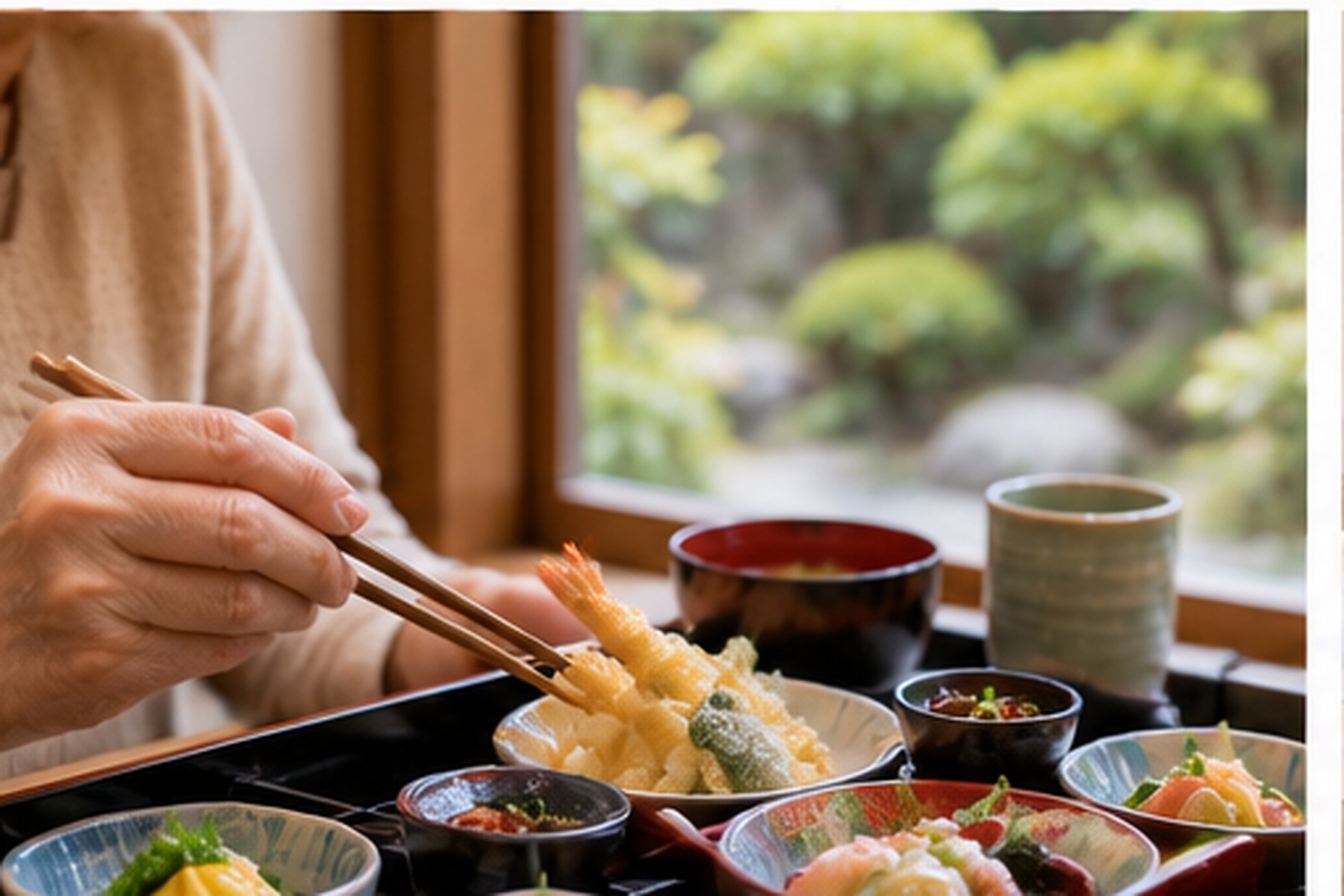
Meal planning does not need to be complicated. Convenience stores, department-store food halls, casual restaurants and cafes make it easy to build a lighter day around food without committing to long queues.
Choose a few destination meals that genuinely matter, then keep the rest flexible. A simple lunch near the current sightseeing area is often a better decision than crossing the city because a restaurant became popular online.
- Keep one easy food option near the hotel.
- Avoid making every meal a reservation or queue.
- Carry water and a small snack on long sightseeing days.
- Use lunch or coffee breaks as deliberate recovery time.
Take Heat, Cold and Rain Seriously
Japan’s seasons can change the physical difficulty of a trip. Summer heat and humidity can make long outdoor days harder, while winter cold, rain and snow can turn steps and long walks into a bigger challenge than expected.
Check the forecast each morning, move outdoor sightseeing earlier when heat is a concern, and use indoor attractions or cafes during the hardest part of the day. In cold or wet conditions, reduce unnecessary walking rather than trying to preserve the original schedule at all costs.
- Carry water and take indoor breaks in hot weather.
- Use light layers so temperature changes between trains and outdoors are easier to manage.
- Keep a compact rain plan rather than depending on one outdoor itinerary.
- Adjust the route when weather warnings or transport disruptions appear.
Check Medication Rules Before Departure
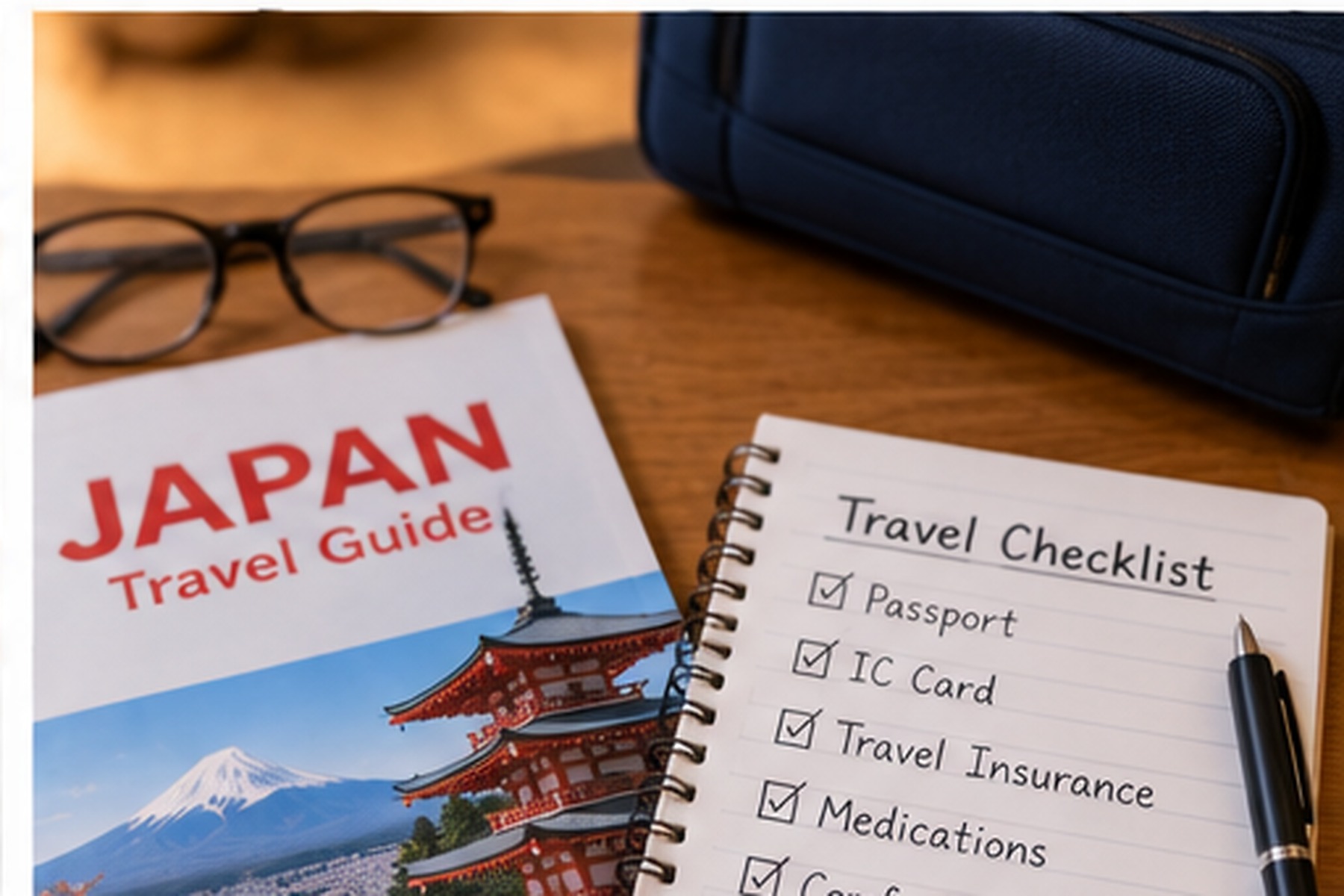
Japan regulates the personal import of medicines. The Ministry of Health, Labour and Welfare explains that requirements depend on the medicine, active ingredient and quantity, and that some controlled substances require advance permission or may be prohibited.
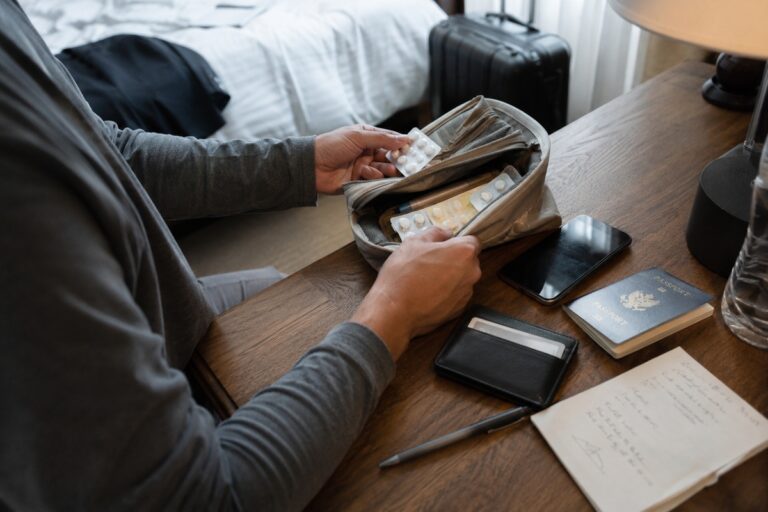
Do not rely only on the brand name because the same brand can contain different ingredients in different countries. Keep medicines in their original packaging when practical and carry documentation that explains what you take and why if your treatment is important or complex.
- Check the active ingredient and quantity before you fly.
- Apply for any required permission before departure.
- Carry essential medication in hand luggage within airline security rules.
- Keep a current medication list that can be shown to a doctor or pharmacist.
Know How to Find Medical Help
JNTO provides information for visitors who become ill or injured, including the Japan Visitor Hotline and guidance for finding medical institutions. In an emergency, call 119 for fire or ambulance and 110 for urgent police assistance.
Save insurance details, emergency contacts, medication information and the hotel address somewhere that remains available if the phone is lost or the battery dies. If a traveler has an existing condition, know in advance what information would be useful to a medical professional.
- Save the Japan Visitor Hotline before the trip.
- Keep insurance and emergency contacts available offline.
- Carry a medication list and relevant medical information.
- Do not wait for a minor problem to become urgent before asking the hotel or a medical provider for help.
Keep Money and Mobile Data Redundant
A comfortable trip should not depend on one card, one phone or one network connection. Carry some yen, use a primary card, keep a backup payment method separately and arrange reliable mobile data before the first complicated transfer.
An eSIM is simple for compatible unlocked phones, while pocket WiFi can suit travelers who want to connect several devices or prefer a separate internet device. Whichever option you choose, save the hotel address and important tickets offline.
- Carry cash even if most purchases are cashless.
- Keep the backup card separate from the main wallet.
- Set up mobile data before you need maps at the airport or station.
- Carry a power bank if the phone is your map, translator and ticket wallet.
Keep Arrival Day Deliberately Light
International arrival already includes immigration, baggage, airport transport, an unfamiliar station and hotel check-in. A tightly booked first afternoon creates unnecessary pressure if the flight or train runs late.
Use arrival day to reach the hotel, set up cash and connectivity, eat nearby and learn the immediate area. Save the important timed attraction for a day when you control the schedule.
- Avoid non-refundable timed tickets soon after landing.
- Choose the simplest airport transfer rather than the most complicated cheap option.
- Store luggage before sightseeing if the room is not ready.
- Review the next morning only after you have settled in.
A Comfortable Daily Rhythm Works Better Than a Perfect Itinerary
The strongest senior itinerary is not defined by age; it is defined by how well it matches the traveler’s stamina, interests and mobility. Some older travelers comfortably walk all day, while others benefit from shorter blocks, taxis or more seated activities.
Plan around the actual traveler, not a stereotype. A good daily rhythm might be one major morning activity, a proper lunch, a lighter afternoon and an easy evening near the hotel.
- Start earlier or later according to the traveler’s normal energy pattern.
- Alternate walking-heavy and seated activities.
- Keep evenings flexible after long transport days.
- Use convenience and comfort as valid reasons to change the plan.
FAQ
Is Japan good for senior travelers?
Yes. Japan’s transport, hotels, public facilities and tourism infrastructure can make travel very comfortable, especially when the itinerary uses fewer hotel bases, realistic walking distances and good station access.
How many cities should senior travelers visit in Japan?
There is no age-based rule, but fewer bases usually reduce packing and transfer fatigue. For many travelers, two or three well-chosen bases provide a better experience than changing hotels every night or two.
Are Japanese train stations difficult for older travelers?
Large stations can involve long corridors, multiple levels and crowded transfers. Check the exact exit and elevator route, allow extra time and ask station staff when you need help.
Should senior travelers reserve Shinkansen seats?
Reserved seats are useful when certainty and comfort matter. They are especially helpful on long journeys, busy travel days or when a traveler wants to avoid searching for an available seat with luggage.
Is luggage forwarding useful for older travelers?
It can be extremely useful when a hotel transfer includes crowded trains, stairs or long station walks. Keep medication, valuables and essentials with you while the main suitcase travels separately.
Can I bring prescription medicine to Japan?
Many medicines can be brought for personal use, but the rules depend on the ingredient and quantity, and some controlled substances need advance permission or are prohibited. Check the Ministry of Health, Labour and Welfare guidance before departure.
What emergency numbers should travelers know in Japan?
Call 119 for fire or ambulance and 110 for urgent police assistance. JNTO’s Japan Visitor Hotline also provides multilingual support for visitors during illness, accidents and natural disasters.
Related Japan Travel Guides
Official References
Final Thoughts
Senior travel in Japan works best when comfort is treated as part of the itinerary rather than something added after the route is finished. Choose convenient hotels, reduce unnecessary transfers, reserve important seats, move luggage separately when useful, protect time for meals and rest, and verify medication or mobility requirements before departure. The result is not a slower version of someone else’s trip; it is a better trip built around the traveler who is actually going.