
Japan With Kids: Family Travel Guide for Trains, Hotels and Easy Days
A practical Japan-with-kids guide covering family-friendly pacing, hotels, trains, strollers, luggage, food, nursing rooms, attractions, weather, medical help and easy daily planning.
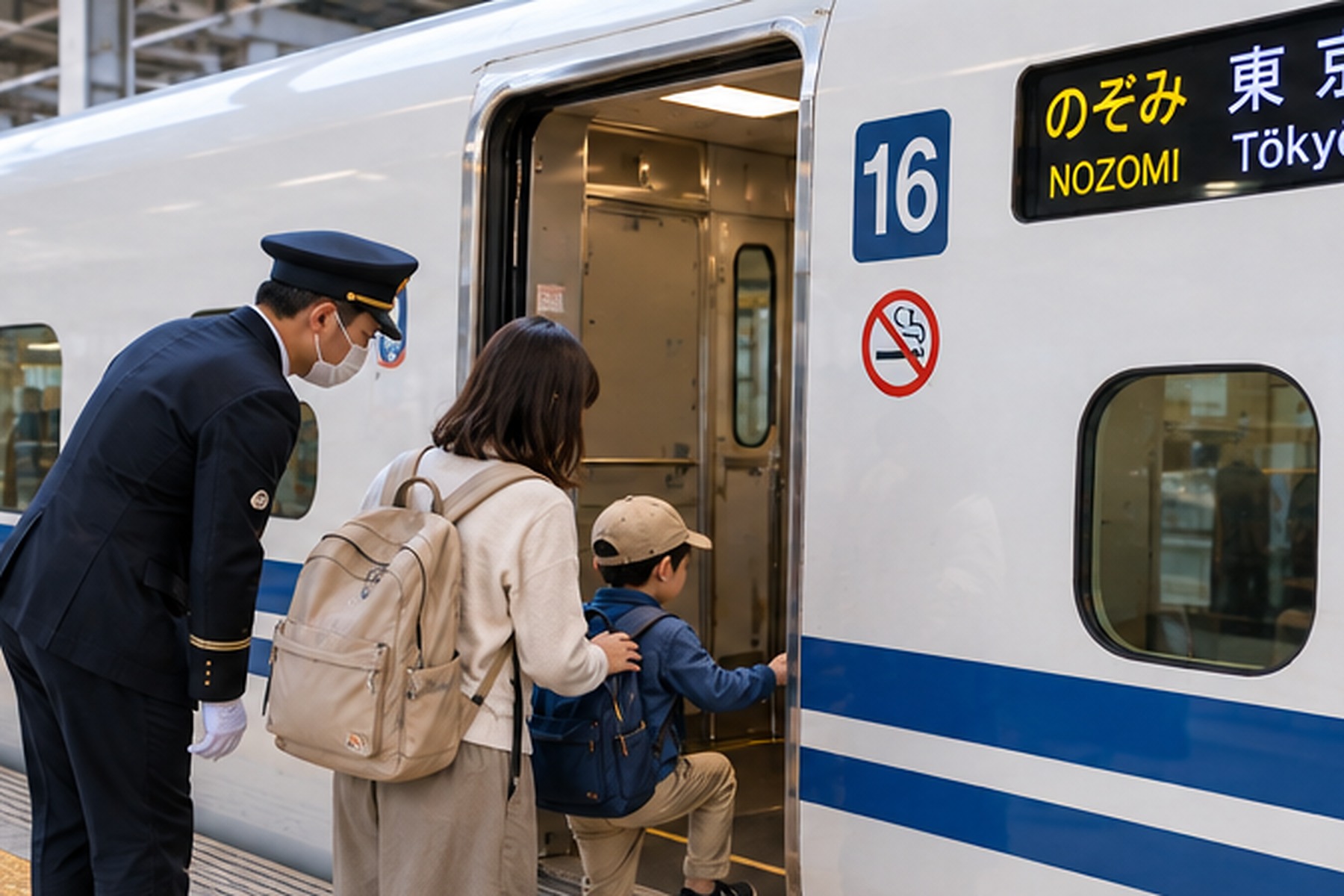
Japan is a strong family destination when the itinerary is built around children rather than copied from an adult-only trip. Stay near useful stations, plan fewer stops each day, keep snacks and water ready, use elevators and stroller-friendly routes, avoid tight transfers, and give children time to rest. Major cities offer nursing rooms, changing facilities, convenience stores, aquariums, museums, parks and theme parks, but older stations and historic areas can still involve stairs, long walks and crowds.
What You’ll Learn
- How to pace a family itinerary without turning every day into a long transfer
- How to use trains, strollers, luggage services and family-friendly hotel locations
- Where meals, nursing rooms, changing facilities and simple backup options fit into the day
- What to prepare for allergies, medicine, weather, medical help and unexpected delays
Plan Fewer Stops Than You Think You Need
Japan is easy to move around, but that does not mean a family should fill every day with attractions from morning to night. Station walking, toilet breaks, snacks, naps, queues and meals all take longer with children.
Group sights by neighborhood and keep one or two main goals for each half-day. If the child is still happy after that, add something nearby instead of making the entire itinerary depend on perfect timing.
- Choose one main area for the morning and one for the afternoon.
- Avoid stacking several timed reservations on the same day.
- Leave room for playgrounds, snacks, toilets and unexpected tiredness.
- Treat dropping a low-priority stop as good planning, not failure.
Choose Hotels for Station Access and Family Space
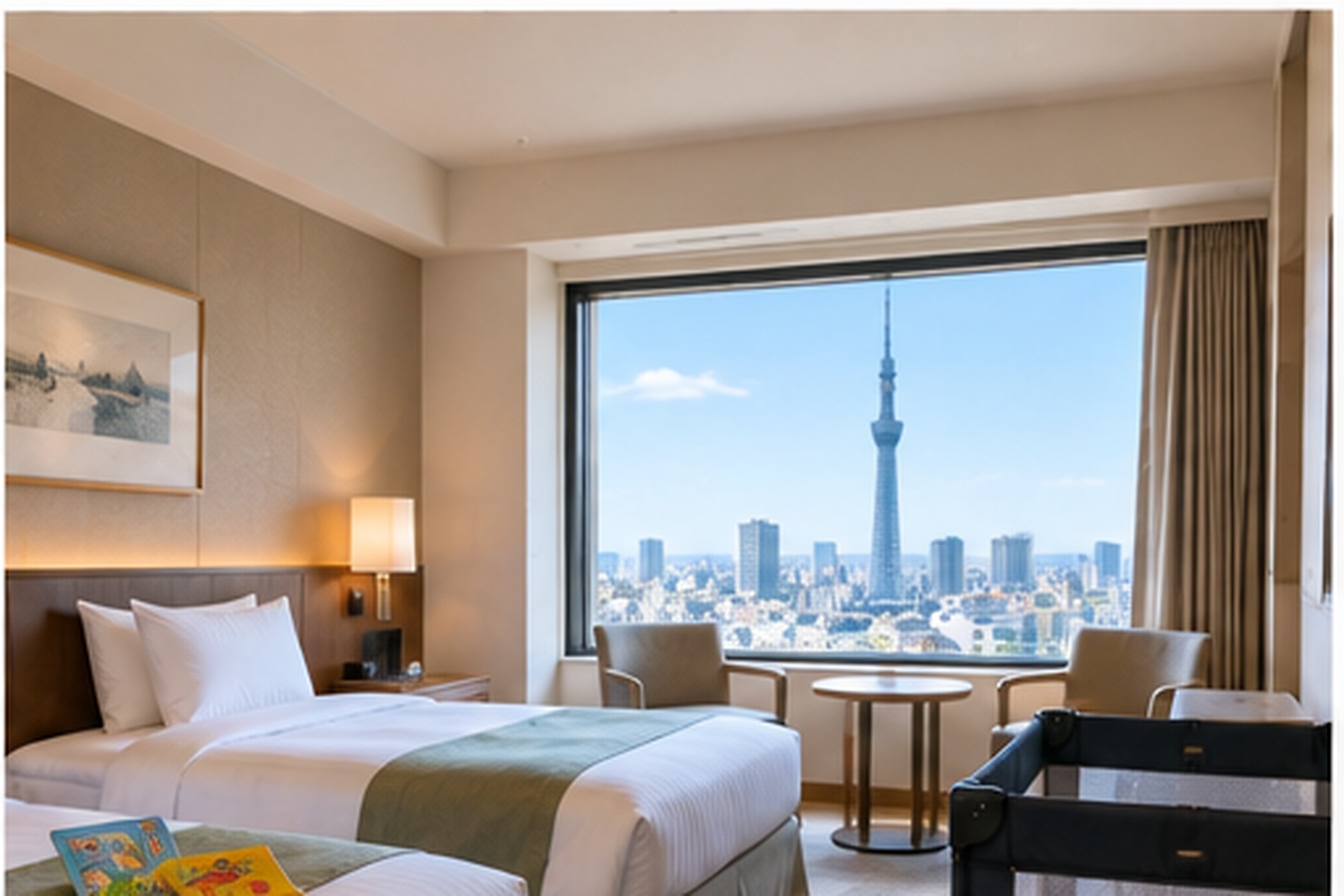
A well-located hotel can save more energy than a slightly cheaper room farther away. Check the real walking route from the station, elevator access, room size, bed arrangement, luggage storage and whether the property can provide the sleeping setup your child needs.
Japanese rooms can be compact, so read dimensions carefully before booking. If you need a cot, bed guard, connecting room or space for a stroller, confirm the exact arrangement with the hotel rather than assuming the booking category includes it.
- Prioritize the station and exit you will actually use.
- Check room size and bed configuration before paying.
- Ask about cots, bed guards or connecting rooms when they matter.
- Keep one convenience store or easy breakfast option near the hotel.
Strollers Work, but Elevators Decide the Easy Route
JNTO notes that major cities have many stroller-friendly areas and that most major stations provide elevators, while some carriages have spaces suitable for strollers and wheelchairs. JR East also states that strollers may be brought onto trains without folding them, with consideration for other passengers.
The catch is that the nearest entrance or exit is not always the easiest one. Use elevator routes even when they add a few minutes, and switch to a baby carrier on days built around stairs, narrow historic streets or places where pushing a stroller will be more work than help.
- Check the elevator route before entering a very large station.
- Avoid rush hour when you can, especially with a stroller and bags.
- Keep the stroller brake on while waiting on platforms.
- Carry a lightweight backup carrier if your child still uses one.
Long-Distance Trains Are Easier With Seats and Simple Transfers
A Shinkansen ride can be one of the easiest family travel days because the train itself is comfortable and predictable. The difficult part is usually the station: finding the platform, managing luggage and keeping children together during boarding.
Reserve seats when sitting together matters, arrive with enough time to use elevators, and avoid connections that assume you can move across a huge station in just a few minutes. Keep snacks, wipes and one small activity bag accessible rather than packed inside the main suitcase.
- Reserve seats when family seating matters to you.
- Keep tickets or mobile reservations ready before reaching the gate.
- Allow a generous transfer buffer at major stations.
- Pack one small train bag with drinks, snacks and quiet activities.
Move the Suitcase Without Moving the Family
Large suitcases, strollers and children are a difficult combination in crowded stations. Japan’s luggage-delivery network can remove the heaviest bag from hotel transfers, while station lockers can help on shorter sightseeing stops.
Keep passports, medicine, valuables and the child’s immediate essentials with you. When forwarding luggage, confirm delivery timing so you are not separated from clothing, formula or bedtime items you need that night.
- Forward the large suitcase between major hotel bases when it simplifies the transfer.
- Use one small family day bag for immediate needs.
- Do not rely on finding a large empty locker at the busiest station.
- Keep one change of clothes for a child outside the forwarded suitcase.
Make Food the Easy Part of the Day
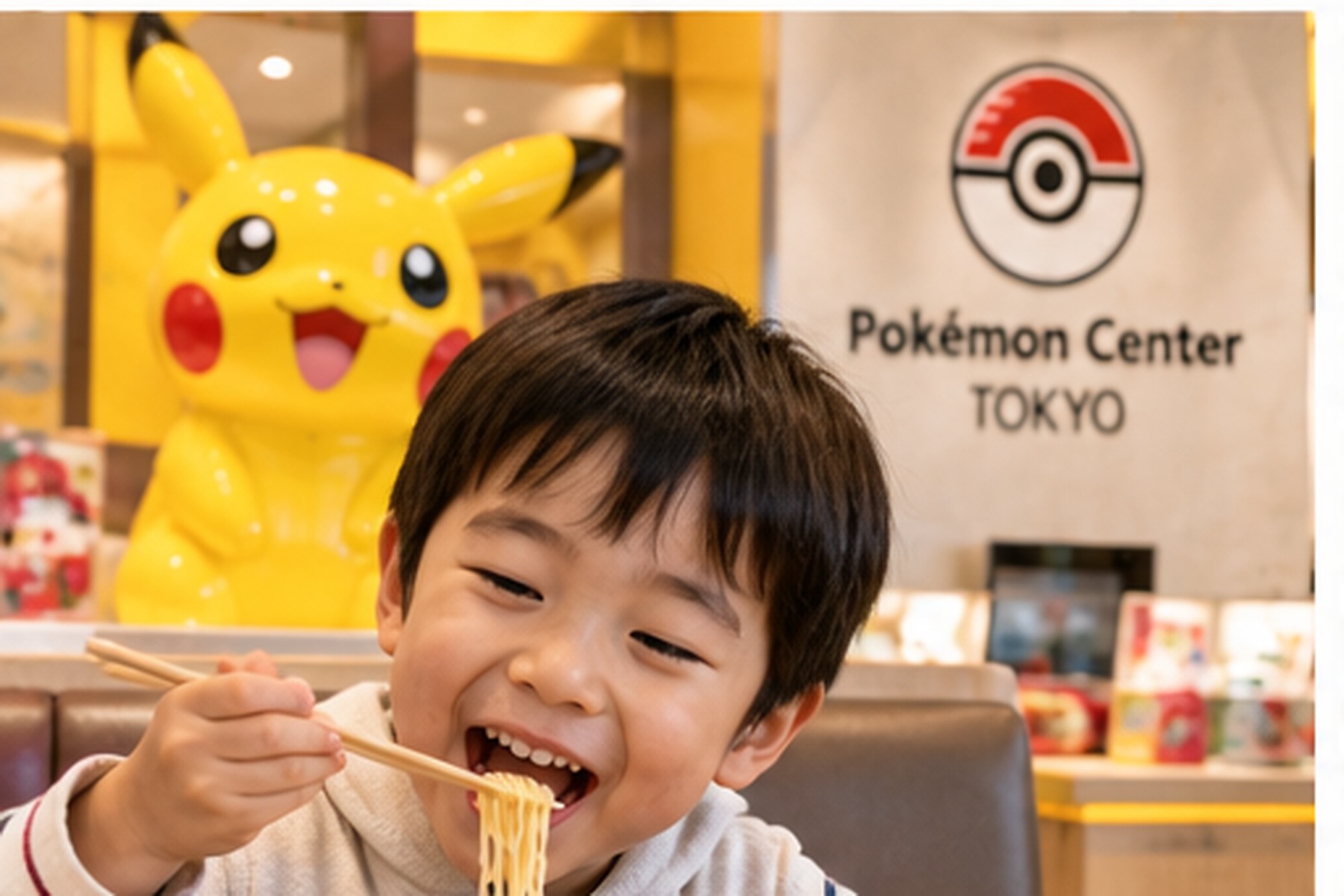
Families do not need a famous restaurant for every meal. Convenience stores, casual chains, department-store food halls and neighborhood restaurants make it easy to feed children quickly when the day is already full.
For toddlers and picky eaters, keep one familiar backup food available rather than waiting until everyone is hungry. If a child has a food allergy, use the Consumer Affairs Agency’s English allergy communication sheet and do not rely only on pictures or automatic translation.
- Carry one simple snack and water during long sightseeing blocks.
- Use convenience stores for an early breakfast or emergency meal.
- Check sauces, stock and shared preparation when allergies matter.
- Leave a long restaurant queue when it starts damaging the rest of the day.
Nursing Rooms and Diaper-Changing Facilities Are Widely Available
JNTO highlights nursing rooms in department stores, stations, malls and other large facilities, often with changing areas and equipment for feeding babies. Large family attractions can provide even more dedicated support.
Tokyo Disney Resort, for example, operates Baby Centers with nursing space, infant-meal preparation facilities and diaper-changing stations. Use large malls, department stores and major attractions as planned reset points during a day with a baby or toddler.
- Mark one large facility with a baby room near each main sightseeing area.
- Carry a small emergency diaper and wipes kit even when facilities are easy to find.
- Use indoor nursing or changing rooms as a rest break for the whole family.
- Check attraction-specific baby services before arrival.
Choose Attractions That Give Children Room to Reset
Theme parks, aquariums, interactive museums, parks and character-focused attractions can make Japan memorable for children, but the best family itinerary mixes high-stimulation places with quieter time.
JNTO specifically highlights aquariums, museums, theme parks and pop-culture experiences as family-friendly options. Build the day around the child’s interests rather than forcing every famous temple or shopping district into the route.
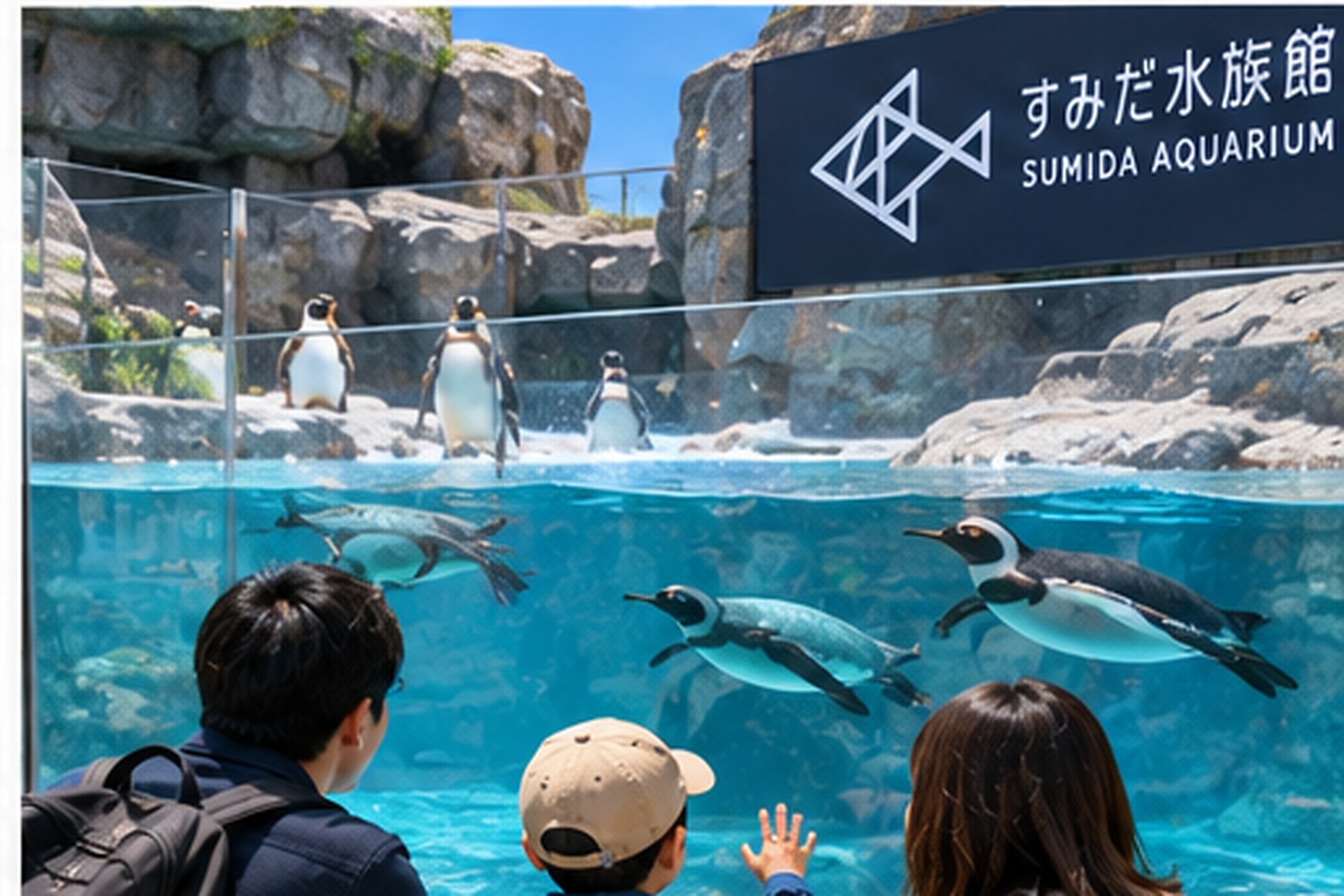
- Use parks and aquariums as lower-pressure alternatives to packed sightseeing streets.
- Choose only the theme park or major attraction that genuinely matters to the family.
- Check height, age and boarding rules on the attraction’s official site.
- Leave time to enjoy simple experiences such as trains, vending machines and convenience-store snacks.
Tokyo Disney Works Better With a Child-Focused Plan
Tokyo Disney Resort publishes dedicated information for families with babies and young children, including Baby Centers, stroller rental information and guidance on attractions and services.
Do not try to copy an adult ride-maximizing schedule. Identify a few priority attractions, learn where the Baby Centers are, and plan meals and rest around the child’s normal rhythm rather than keeping everyone moving until closing time.
- Check attraction requirements before the visit.
- Use Baby Centers when feeding or changing a young child.
- Build in one quiet meal or indoor rest block.
- Keep the must-do list short enough that the day still works after a long queue.
Heat, Rain and Cold Change a Family Day Fast
Children can tire quickly in hot and humid weather, while rain can make a stroller, bags and station stairs harder to manage. Winter can be comfortable for sightseeing but still requires warm layers during long outdoor periods.
Check the forecast each morning and change the plan early rather than after everyone is already uncomfortable. Indoor museums, malls, aquariums and food halls make strong backup choices when the weather is poor.
- Carry water and schedule indoor breaks in hot weather.
- Use sun protection appropriate for the child.
- Keep a compact rain cover or umbrella setup that leaves hands free.
- Move an outdoor attraction instead of forcing the original schedule through bad weather.
Bring Medicine Carefully and Know Where to Get Help
Japan has rules for bringing medicines into the country, including some prescription and controlled medicines. Check the active ingredient and quantity before departure rather than assuming a medicine that is common at home can automatically be brought in.
For urgent medical emergencies call 119. JNTO also operates the Japan Visitor Hotline around the clock for multilingual tourist information and assistance during accidents, illness and natural disasters.
- Keep important medicine in carry-on baggage within airline rules.
- Bring a simple written medication list for each family member when useful.
- Save insurance details and the hotel address offline.
- Know 119 for ambulance and 110 for urgent police assistance.
Reliable Mobile Data Makes Family Travel Much Easier
A connected phone helps with train changes, elevator exits, restaurant searches, translation, weather, attraction updates and finding a nearby toilet or pharmacy. That reduces the number of small decisions parents have to solve under pressure.
An eSIM works well for one compatible unlocked phone, while pocket WiFi can suit a family carrying several devices. Save key hotel addresses and reservations offline so one dead battery or signal problem does not stop the day.
- Set up data before the first complicated airport transfer.
- Carry a power bank if the phone handles maps and tickets.
- Keep one offline copy of the hotel address.
- Use one adult’s phone as the primary navigation device and another as backup when possible.
Keep Arrival Day and Departure Day Simple
International travel is already tiring for children. Immigration, baggage, airport transport and hotel check-in create enough uncertainty without adding a timed attraction immediately after landing.
Use the arrival day to reach the hotel, eat nearby, set up connectivity and learn the immediate neighborhood. On departure day, protect the airport transfer time instead of squeezing in one last distant attraction with all the luggage.
- Avoid non-refundable timed bookings soon after an international arrival.
- Choose the simplest airport transfer for your family and luggage.
- Buy breakfast or snacks near the hotel for the next morning if useful.
- Keep the final day geographically close to the airport route.
A Good Family Day Has a Rhythm
The strongest family itinerary is not defined by how many attractions are completed. It works because the day alternates movement with food, toilets, sitting down and something the child actively enjoys.
A useful rhythm is one major morning activity, a real lunch, a lighter afternoon and an easy evening near the hotel. Families with babies or very young children may need even less, while older children may comfortably handle more.
- Start with the child’s normal energy pattern.
- Alternate high-energy attractions with seated or indoor time.
- Keep dinner flexible after a long transport day.
- Use comfort and mood as valid reasons to change the plan.
FAQ
Is Japan easy to travel with kids?
Yes, especially in major cities where trains, elevators, convenience stores, nursing rooms and family attractions are easy to find. The main challenge is pacing, because station walking, crowds and hotel-room size can add friction.
Can I take a stroller on trains in Japan?
Yes. JR East states that strollers can be brought onto trains without folding them, although families should be considerate of other passengers. Major stations usually have elevators, but the easiest entrance or exit may not be the closest one.
Should families reserve Shinkansen seats?
Reserved seats are useful when sitting together matters or when you want certainty on a long journey. Allow extra station time and keep the family’s small travel bag accessible.
Are convenience stores useful for children?
Yes. They are useful for drinks, breakfast, simple meals and emergency snacks. Families with allergies should still check labels carefully and use official allergy information when needed.
Are there nursing rooms and diaper-changing facilities in Japan?
Yes. JNTO notes that department stores, stations, malls and other major facilities commonly provide nursing and changing facilities, and large attractions may have dedicated baby-care centers.
Is Tokyo Disney good with a baby or toddler?
Tokyo Disney Resort provides Baby Centers, diaper-changing facilities, stroller information and other services for families with young children. Check the official site for current attraction and service details before your visit.
What should I do if my child gets sick in Japan?
For an emergency call 119. JNTO’s Japan Visitor Hotline can also assist international visitors with multilingual travel support during illness, accidents and natural disasters. Keep insurance and medication information accessible.
Related Japan Travel Guides

Official References
Final Thoughts
Japan with kids works best when the family itinerary is designed around real energy, food, sleep and movement rather than the number of places visited. Choose convenient hotels, keep the route simple, use stroller-friendly station paths, move large luggage separately when useful, protect time for meals and rest, and save a few attractions the child is genuinely excited about. That balance usually creates a better family trip than trying to complete an adult sightseeing checklist with children in tow.