
Japan Travel Budget Guide: Daily Costs, Hotels, Food and Trains
A practical Japan travel budget guide with realistic daily spending bands, hotel and food costs, local transport, Shinkansen, rail passes, cash, cards, taxes and ways to cut waste without ruining the trip.
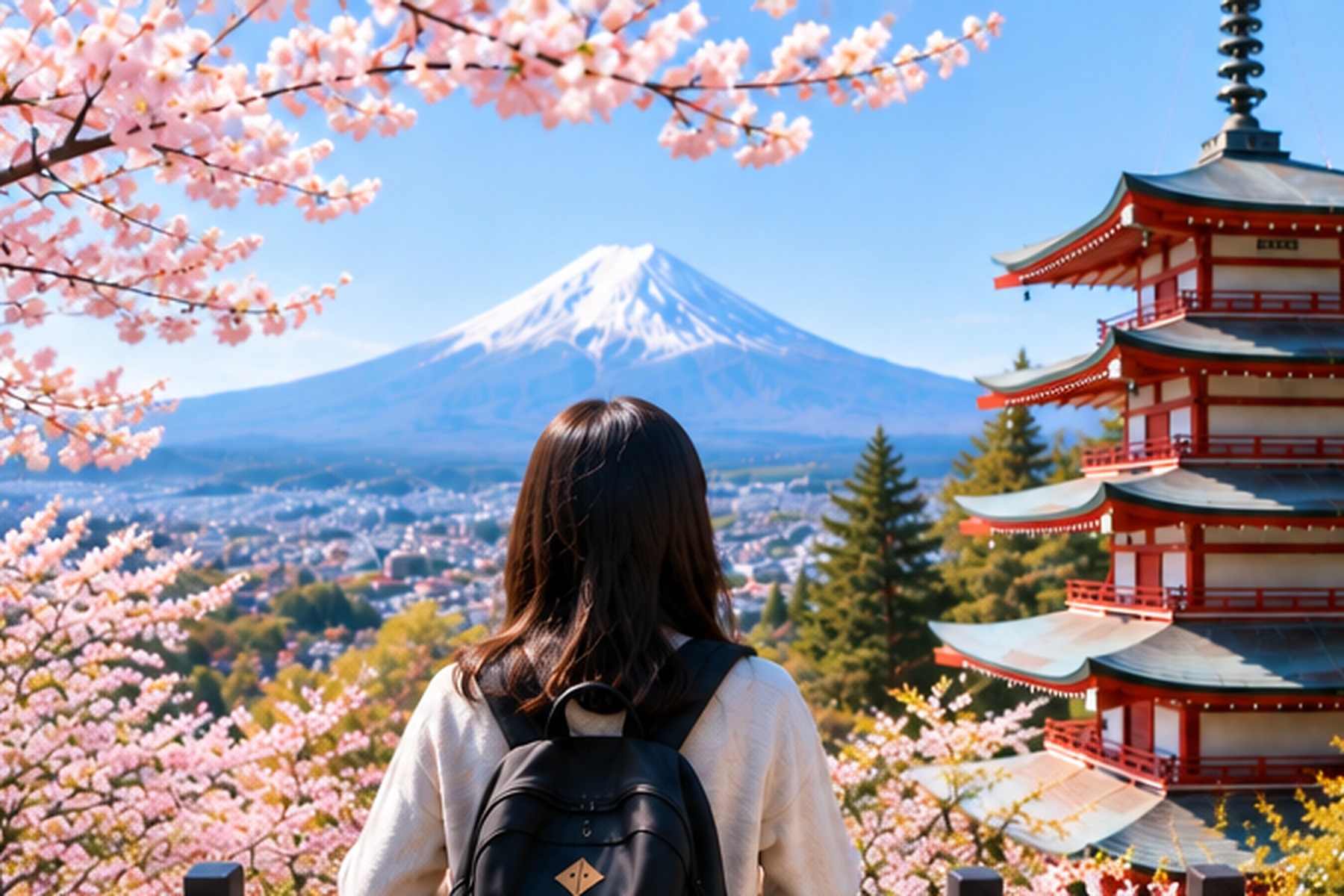
A useful Japan travel budget separates daily spending from big fixed costs. For many independent travelers, a lean plan starts around ¥10,000–15,000 per person per day, a balanced plan around ¥18,000–30,000, and a more comfortable plan around ¥35,000–60,000 or more. These are planning bands, not guaranteed prices, and they exclude international airfare and major long-distance rail unless stated. Hotel location and season usually move the total more than convenience-store snacks or small sightseeing fees.
What You’ll Learn
- How much to budget per day for a lean, balanced or comfortable Japan trip
- Which costs matter most: accommodation, intercity transport, food and paid attractions
- When passes such as the Japan Rail Pass or Tokyo Subway Ticket can save money
- How to avoid hidden costs from hotel taxes, foreign-card fees, rushed bookings and unused prepaid balance
Start by Separating Daily Costs From Big Fixed Costs
The easiest way to underestimate Japan is to mix everything into one daily number. International flights, long-distance trains, theme parks and shopping can be large one-off costs, while hotels, local transport and meals repeat every day.
Build the trip in two layers. First calculate the recurring daily budget for accommodation, food, local transport and ordinary sightseeing. Then add the fixed costs that depend on your route: airport transfer, Shinkansen, rail passes, major attractions and shopping.
- Daily layer: hotel, food, local trains and buses, small attractions and drinks.
- Fixed layer: international flight, intercity rail, airport transfer, theme parks, tours and large shopping purchases.
- Keep a contingency buffer instead of budgeting every yen down to zero.
- Use yen as the planning currency because exchange rates can move before the trip.
Three Realistic Daily Budget Bands
These bands are practical planning ranges for one traveler and are best treated as a starting point. Peak cherry-blossom periods, major holidays, last-minute booking and premium city-center hotels can push accommodation far above them.
Couples sharing one room can often reduce the per-person hotel cost, while solo travelers pay the full room rate. Long-distance rail and international airfare should be added separately.
- Lean: about ¥10,000–15,000 per person per day with a hostel, capsule or low-cost room, inexpensive meals, local transport and mostly free or low-cost sightseeing.
- Balanced: about ¥18,000–30,000 per person per day with a business or mid-range hotel, casual restaurants, local transport and some paid attractions.
- Comfortable: about ¥35,000–60,000 or more per person per day with a better-located hotel, nicer meals, occasional taxis and more paid experiences.
- Luxury travel has no useful ceiling, so budget by the exact hotel and dining choices rather than a generic daily figure.
Accommodation Is Usually the Biggest Variable
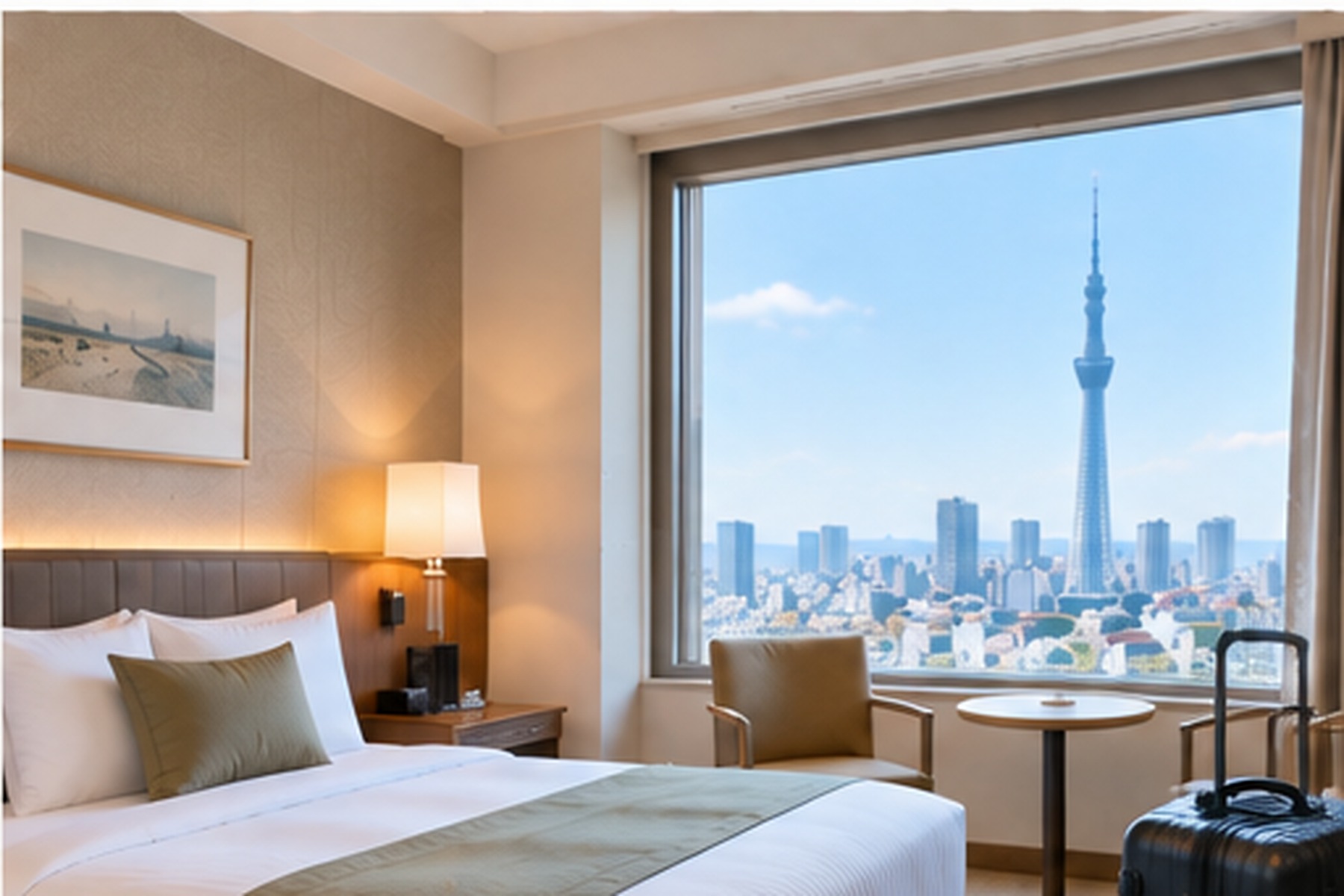
Hotel prices change sharply by city, season, day of week and booking lead time. A cheap room far from the station can also create extra transport and lost time, so the lowest nightly price is not always the best budget decision.
For planning, think in rough room-price bands rather than promises: hostels and capsules often sit at the lower end, compact business hotels occupy the middle, and well-located mid-range hotels rise quickly during busy periods. Traditional ryokan can include dinner and breakfast, which makes the room price look high but can replace two meals.
- Compare the total stay price, not only the headline nightly rate.
- Check whether breakfast, service charges and accommodation tax are included.
- A station-close hotel can save taxi fares and reduce time lost to transfers.
- Book the hardest nights first if your trip overlaps a high-demand period.
Do Not Forget Local Accommodation Taxes
Some destinations add a local accommodation tax on top of the room price. Kyoto currently uses a tiered tax that can range from a few hundred yen to several thousand yen per person per night depending on the accommodation price, and Tokyo also has a separate accommodation tax.
These local rules can change, and booking sites do not always present them in exactly the same way. Check the city’s official tax page and the final booking breakdown so a tax collected at the hotel does not feel like an unexpected charge.
- Treat local accommodation tax as a separate budget line.
- Check whether the booking total says taxes are included or payable at the property.
- Remember that the tax is often calculated per person per night.
- Recheck official city rules if the trip is many months away.
Food Can Stay Cheap Without Living on Convenience Stores
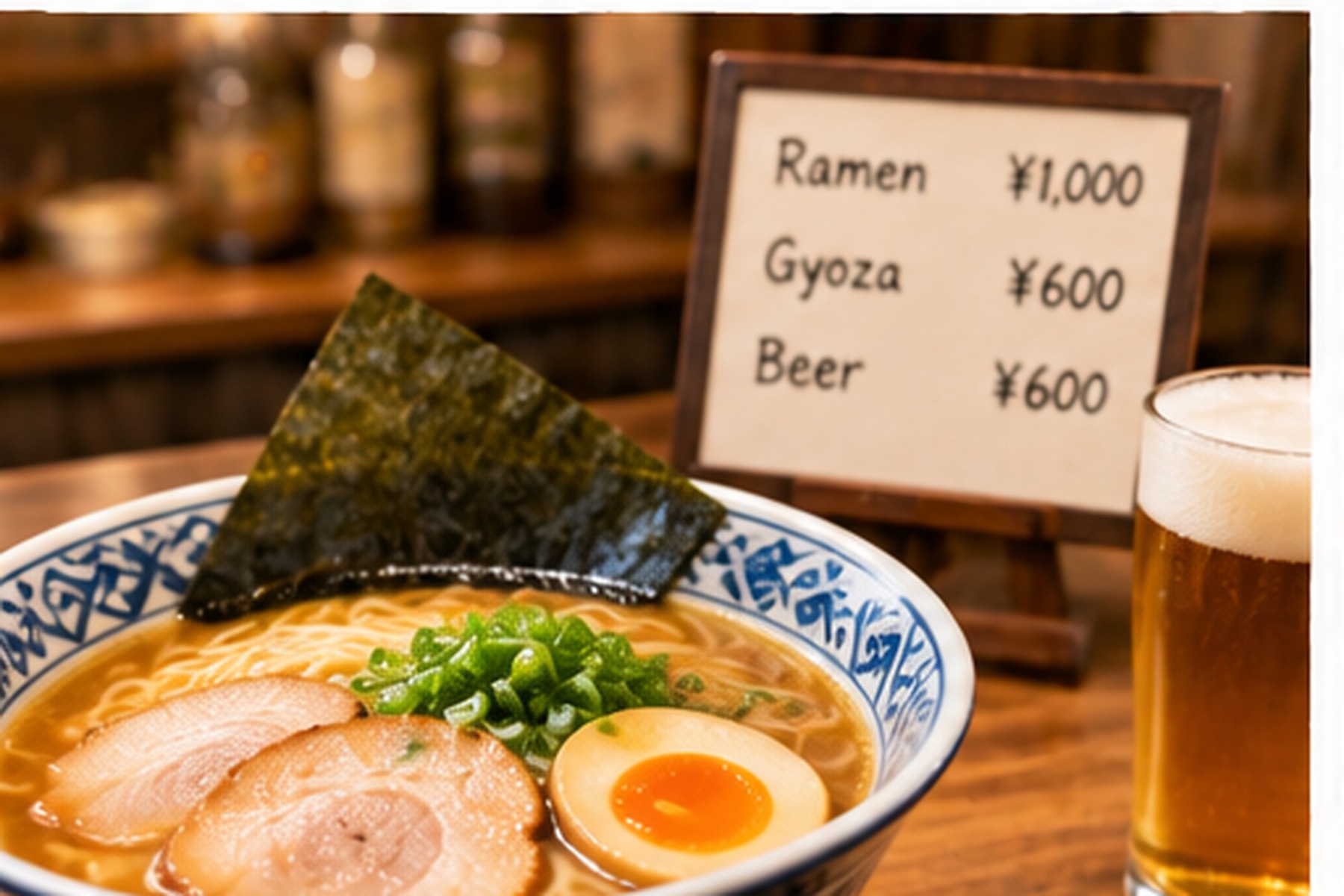
Japan has a wide middle ground between convenience-store food and expensive dining. Ramen, curry, soba, udon, set meals, family restaurants and conveyor-belt sushi can keep everyday food spending predictable while still giving you a real restaurant experience.
A practical food budget is often about ¥2,500–4,000 per day for a very frugal traveler, around ¥4,000–7,000 for a balanced mix, and more when dinner includes alcohol, premium sushi, wagyu or destination restaurants.
- Breakfast can stay inexpensive with a bakery, cafe or convenience store.
- Lunch specials often cost less than an equivalent dinner.
- Use one memorable restaurant as the splurge instead of making every meal a destination meal.
- Drinks, alcohol and desserts can quietly add more than the main dish.
Local Transport Is Usually Manageable
Local rail and subway costs are rarely the main budget problem unless you cross a large city repeatedly. Grouping attractions by neighborhood saves both money and time.
Tokyo’s current visitor-oriented Subway Ticket costs ¥1,000 for 24 hours, ¥1,500 for 48 hours and ¥2,000 for 72 hours and covers Tokyo Metro and Toei Subway lines. It is useful only when your actual rides fit the covered network, so compare it with ordinary fares rather than buying it automatically.
- Use an IC card for simple pay-as-you-go local travel.
- Buy a day or multi-day pass only when the planned rides justify it.
- Walking between nearby attractions can replace an unnecessary train hop.
- Do not build an itinerary that crisscrosses the city several times a day.
Long-Distance Rail Can Change the Entire Budget
A Tokyo–Kyoto or Tokyo–Osaka Shinkansen journey is a large enough expense that it should be budgeted separately from normal daily transport. Once the route includes several long-distance rail legs, compare individual tickets, regional passes and the nationwide Japan Rail Pass.
The current ordinary nationwide Japan Rail Pass costs ¥50,000 for 7 days, ¥80,000 for 14 days and ¥100,000 for 21 days. That does not mean it is automatically good value. Buy it only when the journeys you will actually take make the pass worthwhile.
- Finish the rough itinerary before buying a rail pass.
- Compare the pass with actual point-to-point fares on your route.
- Do not add unnecessary train trips just to justify a pass you already bought.
- Reserve important long-distance seats when certainty matters more than maximum flexibility.
Airport Transfers Have Cheap and Convenient Versions
Airport transport can range from ordinary rail to faster express services, buses and taxis. The cheapest option is not always the best value after a long flight, especially if it creates several transfers with luggage.
Budget the arrival and departure transfer separately. Compare total cost, walking distance, number of changes and how late the service runs rather than choosing only by fare.
- Ordinary rail is often the low-cost choice when the route is simple.
- Airport express trains can be worth paying more for when they remove transfers.
- Airport buses can make sense when they stop close to the hotel.
- A long taxi ride is usually a convenience purchase, not a budget transport method.
Cash, Cards and ATM Fees Need a Backup Plan
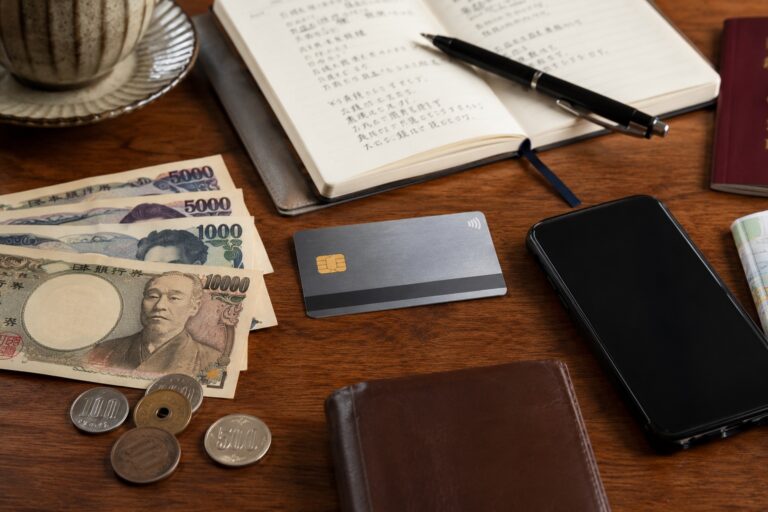
Cards are widely accepted, but cash remains useful for some smaller businesses, machines and local situations. A resilient setup is one primary card, one backup card stored separately and enough yen for transport, food and a small emergency.
Seven Bank accepts many overseas-issued cards and currently allows up to ¥100,000 per withdrawal for many foreign cards, though card-brand, issuer and ATM fees vary. When an ATM or terminal offers currency conversion, compare the exchange rate and fees rather than assuming home-currency conversion is cheaper.
- Keep a second payment method away from the main wallet.
- Check your bank’s foreign transaction and ATM fees before departure.
- Withdraw larger sensible amounts instead of making many tiny fee-bearing withdrawals.
- Track spending in yen so exchange-rate movement does not distort your daily budget.
Prepaid IC Cards Are Convenient, but Do Not Overload Them
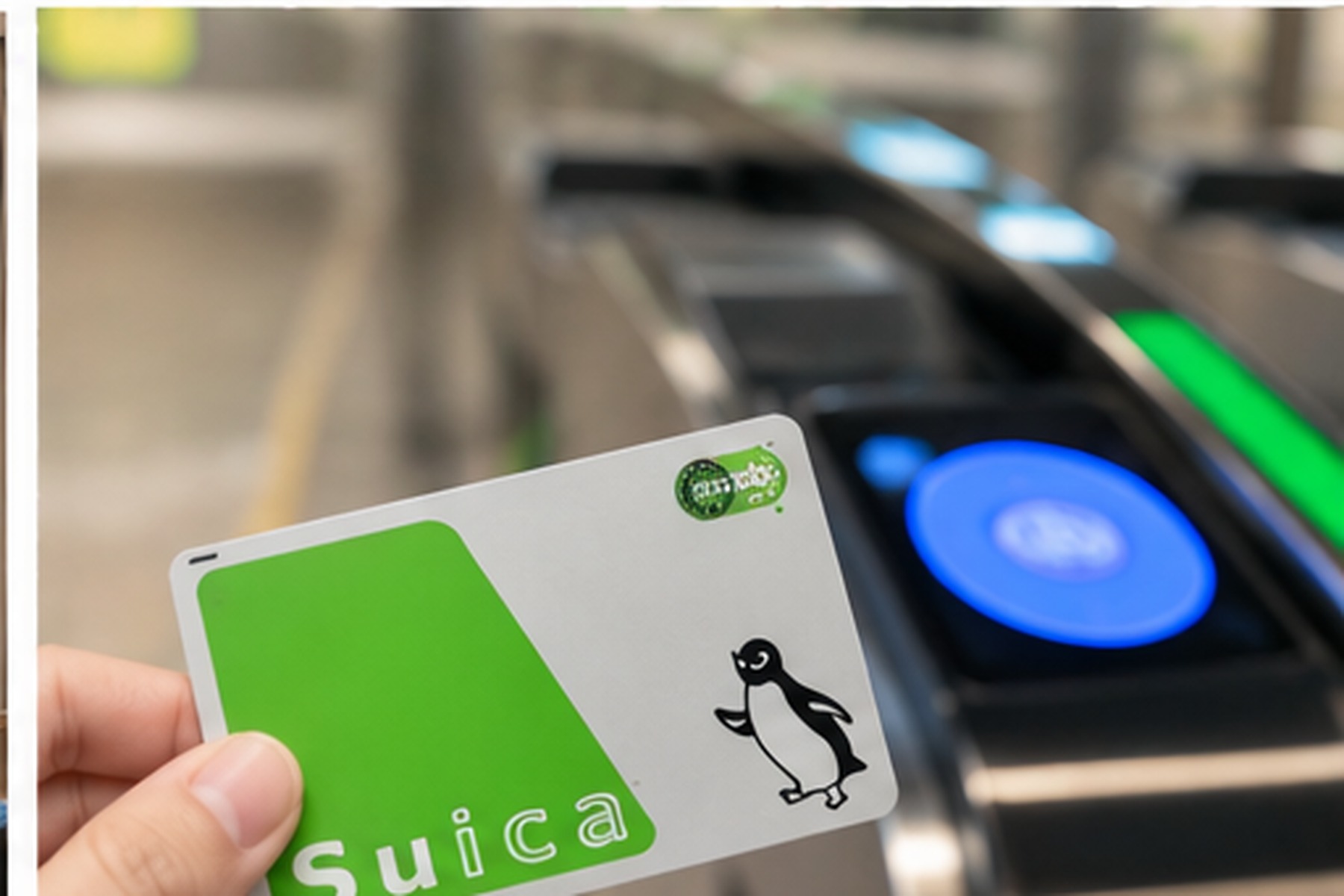
Visitor-oriented Welcome Suica cards require no deposit and are valid for 28 days from purchase. They can be topped up for local transport and compatible purchases, but remaining stored value is not refundable when the card expires.
The budget lesson is simple: top up in smaller amounts near the end of the trip. Convenience is useful, but unused prepaid balance is still money you did not spend.
- Load enough for the next few days instead of the entire trip at once.
- Use the card for compatible transport and small purchases when convenient.
- Check the balance before the final travel day.
- Do not treat stored IC value as separate from the travel budget.
Paid Attractions Matter More Than Small Everyday Purchases
Temples, museums and observation decks may each look inexpensive, but several paid stops every day add up. Theme parks, major tours and premium experiences are much larger costs and should be placed in the fixed-cost layer before you decide the daily budget.
Choose the experiences that genuinely matter and leave room for Japan’s many free neighborhoods, parks, shrines, city walks and department-store views. Saving money by cutting a low-priority attraction usually has less impact on the trip than choosing an inconvenient hotel.
- Price major attractions before the trip and reserve only those that need it.
- Mix paid experiences with free neighborhoods and parks.
- Avoid buying tickets simply because a discount pass exists.
- Keep a small daily sightseeing allowance for unplanned museums or temples.
Season and Booking Timing Can Move the Budget More Than Food
Hotel prices can jump during cherry-blossom season, major holidays, autumn foliage periods and weekends in popular destinations. The same room can cost very different amounts depending on demand.
If the trip falls in a high-demand period, book the hard-to-replace nights first and use flexible cancellation when the price is reasonable. Saving ¥500 on lunch is not useful if a late hotel booking costs several thousand yen more every night.
- Compare hotel rates before locking the route.
- Avoid changing hotels every night just to chase a slightly cheaper room.
- Book scarce dates earlier than ordinary midweek nights.
- Recheck refundable bookings if prices later improve.
Use One Simple Formula for the Whole Trip
A reliable total is: nightly accommodation plus daily food and local transport, multiplied by the number of days, then add intercity rail, airport transfers, major attraction tickets and a shopping or emergency buffer.
This method works better than copying somebody else’s total because it adjusts automatically for solo travel, room sharing, premium hotels, regional routes and different spending habits.
- Step 1: total the hotels using the final tax-inclusive booking price where possible.
- Step 2: choose the lean, balanced or comfortable daily food-and-local-transport band.
- Step 3: add every Shinkansen, domestic flight, pass and airport transfer.
- Step 4: add major attraction tickets and a realistic shopping allowance.
- Step 5: keep a contingency buffer instead of spending to the exact limit.
The Best Savings Come From Big Decisions
The strongest budget strategy is not constant penny-pinching. A well-located hotel, a sensible route and the right long-distance ticket can save more than dozens of small sacrifices.
Cut waste first: unnecessary hotel changes, rail passes that do not pay back, long taxi rides caused by poor planning, unused prepaid balance and premium bookings made only because they are famous. Then spend deliberately on the experiences you actually value.
- Optimize the route before optimizing snacks.
- Compare hotels by total trip impact, not headline price alone.
- Run the rail-pass math before buying.
- Use lunch, free attractions and neighborhood walking to stretch the budget without making the trip feel cheap.
- Keep one splurge category and cut lower-priority spending elsewhere.
FAQ
How much money do I need per day in Japan?
A lean independent trip can start around ¥10,000–15,000 per person per day, a balanced trip around ¥18,000–30,000, and a more comfortable trip around ¥35,000–60,000 or more. Add international airfare and major intercity transport separately.
Is Japan expensive for tourists?
It can be expensive if you book peak-season hotels late, use taxis heavily or add many premium experiences, but everyday food and public transport can be reasonably priced. Accommodation and long-distance travel usually matter more than small daily purchases.
Is the Japan Rail Pass always cheaper?
No. Compare the current pass price with the actual long-distance JR journeys in your itinerary. Point-to-point tickets or regional passes can be better for simpler routes.
Should I carry cash in Japan?
Yes. Cards are widely accepted, but cash is still useful in some smaller businesses, machines and local settings. Carry some yen plus a primary card and a backup payment method.
How can I save money on hotels in Japan?
Book high-demand nights early, compare the total tax-inclusive stay, choose a practical station location and avoid unnecessary hotel changes. Sharing a room can also reduce the per-person cost.
Are there hidden hotel costs in Japan?
Some cities charge accommodation taxes, and a booking may also separate taxes or fees from the displayed room price. Check the final booking breakdown and the destination’s official accommodation-tax page.
Should I exchange all my money before traveling to Japan?
Not necessarily. Many travelers combine cards with yen withdrawals from major ATM networks. Compare your own bank’s exchange rate, foreign transaction fee and ATM fee before deciding where to obtain cash.
Related Japan Travel Guides
Official References
Final Thoughts
A good Japan budget does not come from trying to make every purchase cheap. It comes from controlling the large variables first: hotel location and season, long-distance transport, major attractions and avoidable fees. Build the trip in daily and fixed-cost layers, keep cash and card backups, compare passes against the route you will actually travel, and leave enough flexibility to spend on the experiences that matter.