
Emergency Numbers in Japan: Police, Ambulance, Fire & Traveler Help
A practical guide to Japan’s main emergency numbers: 110 for police, 119 for ambulance or fire, 118 for maritime emergencies, plus traveler support and non-emergency options.
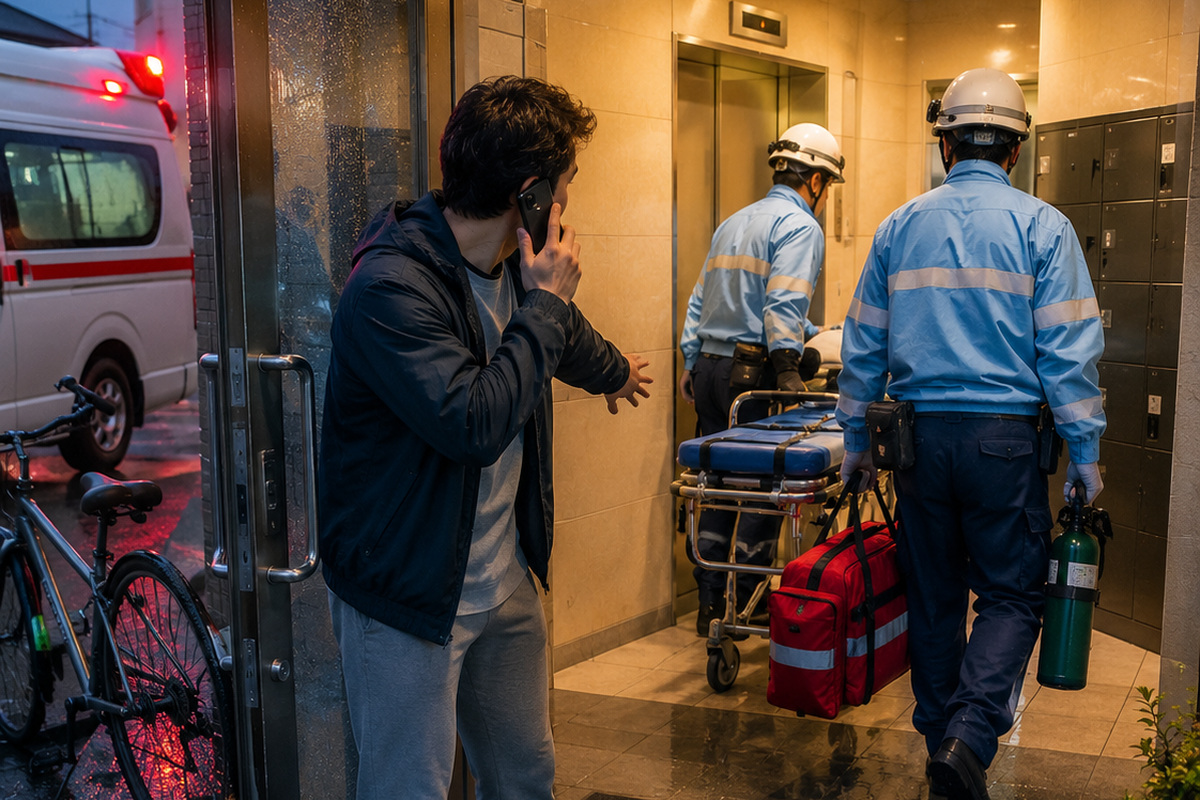
In Japan, call 110 for an urgent police response, 119 for ambulance or fire, and 118 for emergencies at sea. The Japan Visitor Hotline at 050-3816-2787 provides 24-hour tourist assistance in English, Chinese and Korean, including support during accidents, illness and natural disasters. The visitor hotline does not replace 110, 119 or 118 when there is immediate danger.
What You’ll Learn
- Which number to call for police, ambulance, fire or a maritime emergency
- How the Japan Visitor Hotline can help travelers
- When non-emergency consultation lines are more appropriate
- What information to give during an emergency call
- How to prepare your phone, location details and insurance information before travel
Save the Four Numbers That Matter Most
Japan uses separate numbers for police, fire and ambulance, and maritime emergencies. Save them in your phone before departure so you do not have to search while stressed.
Use 110 for urgent police help, 119 for ambulance or fire, and 118 for an emergency at sea. For traveler assistance, the Japan Visitor Hotline can help with accidents, illness, disasters and general tourist support, but it is not a substitute for an emergency dispatch number.
- 110 — police emergencies and traffic accidents
- 119 — ambulance, fire and rescue
- 118 — Japan Coast Guard emergencies at sea
- 050-3816-2787 — Japan Visitor Hotline for traveler assistance
Call 110 for Urgent Police Help
Call 110 if you are involved in or witness a crime or traffic accident, or if someone is in immediate danger. Tokyo Metropolitan Police guidance for visitors specifically tells travelers to dial 110 for accidents or crime.
If you do not speak Japanese, explain that you need language help and give your location first. Tokyo police state that an interpreter can assist on a 110 call; support arrangements outside Tokyo can differ, so stay on the line and follow the operator’s instructions.
- Crime, assault, robbery or immediate threats
- Traffic accidents involving cars, taxis, bicycles or pedestrians
- A dangerous situation requiring police response
- A crime or accident you have just witnessed
Call 119 for Ambulance or Fire
Call 119 for a medical emergency, serious injury, sudden illness, fire or rescue situation. Do not delay the call to search for a hospital if the situation is life-threatening.
The operator will ask what happened and where you are. Give the location as clearly as possible, then answer questions about the patient, fire or rescue situation. Language support differs by municipality, so do not assume that every 119 center handles foreign languages in the same way.
- Serious illness or injury
- Loss of consciousness, severe breathing trouble or major bleeding
- Fire or smoke that may endanger people
- A rescue situation requiring emergency responders
Call 118 for an Emergency at Sea
The Japan Coast Guard operates 118 for incidents and accidents at sea. Use it when rescue is needed on the water or when you witness a serious maritime incident.
The Coast Guard asks callers to report what happened, where it happened and other essential details calmly and concisely. If you are on a boat, beach, pier or coastal area, give a landmark, vessel name or position information if available.
- A person or vessel in distress
- A marine accident or serious incident
- A rescue request on the water
- Other urgent events that require Japan Coast Guard response
Use the Japan Visitor Hotline for Traveler Assistance
The Japan National Tourism Organization operates the Japan Visitor Hotline at 050-3816-2787. It is available 24 hours a day and supports English, Chinese and Korean.
The hotline can assist travelers during accidents, illness, natural disasters and other travel problems. If police, ambulance, fire or Coast Guard dispatch is needed immediately, call the emergency number first rather than waiting for the visitor hotline.
- Accident or illness support for travelers
- Assistance during natural disasters
- General tourist information when you need help
- Multilingual support in English, Chinese and Korean
Use Consultation Lines for Non-Emergency Situations
Not every problem requires an emergency dispatch. Police consultation number #9110 can direct non-emergency concerns to an appropriate police service. Tokyo police specifically recommends #9110 when the situation is not urgent.
For medical situations where you are unsure whether an ambulance is necessary, #7119 provides emergency medical consultation in participating areas. The service is not available everywhere in Japan, and language support varies, so check local availability. If the person appears to be in immediate danger, call 119 instead.
- #9110 — non-emergency police consultation
- #7119 — medical consultation in participating areas
- A nearby koban can help with lost property, directions and many non-urgent police matters
- Your accommodation or insurer can help with non-urgent practical arrangements

Give Your Location Before the Details Become Complicated
The fastest useful information is often your location. Start with the city or ward, nearby station, hotel, building, intersection or another clear landmark. If you have a hotel address saved on your phone, read it exactly as shown.
Then explain what happened, how many people are involved and whether anyone is injured or in immediate danger. Keep the phone available in case emergency services need to call you back.
- Where you are
- What happened
- How many people are involved
- Whether anyone is injured, unconscious or trapped
- Your name and callback number if requested
Do Not Let a Language Barrier Delay the Emergency Call
You do not need perfect Japanese before calling for help. Use short phrases, repeat the location and answer one question at a time. If someone nearby can interpret safely, they can assist, but do not spend valuable time searching for a translator during a life-threatening emergency.
Tokyo police can connect a police interpreter for a 110 call. Fire and ambulance language support depends on the local fire department. The Japan Visitor Hotline can provide multilingual traveler assistance, but immediate emergencies still belong on 110, 119 or 118.
- Say the location slowly and clearly
- Use simple words such as police, ambulance, fire or accident
- Stay on the line until the operator tells you to disconnect
- If safe, ask a nearby staff member to help explain the location
Know When a Koban, Hospital or Pharmacy Is the Better Next Step
For lost property, directions, minor non-urgent trouble or a report that does not require immediate dispatch, a nearby police box can be more appropriate than 110. Tokyo police encourages visitors to use koban for lost items and many everyday problems.
For a non-emergency health problem, a clinic, hospital or pharmacy may be the right next step. If symptoms become severe or life-threatening, switch immediately to 119. Keep your passport details, medicine list and insurance assistance number accessible.
- Lost item with no immediate danger — ask at a koban or relevant station office
- Minor illness — consider a clinic or pharmacy
- Serious or rapidly worsening symptoms — call 119
- Lost passport — report the loss and contact your embassy or consulate
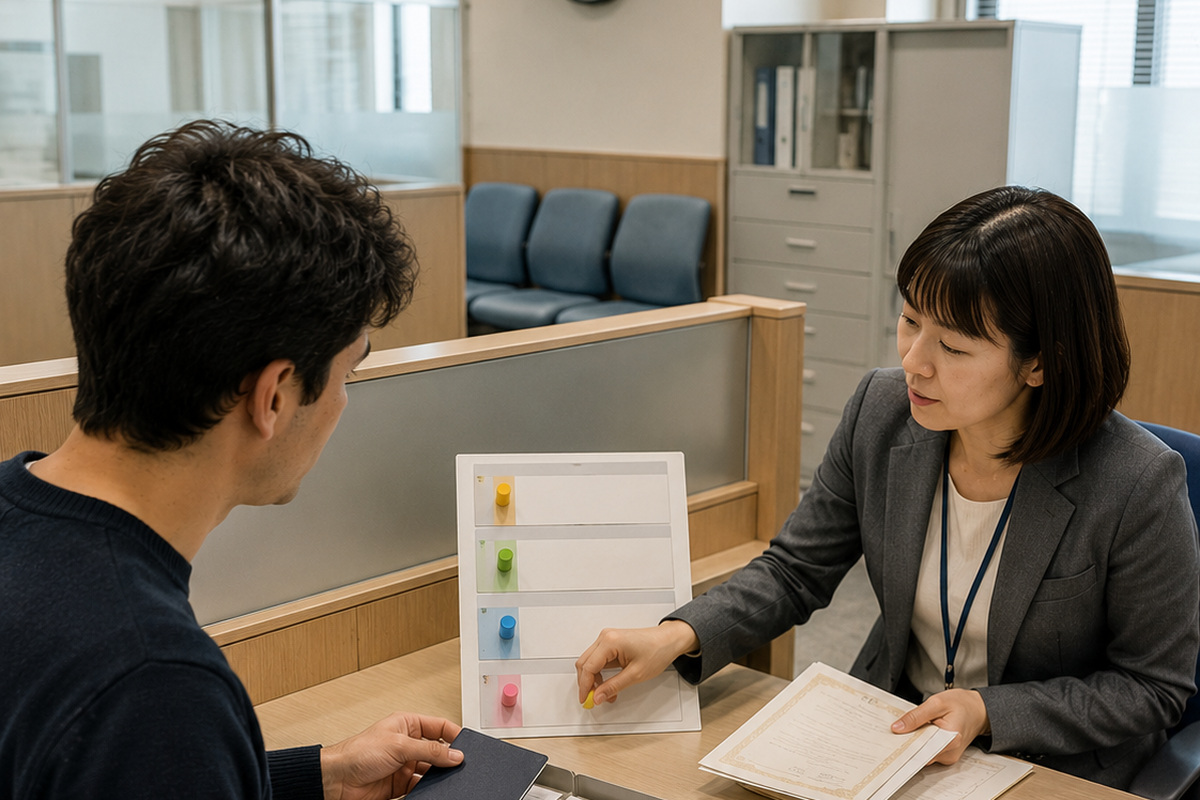
Prepare for an Emergency Before You Leave Home
A few minutes of preparation can remove several points of failure. Save the emergency numbers, the Japan Visitor Hotline, your accommodation address and your travel insurer’s assistance contact before you board the flight.
Keep your phone charged, carry a power bank where permitted, and save key information offline. During earthquakes, typhoons or other major disruptions, use official alerts and follow local authority instructions rather than relying only on social media.
- Save 110, 119, 118 and the Japan Visitor Hotline
- Save your hotel or accommodation address in Japanese and English
- Keep insurance and medical information available offline
- Carry a charged phone and backup power
- Review official disaster and safety information before and during the trip
FAQ
What is the police emergency number in Japan?
Call 110 for an urgent police response, including crime, traffic accidents and immediate danger. For non-emergency police consultation, #9110 may be more appropriate.
What number do I call for an ambulance in Japan?
Call 119 for an ambulance. The same number is used for fire and rescue emergencies.
What is 118 used for in Japan?
118 is the Japan Coast Guard emergency number for incidents and accidents at sea, including situations that require maritime rescue.
Can I call Japan’s emergency numbers from a mobile phone?
Yes. In Japan, you can call 110, 119 and 118 from a mobile phone. Be ready to give your location because the operator still needs enough information to send help to the correct place.
What should I do if I do not speak Japanese?
Call the correct emergency number first and give your location clearly. Tokyo police provides interpreter assistance for 110 calls; language support for 119 and other services varies by area. The Japan Visitor Hotline can also provide multilingual traveler assistance.
What should I do if I am unsure whether I need an ambulance?
If there is immediate danger or a potentially life-threatening condition, call 119. In participating areas, #7119 can provide medical consultation when you are unsure whether an ambulance or urgent hospital visit is necessary.
Related Japan Travel Guides
Official References
Final Thoughts
You do not need to memorize every safety service in Japan. Save the essential numbers, keep your location and insurance details accessible, and use the correct channel: 110 for police, 119 for ambulance or fire, 118 for maritime emergencies, and the Japan Visitor Hotline for multilingual traveler assistance. In an immediate emergency, call first and sort out the remaining details after help is on the way.