
How to Book Hotels in Japan: Location, Rooms and Check-In
Book accommodation in Japan with a clear process for choosing locations, reading room details, comparing total prices, checking cancellation rules and preparing for check-in.
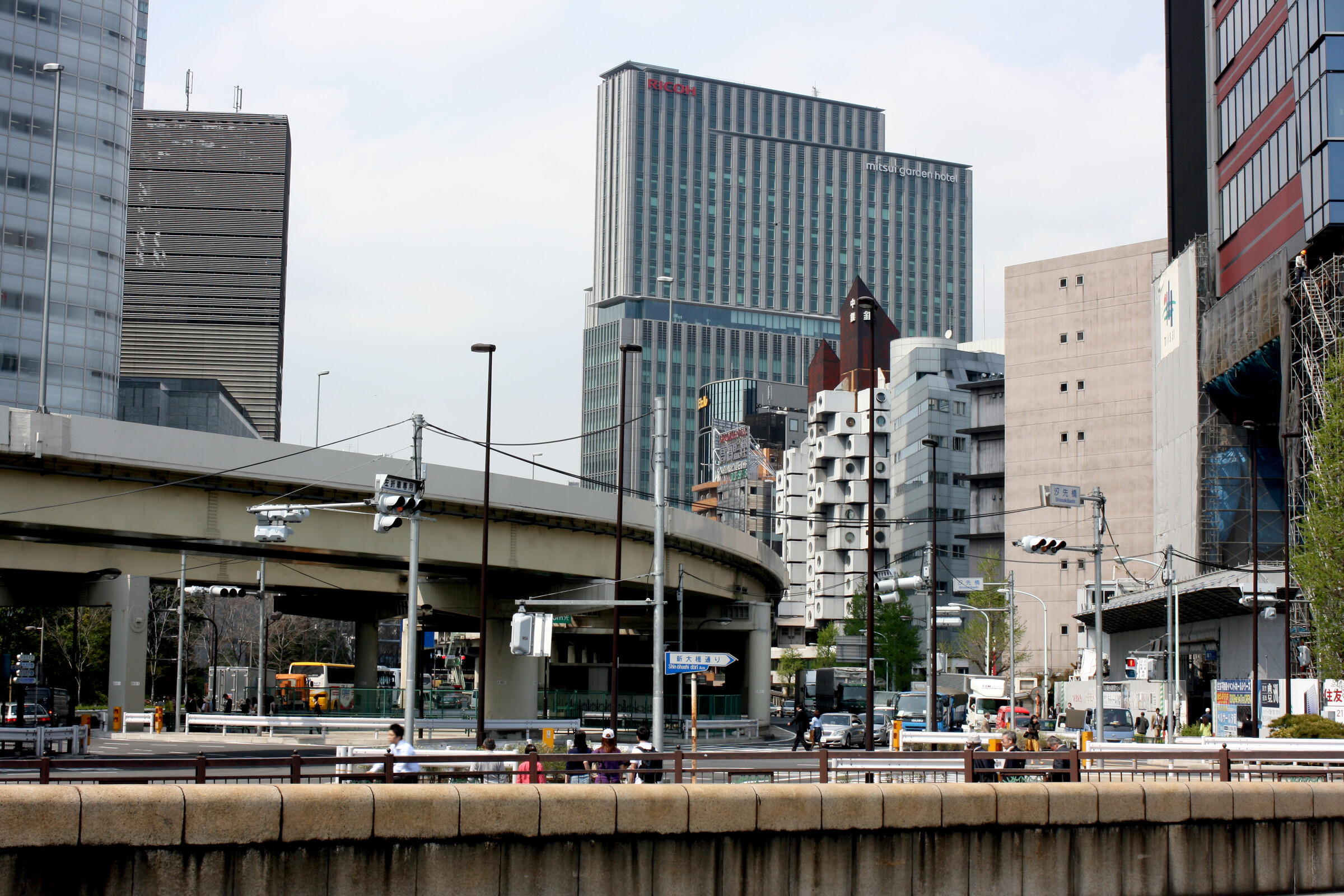
Choose the neighborhood and transport first, then compare the same room, guest count and cancellation terms across reputable booking channels. Read the stated room area, bed setup, bathroom type, smoking status, meal plan, final price and latest check-in instead of relying on photos. Enter every guest correctly and save the confirmation offline. Foreign visitors without a Japanese address should bring their physical passports for lodging registration. If arrival may be late, accessibility is essential or dietary support affects the stay, confirm it directly with the property before the free-cancellation deadline.
What You’ll Learn
- Choose a location by real station access and nightly return routes.
- Compare room size, beds, occupancy and bathroom arrangements.
- Calculate the final price with taxes, meals and cancellation terms.
- Prepare for check-in, late arrival and passport registration.
- Handle ryokan, capsule hotel and luggage needs correctly.
Choose the neighborhood before the hotel
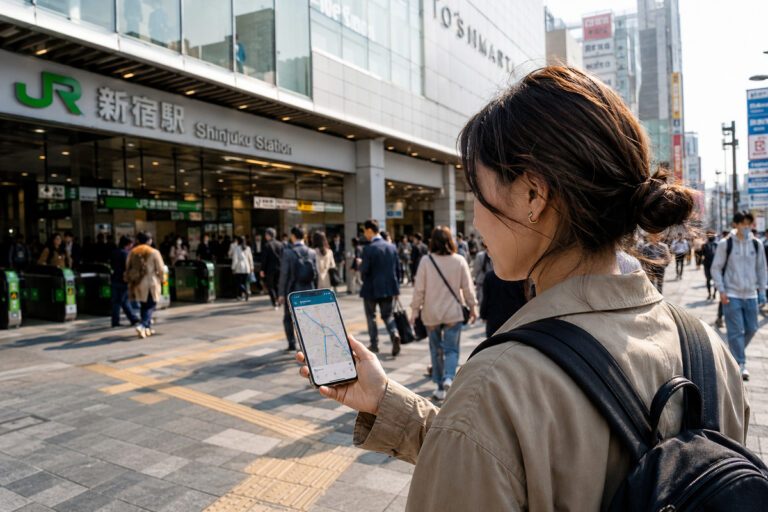
A well-rated room in the wrong location can cost more time than it saves money. Start with the stations, sights or business areas used most often, then compare hotels within a realistic walk from a useful station exit.
Check the final evening route as well as daytime sightseeing. A direct line, an airport bus stop or a short level walk can matter more than being near a famous landmark.
- Map the hotel to the correct station exit.
- Check the last return journey.
- Count transfers, stairs and luggage distance.
Match the accommodation type to the trip
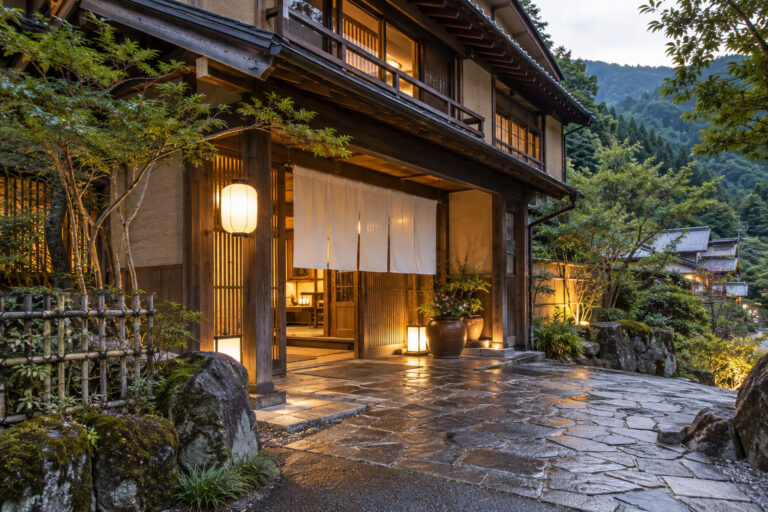
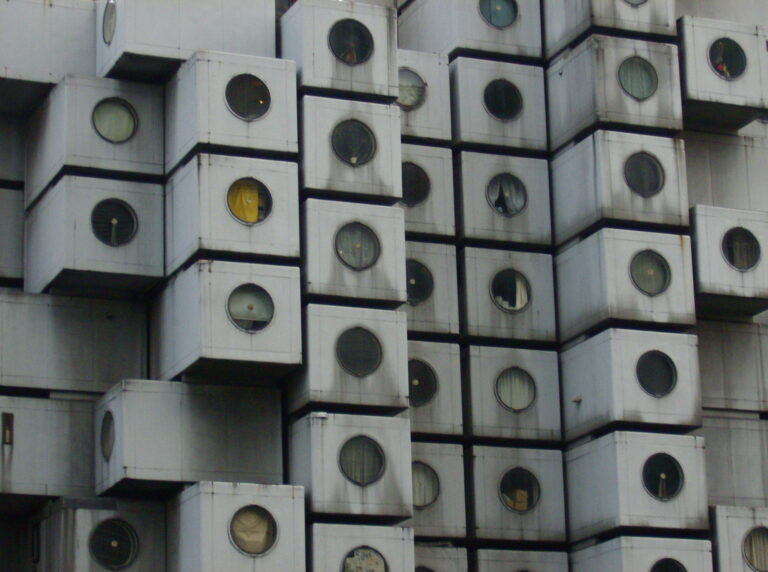
Business hotels prioritize compact private rooms and convenience. Full-service hotels add space and facilities. Ryokan focus on Japanese hospitality, meals and bathing customs. Capsule hotels suit short solo stays and may separate sleeping, luggage and bathing areas.
Do not compare these only by nightly price. Decide which services, privacy, room setup and check-in style the travelers actually need.
- Business hotel: efficient private base.
- Ryokan: experience-led stay with specific schedules.
- Capsule: compact solo option with house rules.
Read room size and bed details literally
Japanese urban rooms can be compact. Review the stated floor area, bed width, bed count and whether an extra bed or sofa bed is included. A double room does not always mean two separate beds.
Confirm that the occupancy permits every adult and child. Do not book a single-occupancy rate for two people or assume a child can share any bed without being registered.
- Check square meters, not photos alone.
- Confirm bed count and width.
- Enter the true number and ages of guests.
Compare the full price, not the first result
Search results may exclude taxes, local accommodation charges, meals, service fees or optional extras until later in checkout. Compare the final payable total for the same room, guest count and cancellation terms.
Currency conversion can also affect the amount. Note whether payment occurs now, later through the platform or at the property, and which party handles any refund.
- Compare identical dates, room and occupancy.
- Review taxes and property-collected charges.
- Check payment currency and timing.
Understand cancellation and no-show terms
Free cancellation has a deadline and time zone. After that point, a partial or full charge may apply. Non-refundable rates can be poor value when flights, visas or group plans remain uncertain.
Save the policy shown at payment and note the cancellation route. Contacting the hotel may not cancel a reservation controlled by an online platform.
- Record the exact cancellation deadline.
- Use the seller’s required cancellation channel.
- Treat a no-show as different from a timely cancellation.
Check meal plans and dining times
Room-only, breakfast-included, half-board and dinner packages are different products. At a ryokan, dinner may be central to the stay and have a fixed final arrival time.
Confirm whether meals cover every registered guest and whether allergies or dietary needs can be accommodated. A request field is not a guarantee; obtain a clear reply when the need is essential.
- Match the plan to the meals required.
- Check serving hours before booking transport.
- Confirm essential dietary needs directly.

Verify check-in, checkout and late arrival
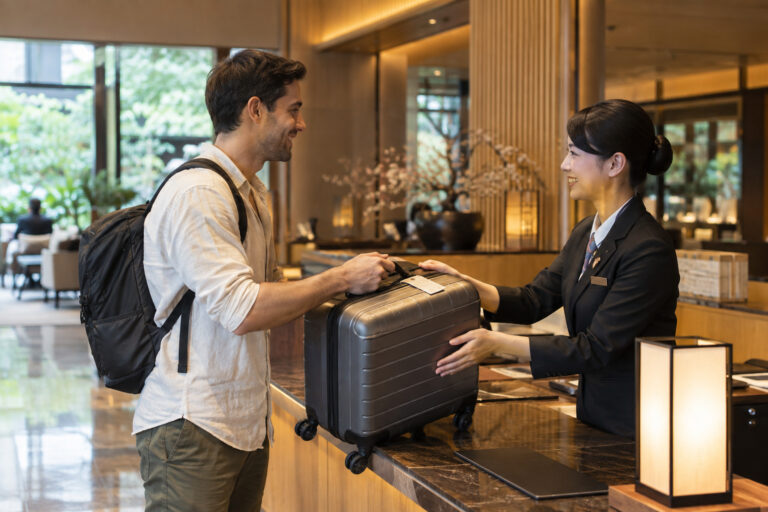
Check-in is usually a time window, not permission to arrive at any hour. If a flight or train may arrive late, review the property’s latest check-in and contact it before the deadline.
Also check checkout time, front-desk hours and after-hours access. Small inns and private lodgings may not have continuous reception.
- Provide a realistic arrival time.
- Notify the property about delays.
- Do not assume a staffed desk overnight.
Bring the documents required at check-in
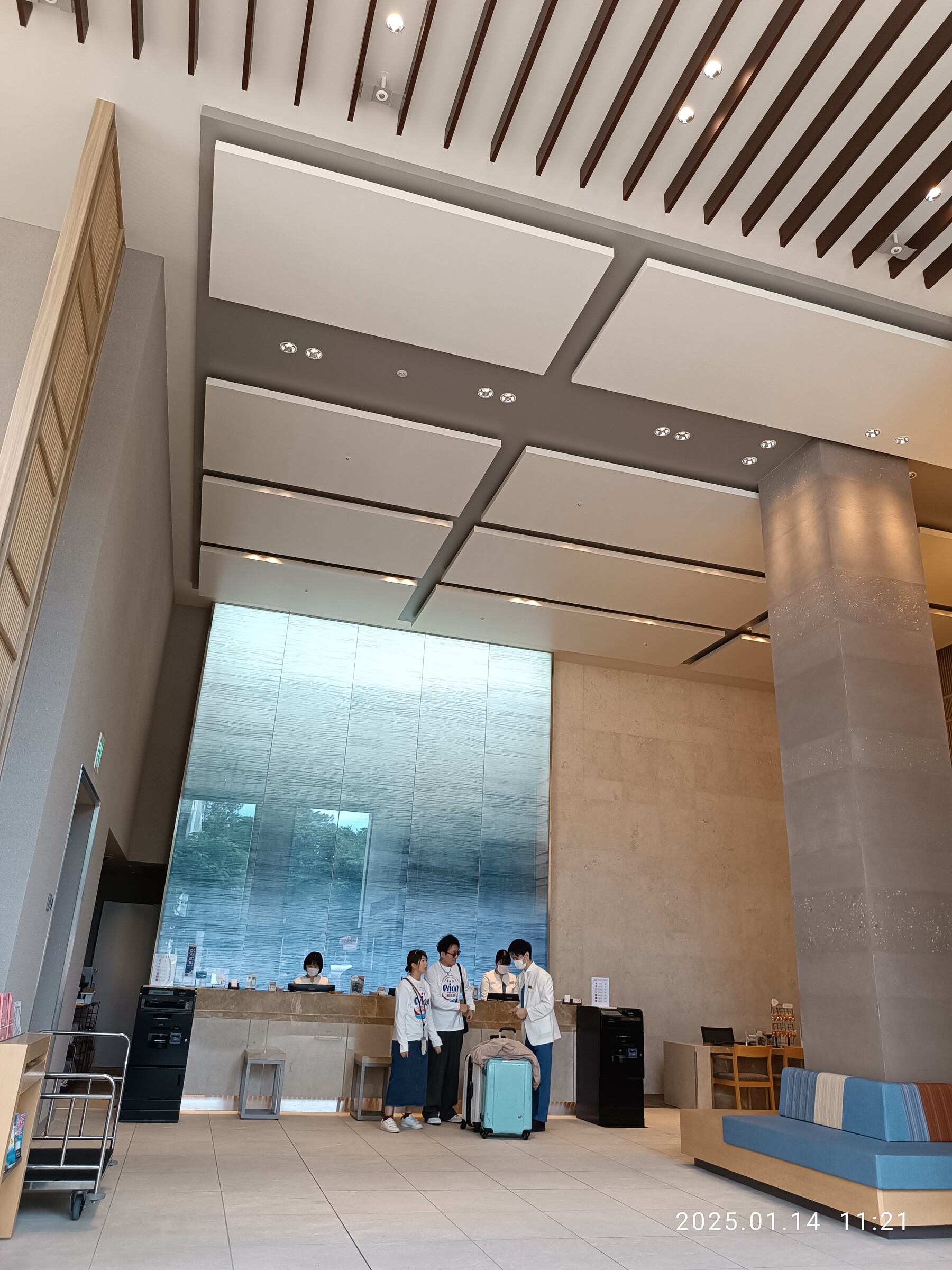
Foreign visitors without an address in Japan are required to provide nationality and passport number and present passports for copying at lodging facilities. Bring the physical passport rather than relying only on a phone image.
Use the reservation name exactly and keep the confirmation number available offline. Every guest should be registered according to the property’s instructions.
- Carry the physical passport.
- Match the lead guest name to the booking.
- Save the address and confirmation offline.
Confirm bathrooms, smoking and accessibility
Check whether the bathroom is private, shared or part of a communal bathing area. For capsule hotels and some traditional stays, toilets, showers or baths may be on another floor.
Select non-smoking explicitly when necessary and ask about residual smoke sensitivity. For accessibility, verify entrance steps, elevator dimensions, bathroom layout and bed access directly with the property.
- Private and shared facilities are not interchangeable.
- Do not rely on a general accessibility icon.
- Confirm the exact room and route from entrance to bed.
Plan luggage before check-in and after checkout
Ask whether the property stores luggage before check-in or after checkout and whether there are limits. Some hotels can arrange luggage delivery, but reception hours and acceptance rules vary.
If forwarding bags, confirm the next property will receive them and enter its address and reservation name accurately. Keep medication, documents and valuables with you.
- Confirm storage hours and size limits.
- Tell the receiving hotel before forwarding luggage.
- Keep essentials out of shipped bags.
Evaluate a ryokan booking separately
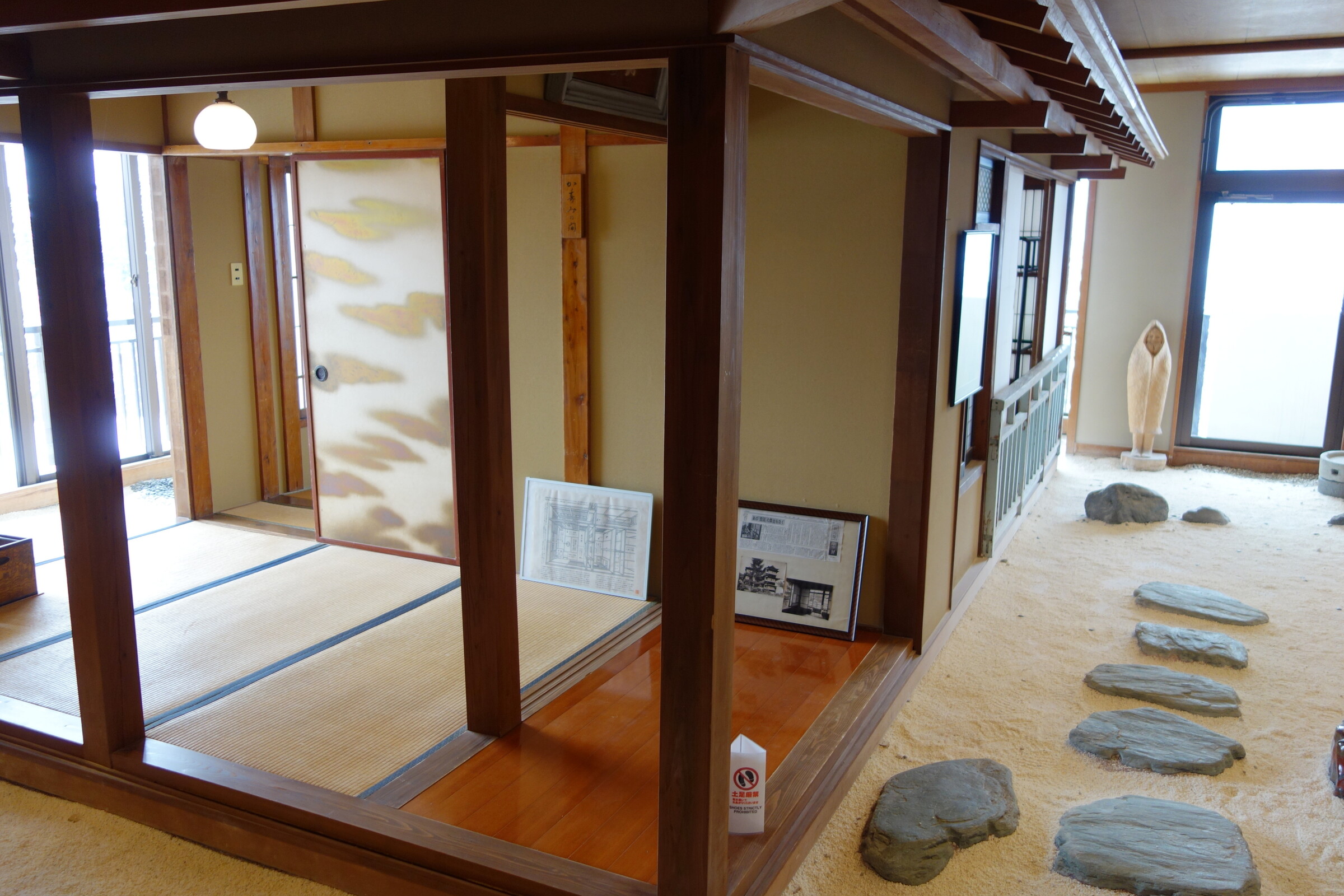
A ryokan may price per person rather than per room and may include dinner and breakfast. Confirm room style, bedding, bathing arrangements, meal location and the latest dinner arrival.
Tattoo policies, private-bath reservations and dietary support vary. Ask before booking when any of these decides whether the stay works.
- Check per-person pricing and included meals.
- Plan arrival around dinner.
- Confirm bath and tattoo arrangements.
Know what capsule hotels do not provide
Capsules commonly offer a sleeping pod rather than a lockable private room. Large luggage may be stored in a locker or separate area, and noise travels more easily than in a hotel room.
Check gender arrangements, minimum age, bathing facilities, re-entry rules and whether guests must vacate the sleeping area during daytime cleaning.
- Expect shared facilities and limited privacy.
- Check luggage and re-entry rules.
- Confirm every traveler is eligible for the property.
Protect the booking from scams and mistakes
Book through the property’s official site or a reputable platform, and avoid payment links sent from an unverified message. A compromised hotel or platform message can look convincing.
Verify any request to re-enter card details through the saved app or official contact. Never share a password or one-time security code. Keep the original confirmation and payment record.
- Open the booking from the official app or typed address.
- Verify unexpected payment requests independently.
- Keep receipts and message history.
Run a final booking check
Before paying, confirm city, property address, dates, nights, guest count, room type, beds, meals, total price, cancellation terms and payment timing. Then check arrival transport and latest check-in.
After booking, save the confirmation offline and message the property only for needs that materially affect the stay. Recheck the reservation before the free-cancellation deadline.
- Correct property, dates and guest count.
- Exact room, beds and meal plan.
- Final total and cancellation deadline.
- Arrival route and latest check-in.
FAQ
When should I book hotels in Japan?
Book earlier when dates overlap with peak travel, major events or a specific ryokan, room type or location. Flexible city trips may retain options later, but prices and cancellation terms change.
Are Japanese hotel rooms small?
Many urban rooms are compact. Check the listed floor area, bed width and luggage space rather than judging from wide-angle photographs.
Do hotels in Japan require passports?
Foreign visitors without an address in Japan are required to provide nationality and passport number and present passports for copying at lodging facilities.
Is a double room the same as a twin room?
No. A double usually has one bed for two people, while a twin generally has two separate beds. Read the exact bed configuration.
Can I arrive after the check-in time?
Only if the property agrees. Contact it before the deadline; small lodgings and meal-inclusive ryokan may be unable to accept a late arrival.
Should I pay now or at the hotel?
Choose based on currency, card terms, cancellation flexibility and who processes refunds. Confirm the final amount and payment timing before booking.
Can a hotel send my luggage to the next hotel?
Many can help, but acceptance, delivery time, item limits and front-desk hours vary. Confirm that the receiving property will accept the shipment.
Related Japan Travel Guides
Official References
Final Thoughts
The best hotel booking is not the lowest first price. It is the stay whose location, room, guest rules, meals, final total and cancellation policy match the real trip. Verify arrival timing and passport requirements, save the confirmation offline and resolve essential accessibility or dietary questions before flexibility expires.