
Best Japanese Desserts to Try: A First-Timer’s Guide
A practical guide to Japanese desserts, from wagashi and taiyaki to café parfaits and kakigori, with tips on texture, ordering, allergies, and souvenirs.
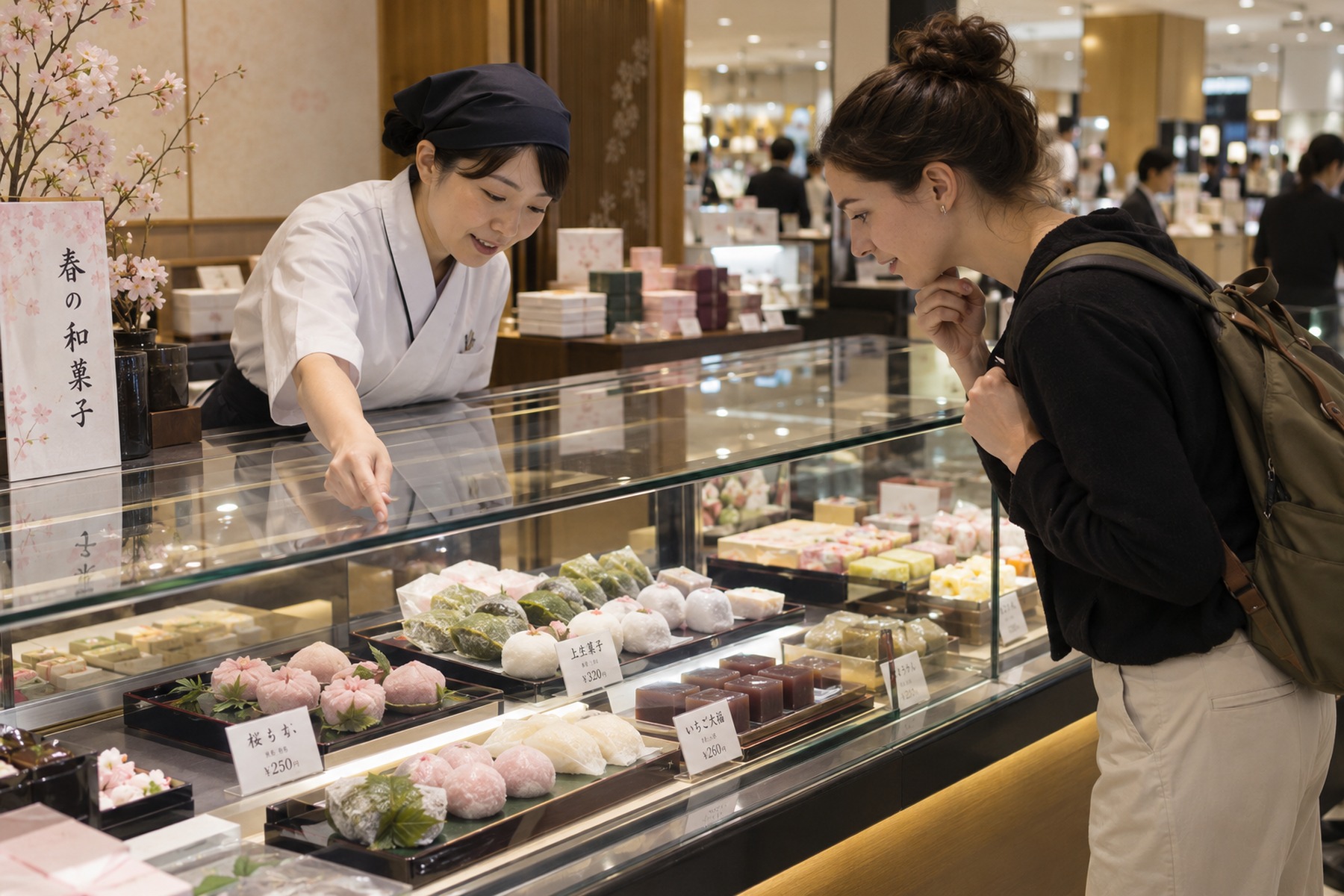
For an easy first tasting, try one soft sweet such as daifuku, one baked sweet such as dorayaki or taiyaki, and one refreshing dessert such as matcha ice cream or kakigori. Convenience stores are easiest, department-store food halls offer the widest polished selection, and traditional wagashi shops are best when you want seasonal craft and tea pairings.
What You’ll Learn
- Which Japanese desserts suit different tastes and textures
- Where to buy sweets without wasting sightseeing time
- How to order, store, and carry desserts safely
- What to check for allergies and dietary restrictions
- How to build a balanced first tasting instead of over-ordering
Start With These Japanese Desserts
Japanese sweets range from delicate wagashi made for tea to casual street snacks and elaborate café desserts. The easiest way to choose is by texture and setting, not by trying to rank every sweet in Japan.
A first-time tasting works best when it mixes three different styles. Choose something chewy, something baked, and something cold or creamy. This gives you more variety than buying several red-bean sweets at once.
- Daifuku: soft mochi wrapped around sweet bean paste; fruit versions add freshness.
- Dorayaki: two soft pancake-like cakes with a sweet filling, usually red bean.
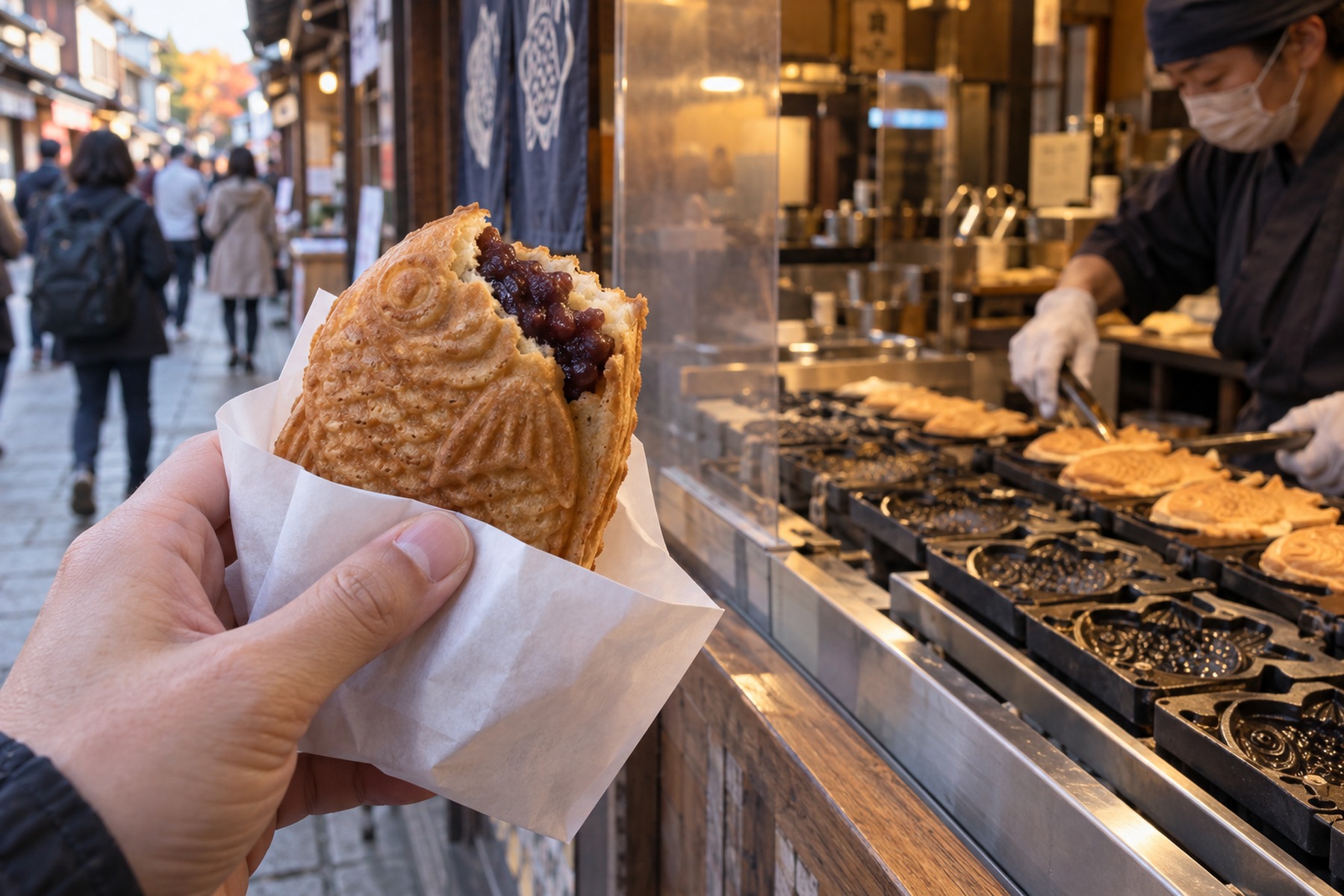
- Taiyaki: a fish-shaped baked snack with fillings such as red bean or custard.
- Dango: chewy rice dumplings, often skewered and served with sauce or bean paste.
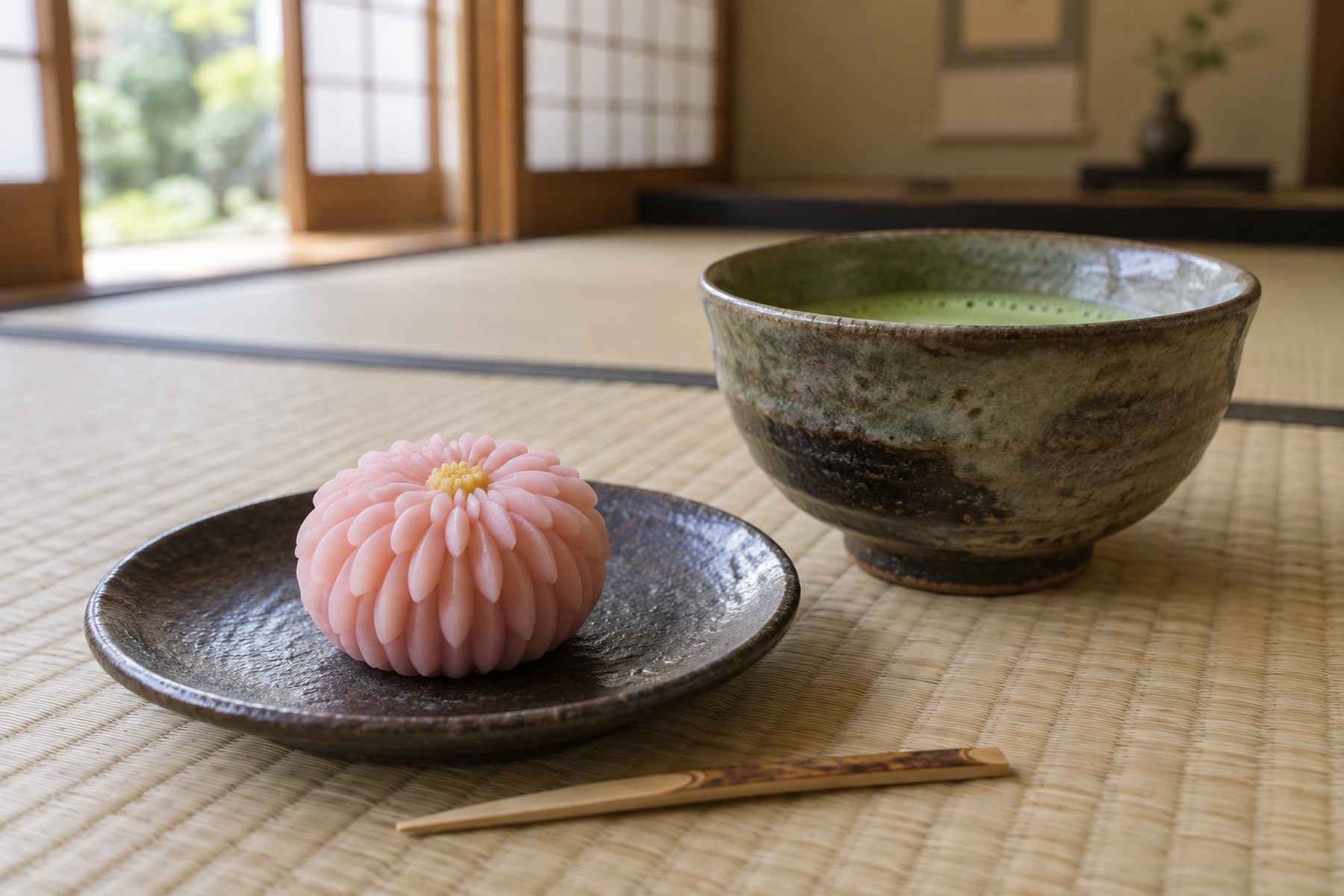
- Nerikiri: finely shaped seasonal wagashi often served with matcha.
- Matcha parfait: layers of ice cream, jelly, cream, bean paste, and other toppings.
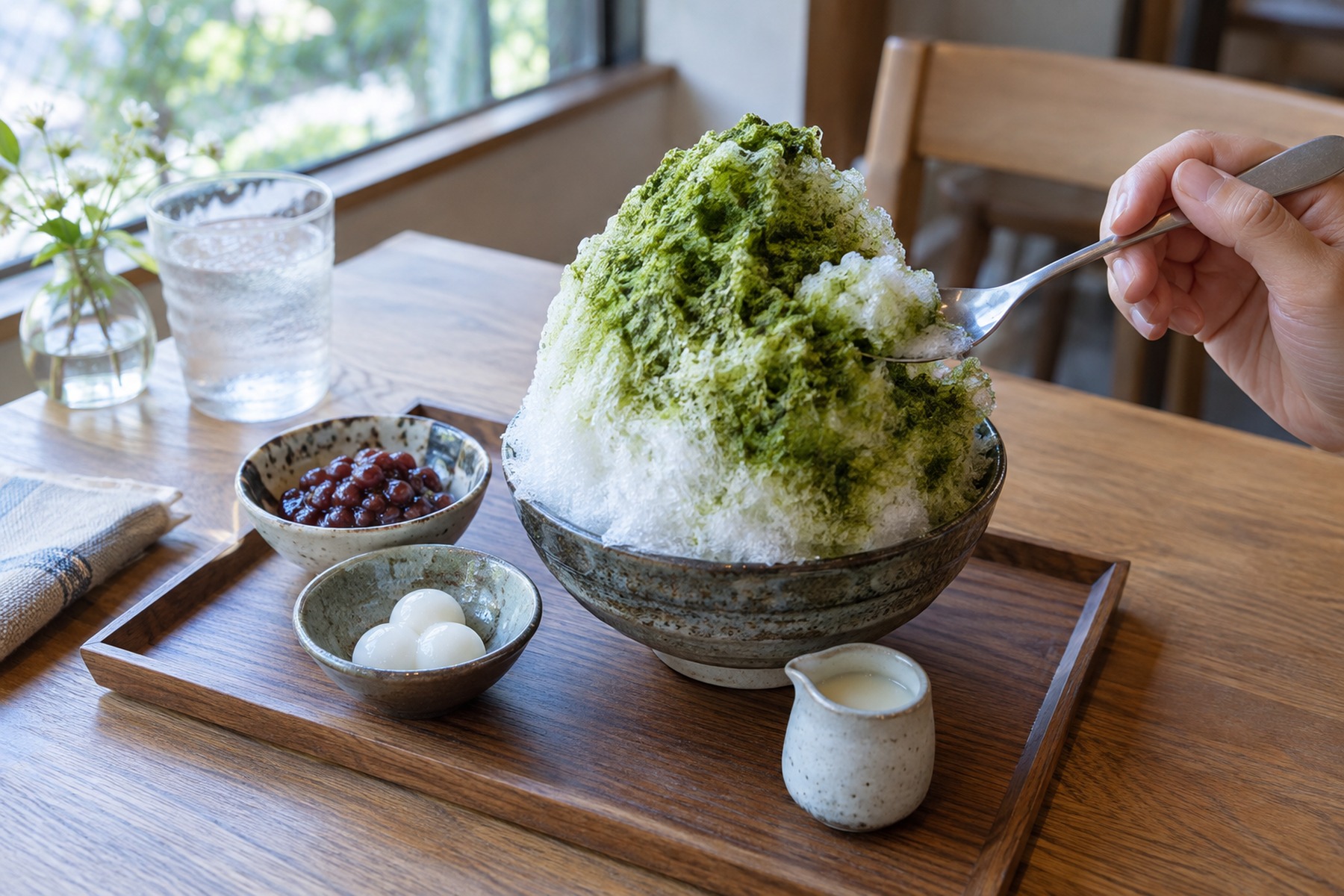
- Kakigori: finely shaved ice flavored with syrup and sometimes served with fruit, matcha, or condensed milk.
- Purin: Japanese custard pudding with caramel, widely available in cafés and convenience stores.
- Castella: moist sponge cake that travels more easily than chilled desserts.
Wagashi: Traditional Sweets Made for the Season
Wagashi is a broad category of traditional Japanese confectionery. Many pieces use bean paste, rice flour, agar, or sugar, but recipes and textures vary widely. Their shapes and colors often reflect flowers, weather, and other seasonal themes.
Nerikiri and other fresh wagashi are usually small, delicate, and best eaten soon after purchase. Yokan is firmer and easier to carry. Monaka combines crisp wafers with bean paste, while daifuku and dango emphasize chewiness. Pairing a sweet with unsweetened green tea or matcha helps balance the sweetness.
At a specialist shop, pointing to the display and saying “kore o hitotsu onegaishimasu” means “one of this, please.” Ask whether the sweet should be eaten the same day if you plan to carry it.
- Choose nerikiri for seasonal design and a tea-room experience.
- Choose daifuku for a soft, chewy texture.
- Choose yokan or individually wrapped sweets when portability matters.
- Do not assume every wagashi is vegan or gluten-free; ingredients and production methods differ.
Modern Café and Convenience-Store Desserts
Modern Japanese desserts often combine familiar pastries, custard, cream, fruit, chocolate, and Japanese flavors such as matcha, hojicha, black sesame, or sweet potato. Popular options include purin, roll cake, soufflé cheesecake, cream-filled choux pastry, fruit sandwiches, and layered parfaits.
Convenience stores are useful when cafés are closed or you want a low-cost hotel-room dessert. Selection changes frequently, so judge the item in front of you rather than searching for one exact product. Check the use-by date and keep chilled items refrigerated.
Cafés cost more but offer desserts that depend on texture and presentation, especially parfaits, pancakes, and freshly assembled matcha sweets. One café dessert is often large enough to be the main sweet of that day.
- Purin is a gentle first choice for travelers who dislike chewy textures.
- Matcha can taste grassy or bitter, especially when the dessert uses less sugar.
- Hojicha desserts are roasted and nutty rather than bright and vegetal.
- Fruit sandwiches and cream desserts need refrigeration and are poor choices for a long walking day.
Street Sweets: Eat Them Where You Buy Them
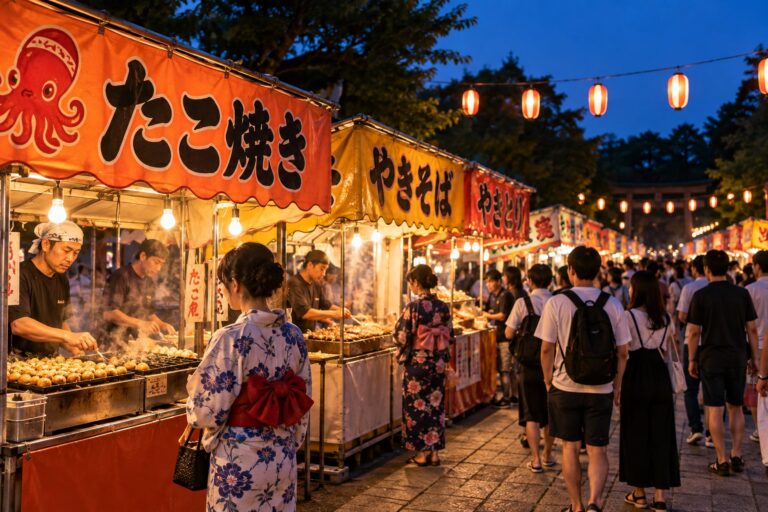
Taiyaki, imagawayaki, dango, and freshly baked sweet breads are common around shopping streets, temple approaches, markets, and event areas. Freshness matters: taiyaki is crispest soon after it leaves the mold, while dango can firm up as it cools.
Step away from the service window before eating so the queue can move. In Japan, walking while eating is discouraged in some crowded or traditional areas, but the practical rule is to follow local signs and use the shop’s designated eating space when one is provided.
Carry the wrapper until you find a bin. Public bins can be scarce, and a small sealable bag is useful for sticky paper or skewers.
- Choose red bean for the classic filling; custard is a milder alternative.
- Let very hot filling cool before taking a large bite.
- Return skewers or trays when the shop provides a collection point.
- Avoid feeding wildlife with crumbs near temples, parks, or tourist streets.
Seasonal Desserts and Kakigori
Seasonality is part of the appeal of Japanese desserts. Spring often brings sakura and strawberry themes; summer emphasizes jelly, citrus, and shaved ice; autumn highlights chestnut and sweet potato; winter counters often feature strawberry cakes and richer chocolate flavors.
Kakigori ranges from simple festival ice with syrup to large café creations layered with fruit, cream, bean paste, or tea-flavored sauce. Café portions can be surprisingly large, so check nearby tables before ordering one per person.
Tall shaved ice settles and melts quickly. Add side syrup gradually, eat from the upper edge with a spoon, and avoid pouring everything at once if the bowl is already full.
- Limited-time does not automatically mean better; choose flavors you actually enjoy.
- Ask about serving size when ordering premium kakigori.
- Very cold desserts can take longer to eat than expected, so do not schedule them just before a timed reservation.
- Seasonal availability varies by shop and region.
Where to Buy and How to Choose
Convenience stores are fastest, supermarkets are good for everyday value, department-store basement food halls offer many brands in one place, and independent wagashi shops provide the most focused traditional experience. Stations and airports are convenient for packaged regional gifts but are less suitable for a relaxed tasting.
Look at the display for storage notes and consumption dates. If a price is shown per piece, hold up one finger and point. At staffed counters, “osusume wa nan desu ka” asks what is recommended. Staff may not know every dietary restriction in English, so a translated allergy card is safer than relying on a casual conversation.
Cashless payment is common in larger stores, while small independent shops may have more limited options. Carry a backup payment method.
- Quick and inexpensive: convenience store or supermarket.
- Wide choice and gift wrapping: department-store food hall.
- Seasonal craft: specialist wagashi shop or tea room.
- Fresh street experience: shopping street or temple approach.
- Last-minute gifts: major station or airport shop.
Allergies and Dietary Restrictions
Appearance is not a reliable guide to ingredients. Japanese desserts may contain wheat, egg, milk, soy, sesame, peanuts or other nuts. Gelatin, alcohol-based flavoring, honey, and shared equipment may also matter depending on your diet.
Packaged foods carry ingredient and allergen information in Japanese. Restaurant and fresh-counter communication can be less standardized, and a shop may be unable to guarantee that traces are absent. If a reaction could be severe, use a clearly written Japanese allergy card and do not eat an item when the ingredients or cross-contact risk cannot be confirmed.
Mochi and similar sticky rice cakes require careful chewing. Take small bites, especially if swallowing is difficult.
- Check both the ingredient list and highlighted allergen section on packaged sweets.
- Ask about shared fryers, trays, and preparation tools when cross-contact matters.
- Treat “plant-based-looking” wagashi as unverified until ingredients are confirmed.
- Keep necessary medication with you and know how to call emergency services.
Desserts That Work as Souvenirs
The best souvenir sweet is not always the prettiest one. Choose sealed, clearly dated items that tolerate the remaining travel time. Castella, yokan, cookies, rice crackers, and many individually wrapped cakes are easier to carry than cream desserts, fresh fruit daifuku, or soft pastries.
Check storage instructions before buying. “Keep refrigerated” items need a realistic cold chain, and airport security or destination-country import rules may affect food carried across borders. The shop can advise on domestic handling, but customs rules depend on your destination.
Protect boxes from crushing by placing them near the top of a suitcase or in hand luggage. Keep the receipt and original packaging until arrival if the contents may need to be identified.
- Best for long travel: sealed, shelf-stable, individually wrapped sweets.
- Poor for long travel: cream, fresh fruit, melting chocolate, and delicate fresh wagashi.
- Confirm the use-by date, not just the purchase date.
- Check your destination’s customs rules before buying products with fresh fruit or animal-derived ingredients.
A Simple First-Day Dessert Route
Begin with purin or a small daifuku from a convenience store to learn what you like. During a shopping-street or temple-area walk, buy one freshly made taiyaki or dango and eat it nearby. Later, choose either a wagashi-and-tea set or a café dessert, not both, unless you are sharing.
Before returning to your hotel, visit a department-store food hall to see the wider range and choose one shelf-stable souvenir. This route covers everyday, street, traditional, and gift sweets without turning the day into a sugar marathon.
- Morning or first shop stop: small purin or daifuku.
- Walking break: one hot taiyaki or dango skewer.
- Afternoon: wagashi with tea or one café dessert.
- Evening: compare packaged souvenirs and check storage dates.
FAQ
What Japanese dessert should a first-time visitor try?
Start with dorayaki or purin if you prefer familiar textures, daifuku if you want something chewy, and taiyaki if you want a freshly baked street sweet. Add matcha ice cream or kakigori for a cold option.
Are Japanese desserts less sweet than Western desserts?
Some are restrained, but there is no universal rule. Traditional wagashi can be distinctly sweet because they are meant to balance unsweetened tea, while modern parfaits and cream desserts may be rich.
Where is the easiest place to buy Japanese desserts?
Convenience stores are easiest for everyday sweets. Department-store basement food halls are best for comparing many polished options, and specialist wagashi shops are best for seasonal traditional sweets.
Is mochi safe to eat?
Mochi is very sticky and should be cut or bitten into small pieces and chewed thoroughly. Anyone with swallowing difficulty should be especially cautious.
Can Japanese desserts be vegetarian, vegan, or gluten-free?
Some may fit those diets, but appearance is not proof. Wheat, egg, milk, gelatin, honey, alcohol-based flavoring, and shared equipment can all matter, so confirm ingredients for each item.
Which Japanese sweets are easiest to take home?
Sealed castella, yokan, cookies, rice crackers, and individually wrapped cakes are usually easier than chilled or fresh sweets. Check storage instructions, the use-by date, and your destination’s customs rules.
Related Japan Travel Guides

Official References
Final Thoughts
Do not try to complete a checklist in one afternoon. A better dessert experience mixes one everyday sweet, one freshly made item, and one seasonal or traditional choice. Notice texture, temperature, storage, and where the sweet is meant to be eaten; those details reveal as much about Japanese dessert culture as the flavor itself.