
Best Sushi Chains in Japan: Which Kaitenzushi Chain Should You Try?
A practical comparison of Sushiro, Kura Sushi, Hama Sushi, Uobei and Kappa Sushi, with ordering tips, budget advice and an easy first-visit strategy.
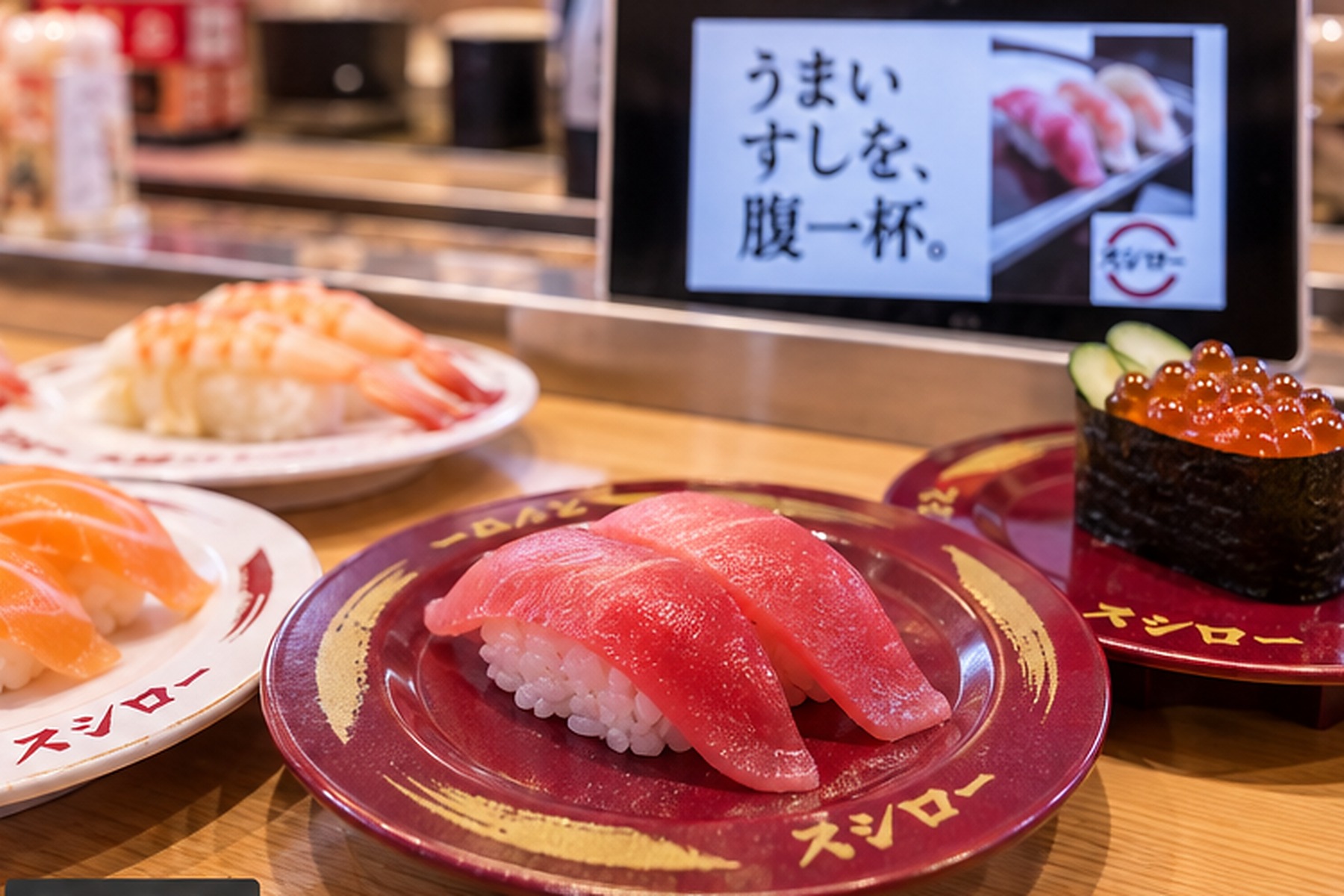
For most first-time visitors, Sushiro is the easiest all-round choice because it combines a broad menu with multilingual touch-panel ordering. Kura Sushi is especially fun for families, Uobei is excellent when you want fast order-to-seat delivery, Hama Sushi is strong for value and seasonal variety, and Kappa Sushi is useful for a straightforward menu with wasabi served separately. Prices, products and payment options can vary by branch, so check the local store page before making a special trip.
What You’ll Learn
- Which major sushi chain best fits your travel style
- How Sushiro, Kura Sushi, Hama Sushi, Uobei and Kappa Sushi differ
- How touch panels, order lanes, plates and checkout usually work
- How to control cost and handle allergies or dietary restrictions
The Best Chain Depends on What You Want
Japan’s large sushi chains are designed for casual, repeat visits, which makes them unusually easy for travelers. You can order a few plates at a time, compare prices before committing, and add cooked food, soup or dessert if someone in the group does not want raw fish.
Do not treat this as a search for one universal winner. The smarter choice is the branch that matches your priority and is convenient to your route. A nearby major chain with a short wait is usually a better travel decision than crossing a city for a small difference in menu style.
- Best all-round first visit: Sushiro.
- Best for families and a playful dining system: Kura Sushi.
- Best for fast made-to-order delivery: Uobei.
- Best for value-focused seasonal browsing: Hama Sushi.
- Best for a simple no-wasabi-by-default menu and smartphone-order support at participating stores: Kappa Sushi.
How Major Sushi Chains Work
Modern kaitenzushi is not always just a belt carrying random plates around the room. Many branches now rely heavily on touch panels, smartphone ordering or dedicated delivery lanes that bring ordered dishes directly to your seat.
The exact flow differs by chain and branch, but the basic sequence is similar: check in, take the assigned seat, order a few dishes, watch the screen or lane for delivery, then follow the restaurant’s plate-counting and checkout process. If anything on the belt or delivery system is unclear, use the order screen rather than touching a plate you are not taking.
- Order only a few plates first while you learn the system.
- Do not return a plate after taking it.
- Keep hands and belongings away from moving lanes.
- Use the on-screen bill or checkout button when available.
Sushiro: Best All-Round Choice for a First Visit
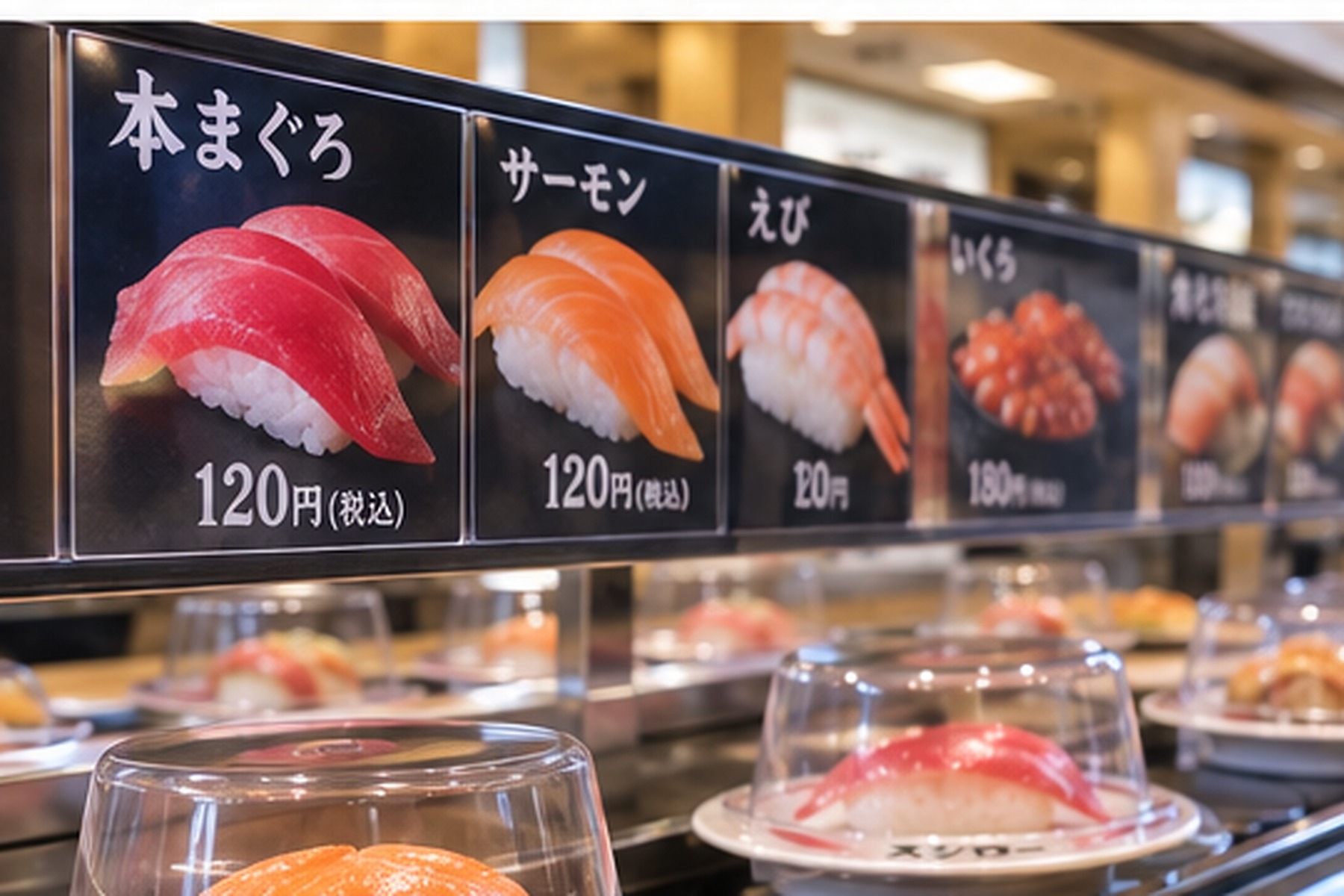
Sushiro is the easiest recommendation when you want one major chain that works well for a first attempt. Its official English guidance highlights a menu of more than one hundred sushi and side-dish choices, multilingual touch panels and cashless payment support.
That combination makes it easy to start with familiar nigiri such as tuna, salmon or shrimp, then add a side dish or dessert without needing much Japanese. Sushiro also notes that items, prices and some payment details can vary by store, so use the branch information rather than assuming every location is identical.
- Good for: first-time visitors, mixed groups and travelers who want a broad menu.
- Ordering advantage: multilingual touch panels are specifically promoted by the chain.
- Watch for: branch-specific prices and payment exceptions.
Kura Sushi: Best for Families and an Interactive Meal
Kura Sushi puts more entertainment into the chain-sushi experience. Its official first-time guide explains that customers can order from a touch panel or their own smartphone, with ordered dishes delivered on an order lane.
The chain is also known for Bikkura Pon, a game system linked to returned plates. That makes Kura particularly appealing for families or travelers who want the meal itself to feel like an activity rather than simply a quick lunch.
- Good for: families, groups and anyone who wants a playful kaitenzushi experience.
- Ordering advantage: touch-panel and smartphone ordering with an order lane.
- Useful detail: the official guide explains the plate-return and game system.
Hama Sushi: Best for Value Hunters and Seasonal Variety
Hama Sushi is a practical choice when you enjoy scanning a large menu for affordable standards plus rotating specials. Its official menu separates nigiri, seared sushi, gunkan, side dishes, desserts and drinks, and it regularly highlights limited-time items.
The chain also promotes app-based visit reservations and touch-panel ordering. Because campaign items and some urban-store prices can differ, compare the menu at the branch you intend to visit instead of building your budget around one promotional price.
- Good for: budget-conscious travelers and people who enjoy seasonal specials.
- Ordering advantage: touch-panel ordering and app reservation support.
- Watch for: limited-time items, sold-out dishes and location-based price differences.
Uobei: Best for Fast Order-to-Seat Delivery
Uobei is a strong choice if you want the efficiency of chain sushi without relying on plates circulating in front of you. Official Genki Sushi group information describes Uobei as a fully order-based restaurant where every seat has a touch panel and products travel to the table on high-speed lanes.
This format is particularly easy for solo travelers and anyone who prefers to order exactly what they want. It also reduces the need to decide whether a passing plate is yours or available to take.
- Good for: solo travelers, quick meals and people who prefer order-only service.
- Ordering advantage: touch panels at the seats and high-speed delivery lanes.
- Best strategy: order two or three dishes at a time and add more as needed.
Kappa Sushi: Best for Straightforward Customization
Kappa Sushi’s official English menu states that its items are served without wasabi, which is useful for travelers who prefer to add their own. The chain also publishes allergen, origin and ingredient information from its menu pages.
At participating stores, Kappa Sushi supports ordering from a customer’s smartphone after scanning a code from the table system. Availability of smartphone ordering and prices varies by location, so check the store rather than assuming the feature is universal.
- Good for: diners who want wasabi controlled separately and clear menu information.
- Ordering advantage: smartphone ordering is available at participating branches.
- Useful detail: the official menu links allergen, origin and ingredient information.
What to Order on Your First Visit
Start with recognizable items before moving into seasonal or unfamiliar fish. Tuna, salmon, shrimp and tamago are easy reference points, and cooked or seared selections can help someone who is hesitant about raw seafood.
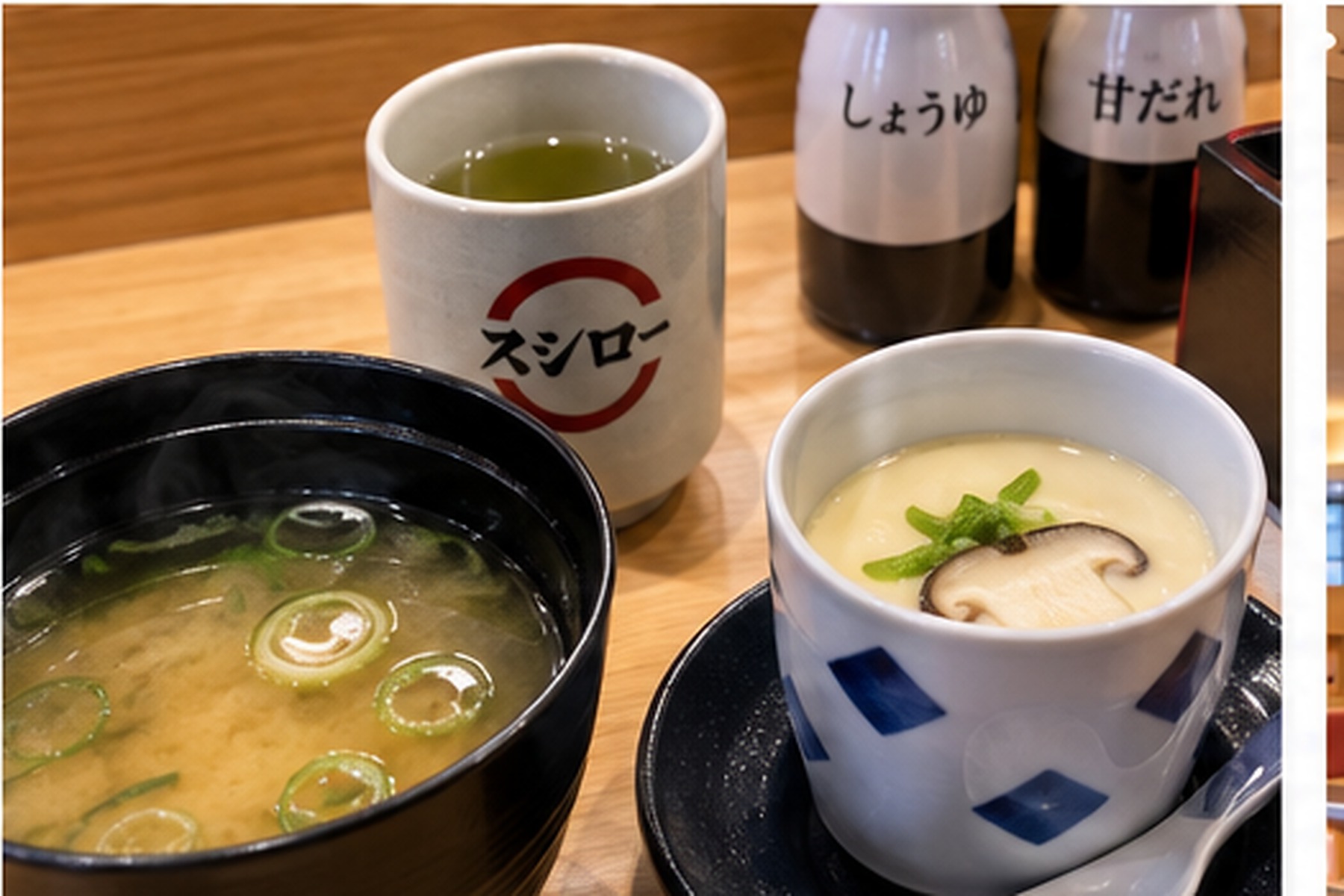
Chain menus usually go far beyond nigiri. Miso soup, chawanmushi, noodles, fried dishes and desserts make it easy to build a meal for people with different appetites.
- First plate: tuna or salmon to establish a baseline.
- Second plate: shrimp, squid, white fish or another simple nigiri.
- One warm side: miso soup or chawanmushi.
- One seasonal item: only after you have checked the price and description.
Ordering, Wasabi and Soy Sauce
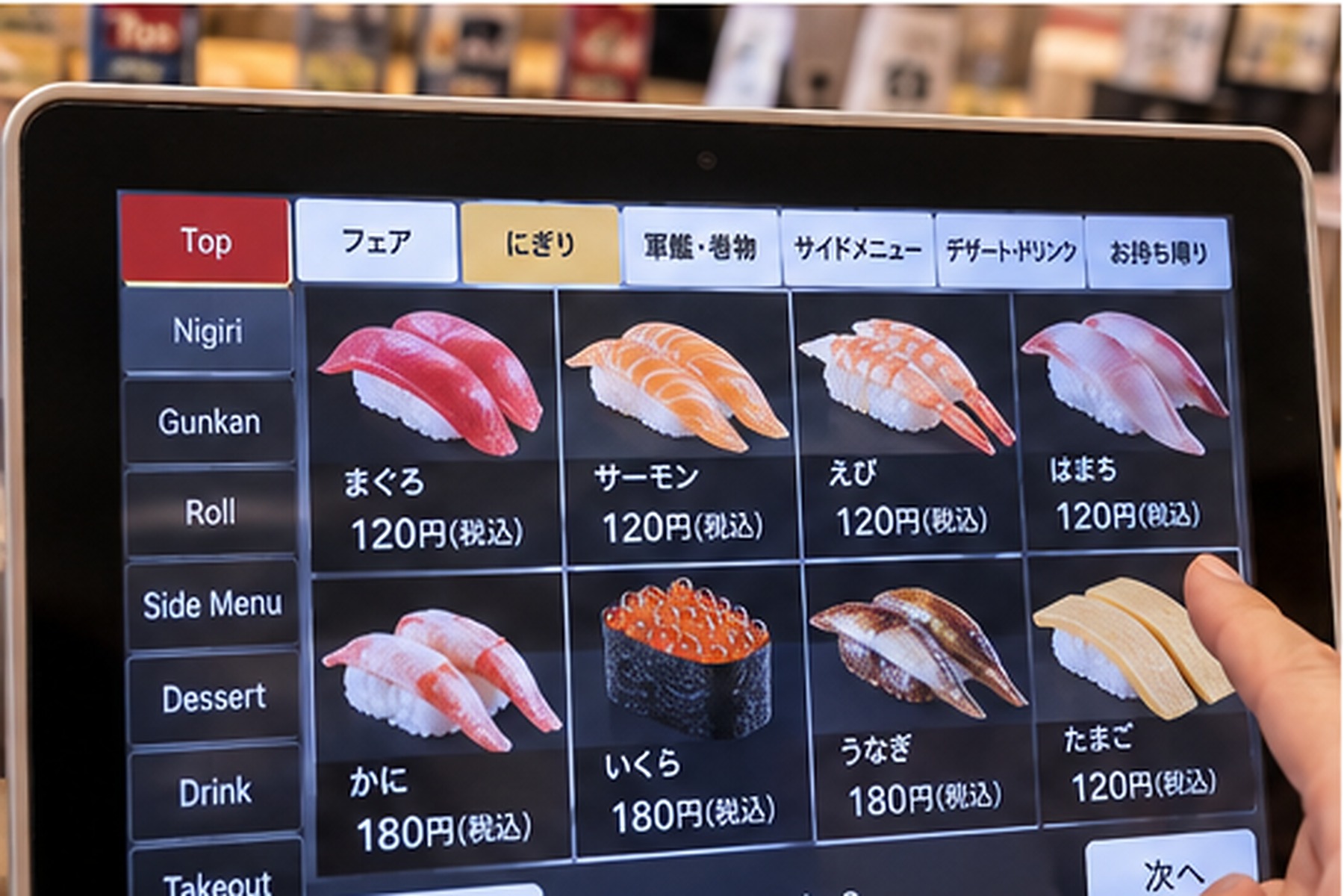
Use the language option on the screen when available, then order by picture and category. Do not order a large stack immediately; a few dishes at a time keeps the table clear and helps you understand how the delivery notification works.
Wasabi handling differs by chain and product. Kappa Sushi explicitly serves items without wasabi, while other chains may provide wasabi separately or vary by item. Use soy sauce lightly and avoid filling a dish with more than you will use.
- Check whether the screen has an English or multilingual option.
- Wait for the order notification before taking a delivered plate.
- Add wasabi yourself when it is supplied separately.
- Do not touch plates or food that you are not taking.
Budget Control: Watch the Plate and Menu Price
Chain sushi is affordable only if you keep track of what you order. Basic plates can be inexpensive, but premium fish, limited-time dishes, alcohol, desserts and side dishes can raise the bill quickly.
Prices can differ by branch, especially in urban locations, and promotional prices change. Use the current menu displayed for that restaurant as the source of truth. A simple budget strategy is to begin with standard nigiri, add one premium item, then decide whether you still want sides or dessert.
- Check the displayed price before ordering each unfamiliar plate.
- Do not assume every plate color or category costs the same.
- Treat premium and limited-time items as deliberate choices.
- Review the on-screen order total when the restaurant provides one.
Allergies, Dietary Needs and Cooked Options
Major chains publish allergen information, but sushi restaurants still use shared kitchens, sauces and preparation areas. Soy, wheat, egg, shellfish and other allergens can appear in toppings, sauces, side dishes or processed ingredients even when the main fish looks simple.
Vegetarian travelers should also check carefully because dashi, sauces and side dishes may contain fish-based ingredients. If an allergy could cause a serious reaction, use the chain’s current allergen information and ask staff rather than relying on appearance or an automatic translation.
- Open the chain’s current allergen page before ordering if you have a serious allergy.
- Check sauces and side dishes as carefully as the sushi topping itself.
- Choose cooked items only when the ingredient information also fits your needs.
- Do not assume cucumber, egg or vegetable-looking dishes are automatically vegetarian.
The Easiest First-Visit Strategy
Pick the chain that is already near your sightseeing route, check the wait and menu, and keep the first order small. Sushiro is the safest general recommendation; Kura is the better choice when family entertainment matters; Uobei suits a fast, order-only meal; Hama Sushi is good for browsing value and seasonal items; and Kappa Sushi is straightforward when you want wasabi separate.
If the restaurant is packed, use the branch search or reservation tools where available rather than waiting indefinitely. The goal is to enjoy sushi without turning a casual meal into a major logistics problem.
- Choose location and wait time before brand loyalty.
- Order two or three dishes first.
- Add one side or dessert only after checking the running total.
- Use the official store page for opening hours, menu differences and payment details.
FAQ
Which sushi chain in Japan is best for first-time visitors?
Sushiro is the easiest all-round recommendation because it combines a broad menu with multilingual touch-panel ordering. Kura Sushi is also very approachable, especially for families.
Is Kura Sushi better than Sushiro?
Neither is universally better. Choose Sushiro for a straightforward first visit and broad menu; choose Kura Sushi when the interactive order lane and plate-game experience appeal to you.
Is Uobei a conveyor-belt sushi restaurant?
Uobei uses a fully order-based format at its seats, with dishes delivered on high-speed lanes rather than depending on a continuous belt of available plates.
Do Japanese sushi chains have English menus?
Many major chains provide multilingual or picture-based ordering, but language support can vary by location and system. Sushiro specifically promotes multilingual touch panels.
How much should I budget for chain sushi in Japan?
There is no single reliable total because plate prices, premium items and branch pricing vary. Check the current menu, start with standard plates, and monitor the running total before adding premium dishes, drinks or desserts.
Are sushi chains safe for people with food allergies?
Major chains publish allergen information, but shared preparation and sauces still matter. For a serious allergy, use the chain’s current allergen information and ask staff when anything is unclear.
Related Japan Travel Guides


Official References
Final Thoughts
For most travelers, the best sushi chain is the one that fits the moment. Start with Sushiro if you want the simplest all-round first visit, Kura Sushi for a more playful family meal, Uobei for fast order-only delivery, Hama Sushi for value and seasonal browsing, or Kappa Sushi for a straightforward menu with wasabi served separately. Check the branch’s current menu and wait, order a few plates at a time, and let convenience—not brand chasing—decide the rest.