
Japanese Convenience Store Food Guide: What to Buy and How to Use Konbini
A practical guide to Japanese convenience store food, from onigiri and sandwiches to hot snacks, bento, drinks, labels, heating, payment and easy meal planning.
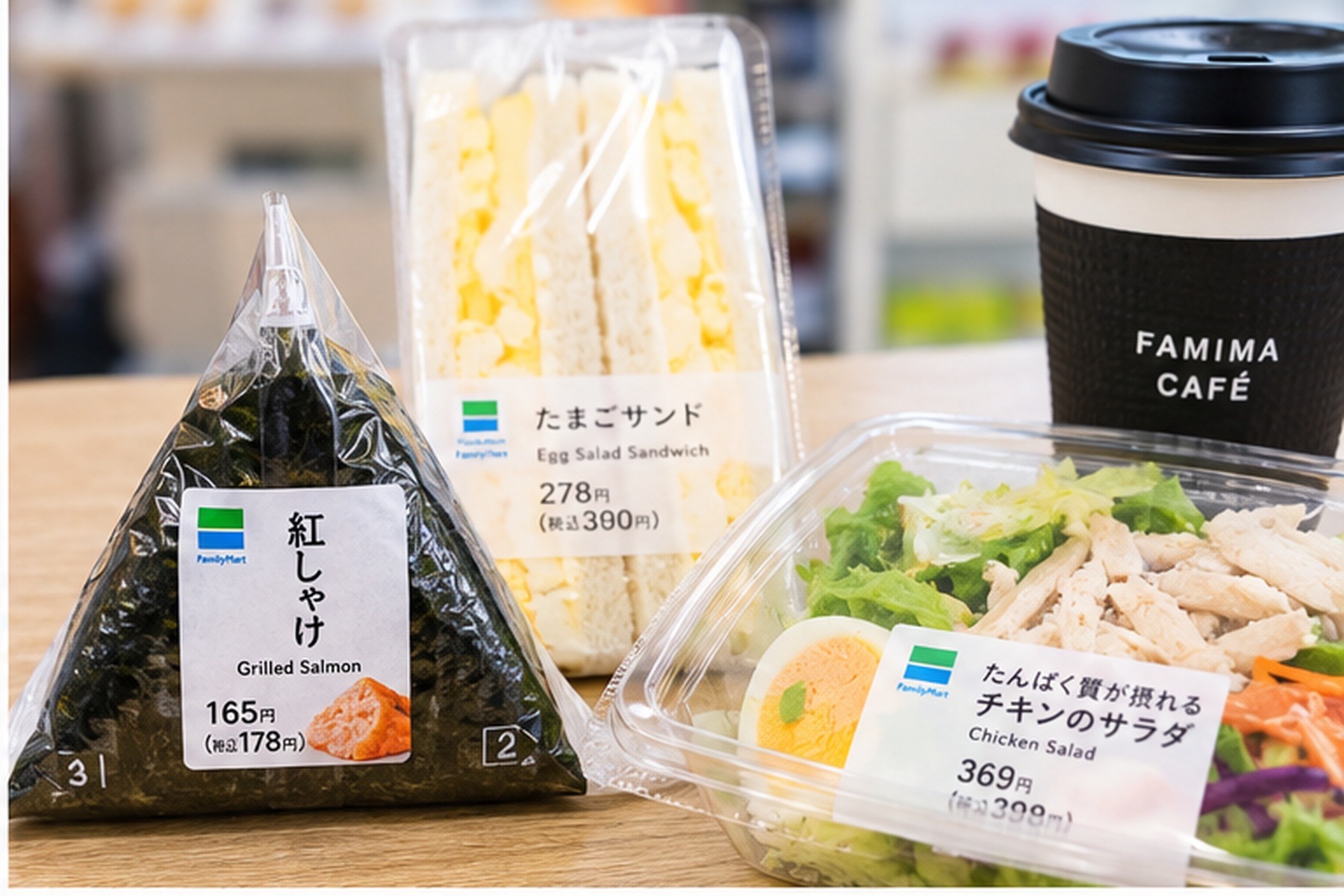
For an easy first konbini meal, choose one onigiri or sandwich, add a hot snack or salad if you need more food, and pick water, tea or coffee. Bento, pasta and rice bowls work well for a fuller hotel meal. Check whether refrigerated meals should be heated, read the package for allergens and storage instructions, and keep a payment backup because accepted cashless methods can vary.
What You’ll Learn
- Which konbini foods are easiest for breakfast, snacks and full meals
- How to choose onigiri, hot snacks, bento, drinks and desserts
- What to know about heating, labels, allergies and dietary needs
- How to handle payment and build a simple travel-day food plan
Why Convenience Stores Are So Useful for Travelers
Japanese convenience stores are most useful when timing matters: an early start, a late hotel arrival, a quick breakfast, a short sightseeing break or a simple meal when you do not want to wait for a restaurant. The food range is much broader than snacks alone, with rice balls, sandwiches, salads, ready meals, hot foods, desserts and drinks commonly grouped into easy-to-understand sections.
Use konbini food as a travel tool rather than a substitute for every meal. It works best when it removes friction from a busy day, while restaurants, markets and regional specialties remain the better choice for meals you want to make part of the trip itself.
- Early morning: onigiri, sandwiches, yogurt, fruit and coffee.
- Sightseeing break: a small snack and bottled drink.
- Late arrival: bento, pasta, rice bowl, salad or soup.
- Hotel evening: combine a main dish, side and dessert instead of buying random snacks.
Best Foods to Try First
A first visit is easier if you start with foods that are portable and visually easy to understand. Onigiri, egg sandwiches, fried chicken, bento, bottled tea and simple desserts cover the main konbini experience without requiring a complicated order.
Do not feel pressure to buy a viral item or a large haul. Stock changes by chain, store and time of day, so treat the shelves as a menu and choose what suits your next few hours.
- Onigiri: compact rice snack with fillings such as salmon, tuna mayonnaise, kombu or pickled plum.
- Sandwiches: useful for breakfast or a light lunch.
- Hot snacks: fried chicken, croquettes and other counter items vary by store.
- Bento and rice meals: a practical full meal when you can heat and eat them soon.
- Salads and side dishes: useful for balancing a heavier main.
- Desserts: an easy way to try seasonal flavors without planning a separate cafe stop.
Onigiri and Sandwiches for Fast Meals
Onigiri is one of the most practical foods for a travel day because it is small, filling and easy to carry. Many seaweed-wrapped versions use a numbered package-opening system designed to keep the nori separate from the rice until you open it.
Sandwiches are equally straightforward when you want something familiar. Egg salad is widely recognized by visitors, but the refrigerator usually contains several fillings, so look at the package and ingredient information rather than assuming two similar-looking products are the same.
- Follow the numbered arrows on crisp-seaweed onigiri packaging.
- Keep chilled items refrigerated until you are ready to eat them.
- Choose a smaller portion if you are about to start a long walk or a restaurant meal.
Hot Snacks Near the Register
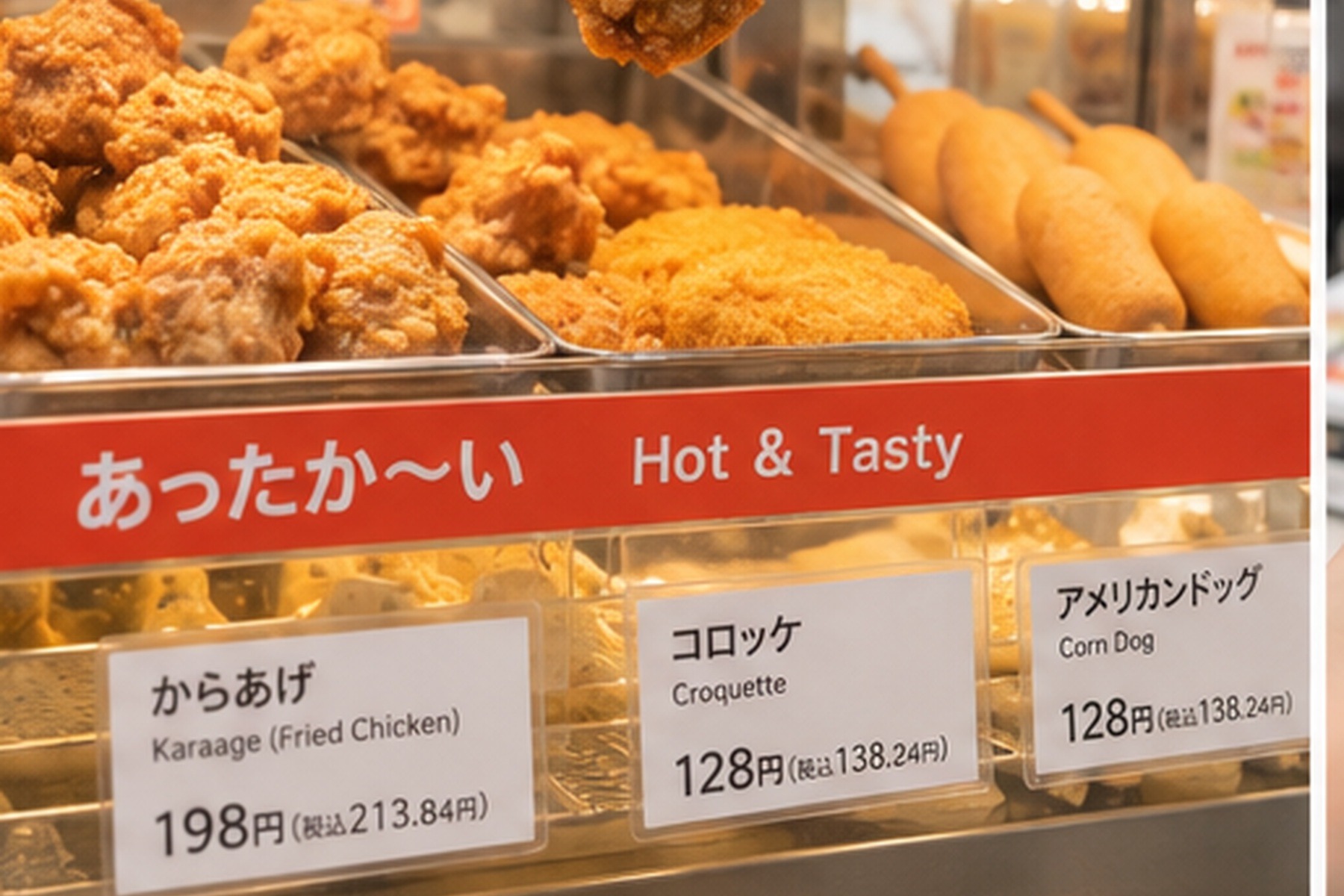
Hot cabinets near the register may contain fried chicken, croquettes, steamed buns or other seasonal items. The exact range depends on the chain and store, and some products sell out during busy periods.
If you cannot say the product name, pointing to the item is usually simpler than trying to describe it. Buy hot food when you are ready to eat it rather than carrying it around for hours.
- Check the display before queuing so you know what you want.
- Ask for one item at a time if you are sampling several foods.
- Be careful with freshly heated fillings and fried coatings.
Bento, Pasta and Ready Meals
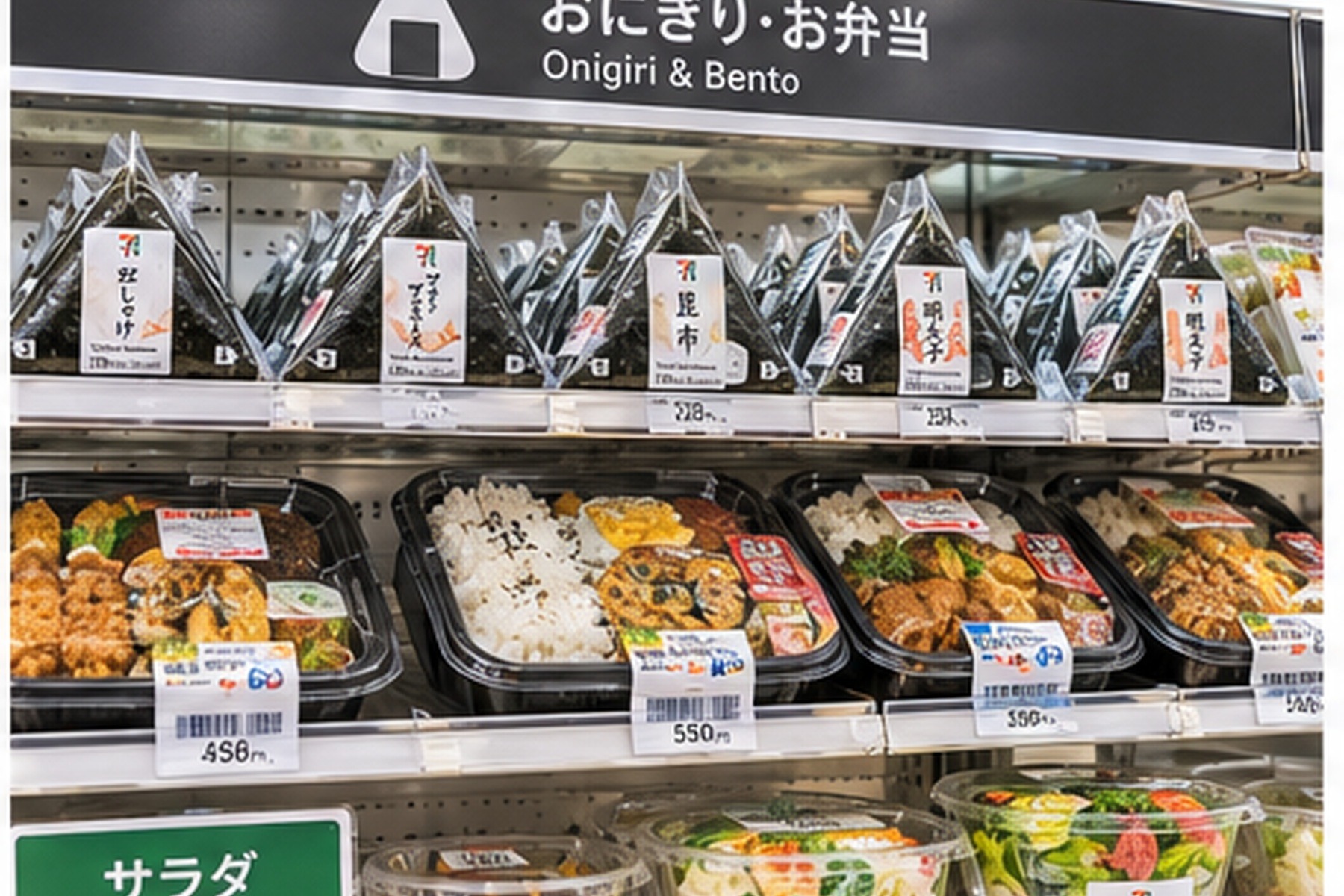
Refrigerated shelves are where konbini becomes a real meal option. Bento boxes, pasta, curry, rice bowls, noodles, soups, salads and side dishes let you build a complete lunch or hotel dinner with very little planning.
Some ready meals are designed to be heated while others are eaten cold. Heating service and self-service equipment can vary by store, so check the packaging and follow the staff or store instructions rather than assuming every item is handled the same way.
- For a fuller meal, pair one main with a salad or small side.
- Keep cold foods cold until you are ready to eat them.
- If you need heating, ask before leaving the store.
- Check the use-by or best-before information when buying food for later.
Drinks and Desserts
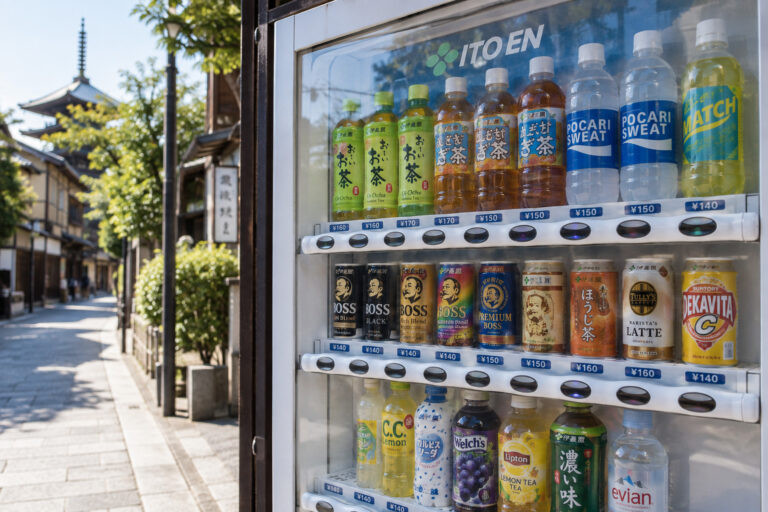
Convenience stores make hydration easy because bottled water, tea, coffee and other drinks are widely stocked. JNTO specifically notes that convenience stores sell bottled water in multiple sizes, which is useful during long walking days.
Japanese bottled tea is often unsweetened, so check the label if you expect a sweet drink. Desserts are best treated as a rotating bonus: puddings, cream desserts, cakes, ice cream and seasonal products change frequently.
- Water: the safest default for long sightseeing days.
- Bottled tea: common and often unsweetened.
- Coffee: convenient for early departures and short breaks.
- Dessert: choose one seasonal item rather than buying several just because they are limited.
Food Labels, Allergies and Dietary Needs
Packaged foods sold in Japan carry required food information in Japanese. The Consumer Affairs Agency provides English guidance explaining Japan's food-labelling system and an English food-allergy communication sheet for overseas visitors.
If you have a serious allergy, do not rely only on the front image, product name or automatic translation. Check the full ingredient and allergen information, consider cross-contact, and choose another product when you cannot confirm what you need. Vegetarian and halal travelers should also be cautious with hidden fish stock, meat extracts, gelatin, alcohol-based seasonings and shared preparation.
- Use the ingredient and allergen panel, not appearance alone.
- Download the Consumer Affairs Agency allergy communication sheet before you need it.
- For strict dietary rules, keep a backup option that you already know is suitable.
- When uncertainty is significant, skip the item rather than guessing.
Where to Eat Your Konbini Food
The easiest places are usually your hotel, a designated seating area or another location where eating is clearly appropriate. Some convenience stores have eat-in space, while others do not, and local store layouts can change.
For trains, match the food to the setting. Portable, low-mess items suit longer trips better than soups or strongly scented hot food, while a full meal is best avoided on a crowded local commuter train.
- Use an eat-in area only when the store provides one.
- Avoid blocking entrances, sidewalks or narrow spaces while eating.
- Keep wrappers together and dispose of them at an appropriate bin.
- Choose compact foods for travel days when you may not have a table.
Payment and Checkout
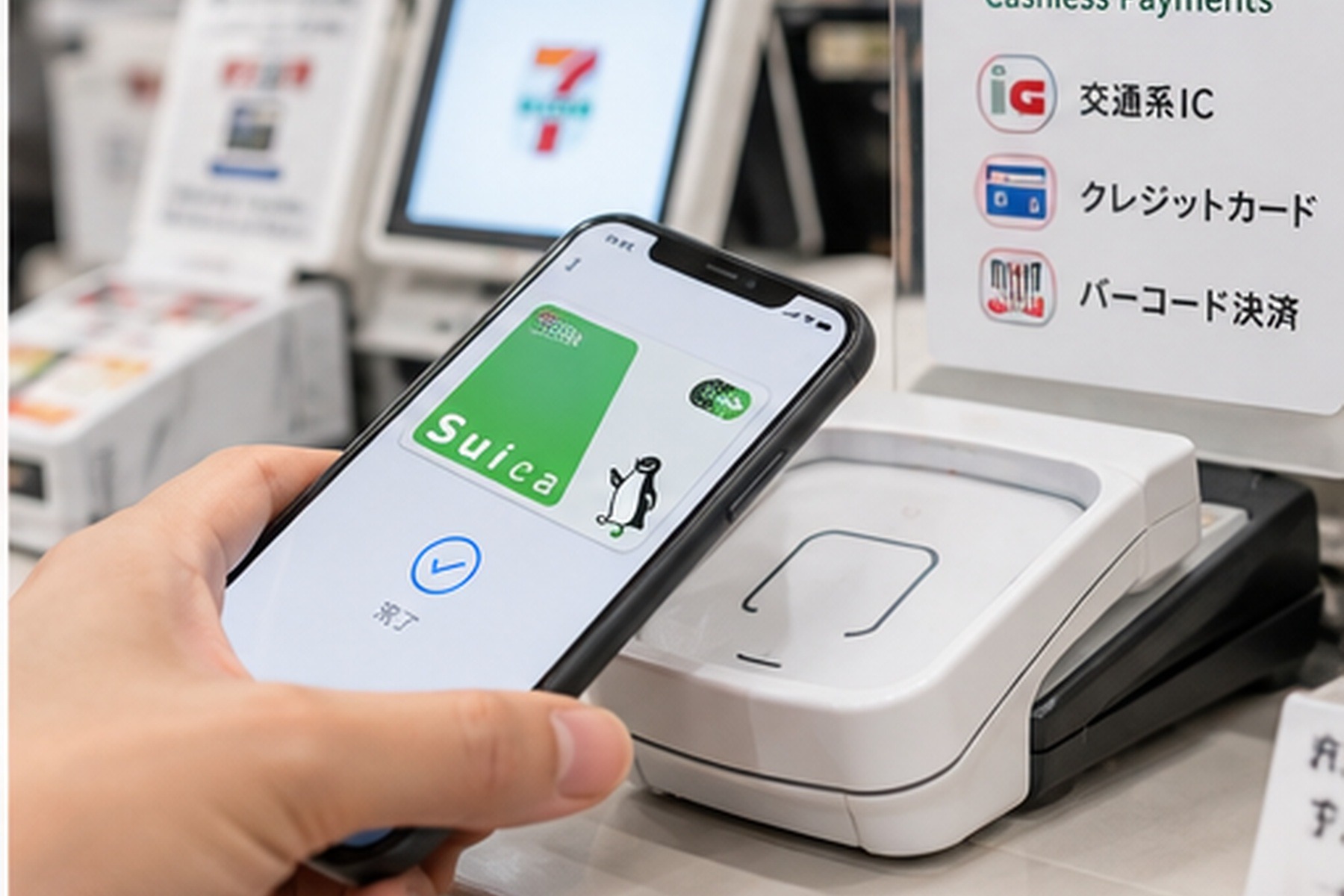
Major convenience stores typically offer several payment methods, but the exact cards, transit IC options, QR services and self-checkout features can vary by chain and store. Watch the terminal prompts and staff instructions instead of assuming every register works the same way.
A practical traveler setup is one primary card or mobile payment method plus some Japanese cash as backup. If you are unsure whether a method is accepted, show the card or phone before completing the transaction.
- Keep cash as a backup even when you prefer cashless payment.
- Choose the payment method on the terminal when prompted.
- Do not hold up the line trying several unsupported methods in succession.
- Keep the receipt until you have checked the purchase.
A Simple Konbini Meal Plan
The easiest way to avoid overbuying is to assign each item a role. Choose one main, one optional side, one drink and, if you want it, one dessert. This gives you a proper meal without turning a convenience-store stop into a bag of unrelated snacks.
For breakfast, an onigiri or sandwich plus yogurt or fruit and a drink is enough for many travelers. For a hotel dinner, use a bento or rice meal as the main and add a salad, soup or dessert only if you are still hungry.
- Breakfast: onigiri or sandwich + yogurt or fruit + coffee or tea.
- Train-day snack: onigiri or sandwich + bottled drink.
- Hotel dinner: bento or rice meal + salad or side + water or tea.
- Late-night light meal: soup, small rice item or sandwich rather than several fried foods.
FAQ
What should I try first at a Japanese convenience store?
Start with an onigiri, egg sandwich or hot fried-chicken item, then add bottled tea or coffee. If you need a full meal, choose a bento, pasta or rice bowl.
Can convenience store staff heat my food?
Many ready meals can be heated, but the process varies by store and product. Check the package and ask before leaving if you want the meal warmed.
Are Japanese convenience stores good for breakfast?
Yes. They are particularly useful for early starts because onigiri, sandwiches, yogurt, fruit, pastries, tea and coffee are easy to buy quickly.
Can I eat konbini food on trains?
Match the food to the train. Compact, low-mess food is easier on longer journeys, while full meals and strong-smelling food are best avoided on crowded local commuter trains.
Are convenience stores easy for vegetarians or halal travelers?
They can provide useful backup foods, but strict diets require careful label checking. Some apparently simple foods may contain fish stock, meat extracts, gelatin or alcohol-based seasonings.
How should I check food allergies in Japan?
Read the packaged-food allergen information and use the Consumer Affairs Agency's English food-labelling guidance and allergy communication sheet. For severe allergies, do not eat an item when ingredients or cross-contact risk cannot be confirmed.
Related Japan Travel Guides
Official References
Final Thoughts
Japanese convenience stores work best when they solve a real travel problem: breakfast before an early start, a portable snack, a quick lunch, a drink break or an uncomplicated hotel meal. Choose a few items with clear roles, follow heating and storage instructions, check labels when dietary needs matter, and save your memorable food experiences for the restaurants, markets and regional dishes that deserve more time.