
Japanese Ramen Guide: Styles, Ordering and Shop Etiquette
A practical guide to ramen in Japan, covering broth and seasoning styles, noodles, toppings, regional bowls, ordering, dietary restrictions, tsukemen and shop etiquette.
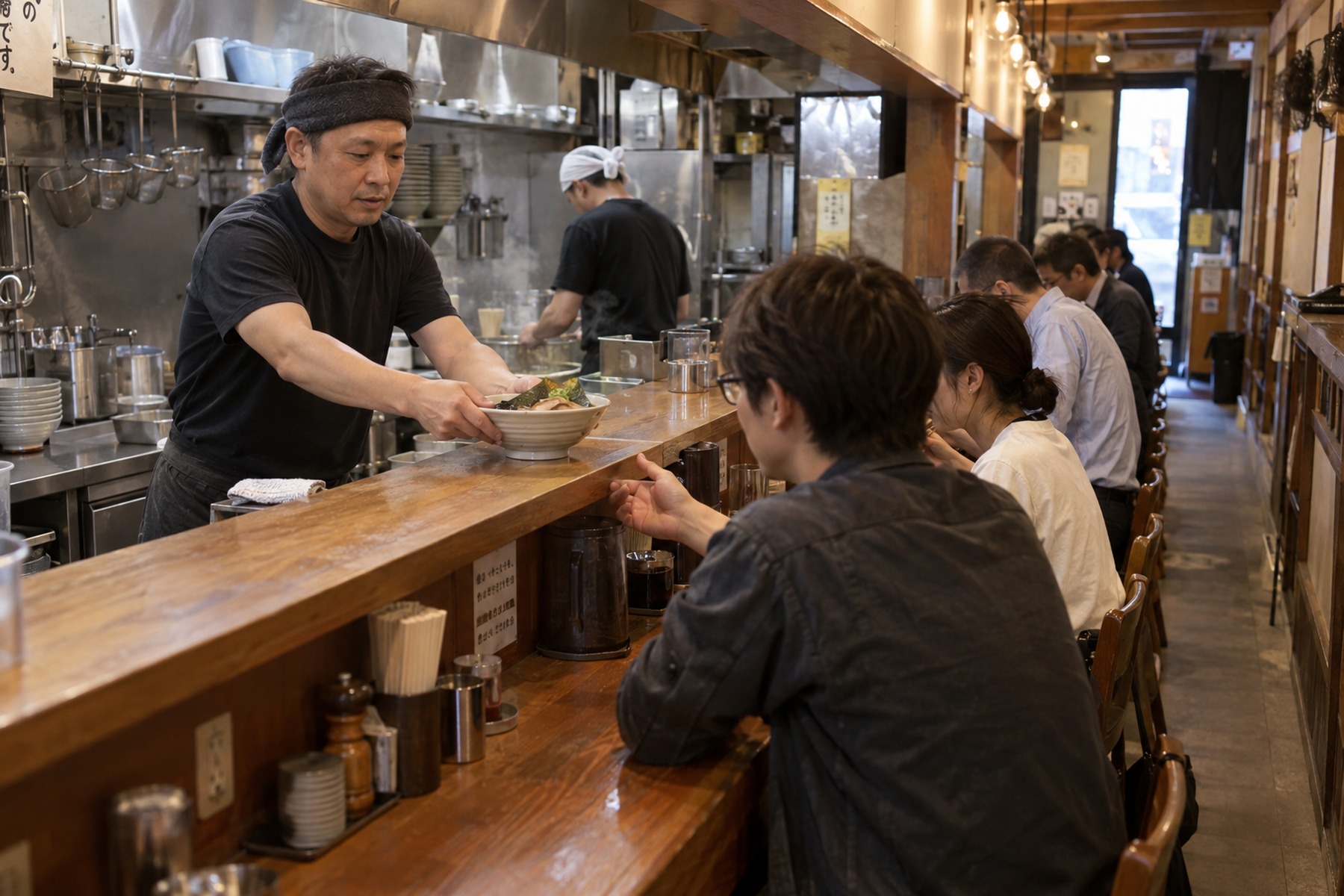
Choose the shop’s specialty when you are unsure. Shoyu is usually a balanced first bowl, shio often tastes lighter and clearer, miso is savory and robust, and tonkotsu is rich and creamy. These names do not describe the same layer of ramen: shoyu, shio and miso usually identify the seasoning, while tonkotsu identifies a pork-bone broth, so combinations such as tonkotsu shoyu are normal. Order the base bowl before adding extras and eat it soon after it arrives.
What You’ll Learn
- How broth, seasoning, aroma oil, noodles and toppings form one bowl
- How shoyu, shio, miso and tonkotsu differ
- Which regional ramen styles are useful to recognize
- How to order at staff counters and meal-ticket shops
- What to check for allergies, vegetarian needs and halal diets
How a Bowl of Ramen Is Built
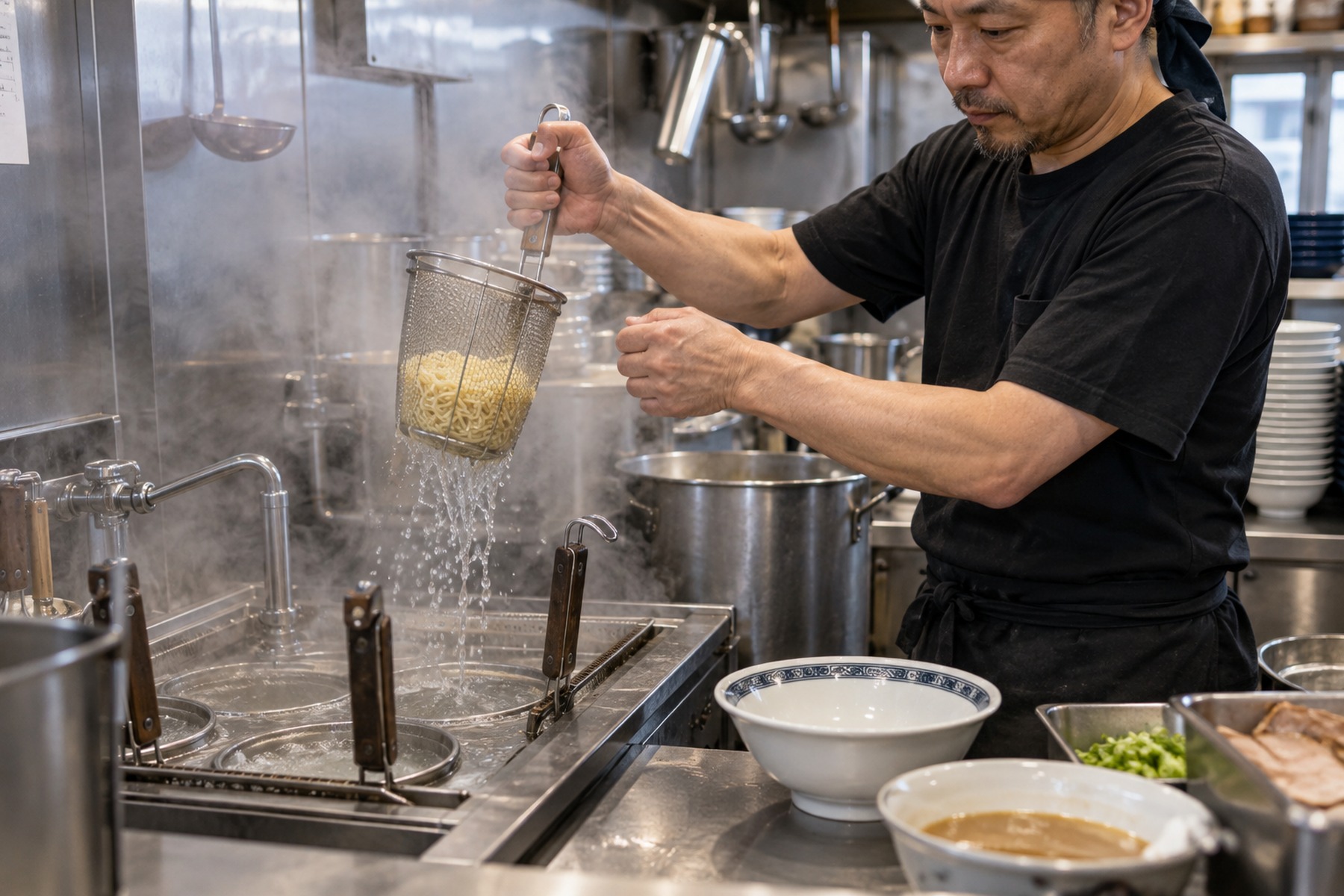
A ramen bowl is usually assembled from several separate components: soup stock, concentrated seasoning called tare, aromatic oil, noodles and toppings. The final taste comes from their balance rather than from one ingredient alone.
The stock may use pork, chicken, fish, shellfish, dried seafood, vegetables or a mixture. Tare supplies much of the salt and flavor direction, while aroma oil carries scents such as chicken fat, garlic or sesame. This is why two bowls called shoyu ramen can taste completely different.
A shop often designs its noodle thickness and firmness for a particular soup. Start with the standard bowl so you can understand that combination before adding strong condiments or many toppings.
- Stock: the liquid base made from animal, seafood or vegetable ingredients.
- Tare: concentrated seasoning based on soy sauce, salt, miso or another blend.
- Aroma oil: a small layer that adds fragrance, richness and heat retention.
- Noodles: chosen for thickness, shape, hydration and texture.
- Toppings: meat, egg, bamboo shoots, seaweed, scallions and regional additions.
Choose by Flavor and Richness
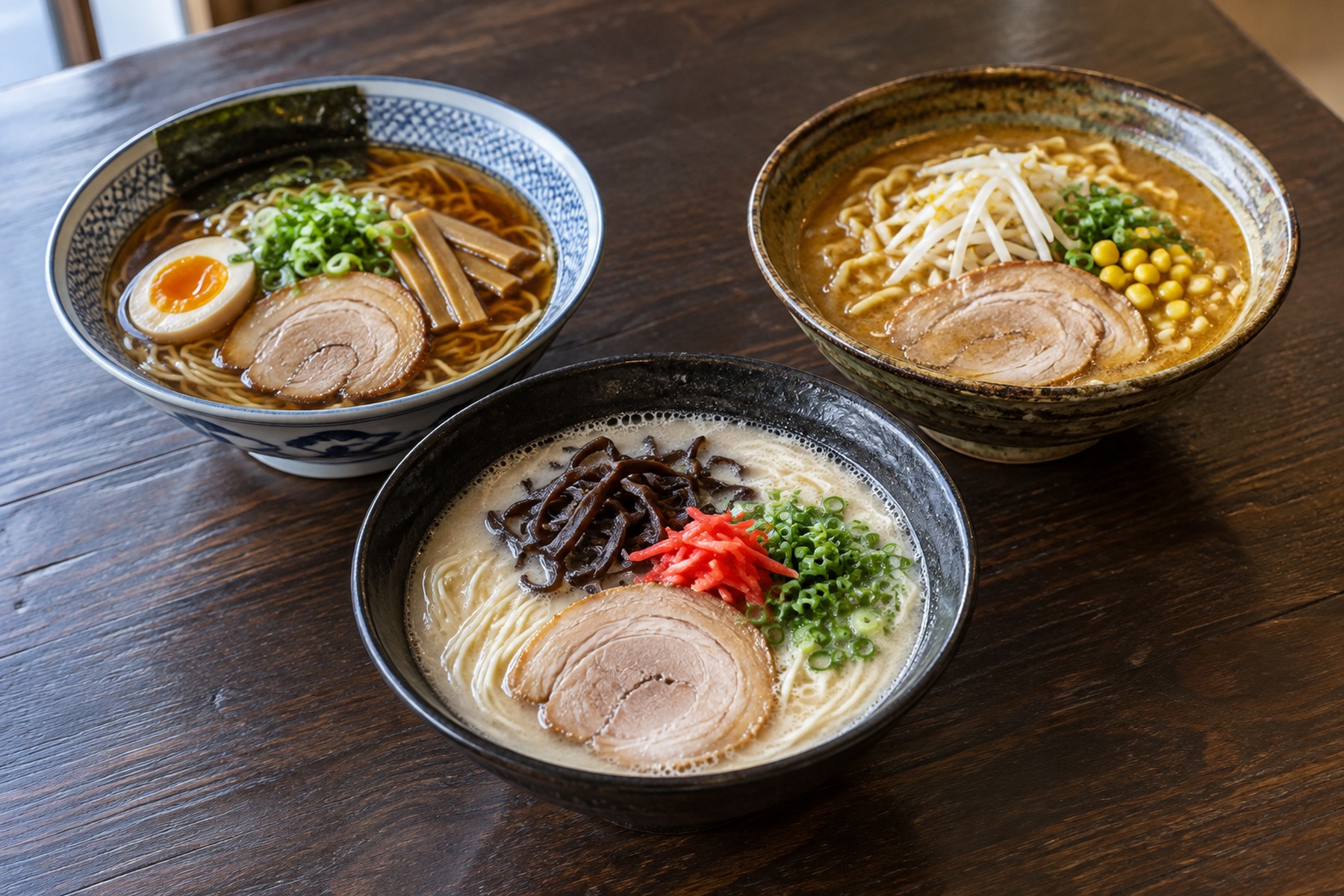
Shoyu ramen is seasoned with soy sauce and often has a brown, aromatic soup. It can be light or rich depending on the stock and oil. Shio ramen uses a salt-based tare and often presents a clearer flavor, but clear does not automatically mean low in fat or sodium.
Miso ramen has a deeper fermented savor and commonly supports thicker noodles and substantial toppings. Tonkotsu ramen is built around pork bones cooked to produce a pale, emulsified soup; it is especially associated with Kyushu and is often paired with thin noodles.
Because these labels describe different parts of the bowl, categories overlap. A pork-bone soup can be seasoned with soy sauce, and a chicken-based soup can use miso. Read the full menu description and notice the shop’s signature bowl rather than judging only by one label.
- Balanced and aromatic: begin with shoyu.
- Clean, direct seasoning: consider shio.
- Savory and hearty: choose miso.
- Creamy and pork-forward: choose tonkotsu.
- Unsure: order the item marked as the house specialty or recommendation.
Regional Styles Worth Recognizing
Regional names are useful clues, not rigid recipes. Sapporo is strongly associated with miso ramen, often served with stir-fried vegetables and sometimes corn or butter. Hakata ramen is known for creamy tonkotsu soup, very thin noodles and the option to order an extra serving of noodles called kaedama.
Kitakata ramen commonly features a soy-sauce profile and broad, wavy noodles. Tokyo-style ramen often refers to a shoyu-seasoned soup with seafood and poultry notes, although modern Tokyo shops cover almost every possible style.
Local shops continually reinterpret these traditions. Use a regional name to predict the general direction, then check the actual menu for broth, noodle and topping details.
- Sapporo: miso-forward bowls and hearty toppings.
- Hakata: pork-bone soup, thin noodles and kaedama.
- Kitakata: broad wavy noodles and a soy-sauce profile.
- Tokyo: often shoyu-based, but highly diverse in practice.
Noodles, Firmness and Portion Size
Thin noodles cook quickly and are common with tonkotsu, while thick or wavy noodles hold up well in robust soup and dipping ramen. Straight and curly noodles carry soup differently, but neither is inherently better.
Some shops ask how firm you want the noodles. If you do not know the scale, choose the normal setting. Very firm noodles may be listed as katame, while softer noodles may be yawarakame. The exact options vary by shop.
Large portions can overwhelm the intended soup-to-noodle balance. Try the standard size first. At shops offering kaedama, order the extra noodles before finishing all the soup so they can be added while the bowl is still hot.
- Futsū or namimori: standard firmness or standard portion, depending on context.
- Katame: firmer noodles.
- Ōmori: large noodle portion.
- Kaedama: an additional serving of noodles, most common at tonkotsu shops.
Toppings and Side Orders
Common toppings include chashu pork, seasoned egg, menma bamboo shoots, scallions and nori seaweed. Their preparation varies: chashu may be rolled, braised, roasted or lightly seared, and ajitama eggs are typically marinated with a soft or jammy yolk.
Extra toppings are often sold separately at the meal-ticket machine. Confirm whether a button buys a complete bowl or only an add-on. A menu item ending in “men” usually indicates noodles, while labels such as tamago, nori or negi may be toppings only.
Gyoza, rice and small pork bowls are common sides. Add them only after checking the ramen portion; a regular bowl is often a complete meal.
- Chashu: cooked slices of pork.
- Ajitama: seasoned soft-cooked egg.
- Menma: seasoned bamboo shoots.
- Negi: chopped green onion or scallion.
- Nori: dried seaweed sheets.
How to Order at a Ramen Shop
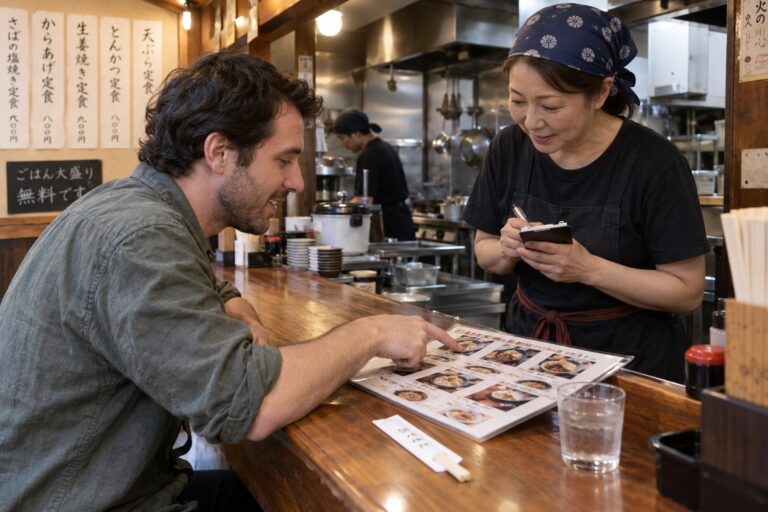
Pause at the entrance and identify the system. If customers use a vending machine, buy the main bowl and any toppings, collect the ticket and change, then hand the ticket to staff. If there is no machine, wait to be seated or order directly at the counter.
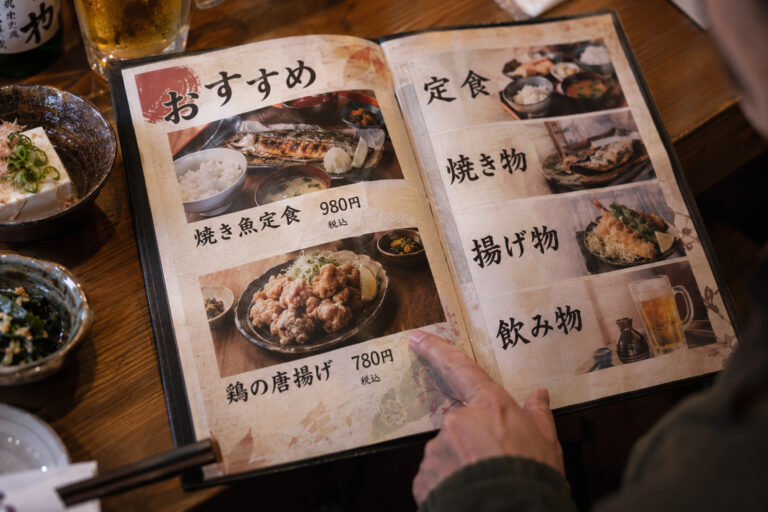
Menus may ask about noodle firmness, spice level, oil, garlic or portion size. Choose the standard option when you are unsure. Pointing to the exact item and saying “kore o hitotsu onegaishimasu” means “one of this, please.”
Busy ramen shops are designed for quick turnover. Decide before reaching the machine, keep bags out of the aisle and move to your seat after ordering. For a complete explanation of restaurant systems, see the related guide on how to order food in Japan.
- Choose the base bowl before optional toppings.
- Take both the printed ticket and any change.
- Hand the ticket to staff unless instructed otherwise.
- Use “futsū” or point to the standard option if customization is unclear.
- Keep your ticket or order slip until the bowl arrives.
Tsukemen and Other Ramen Formats
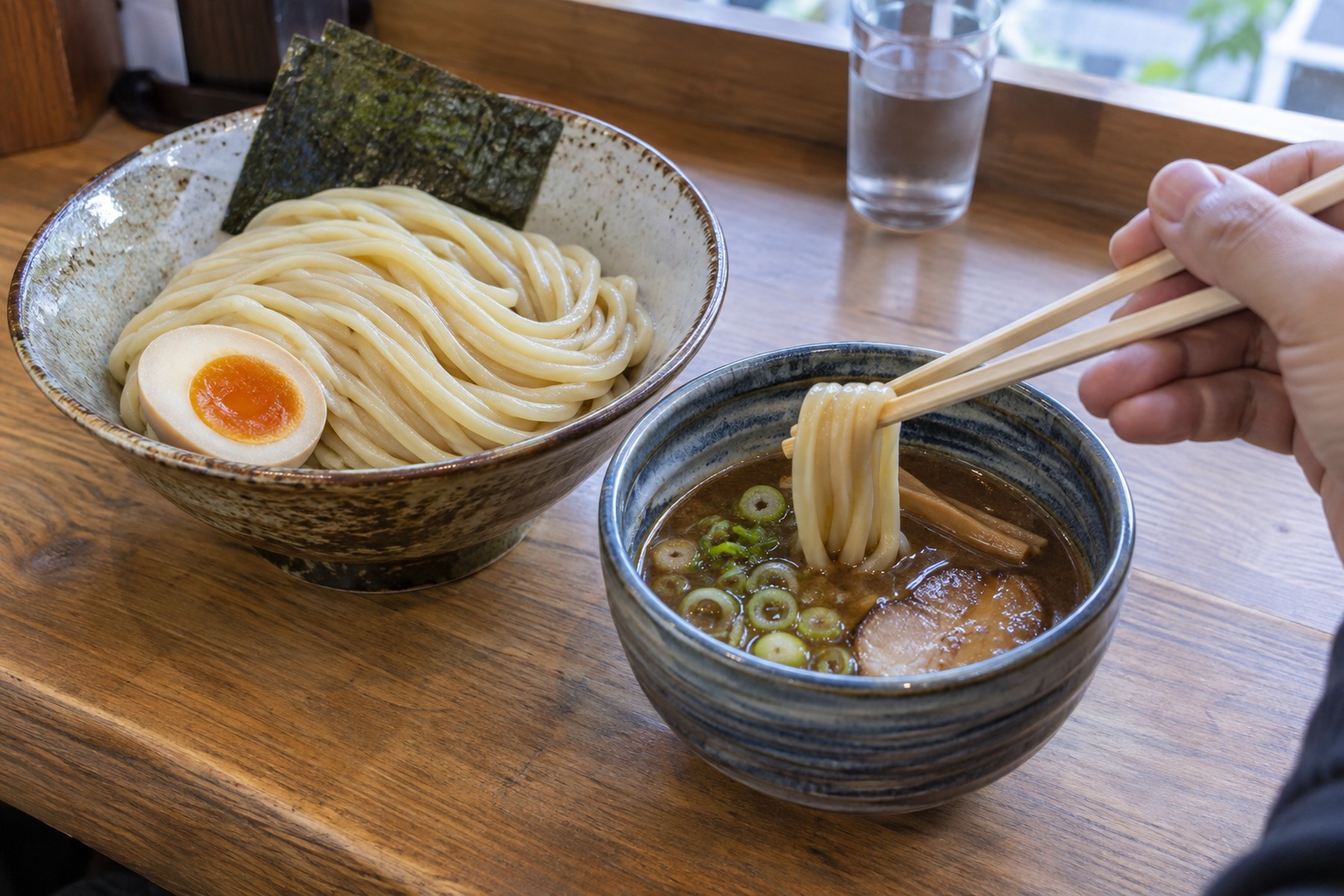
Tsukemen serves noodles and concentrated dipping soup in separate bowls. Pick up a small bundle of noodles, dip only the portion you are about to eat, and repeat. Pouring all the soup over the noodles defeats the intended texture and concentration.
When the noodles are finished, some shops offer soup-wari: hot stock added to dilute the remaining dipping soup so it can be sipped. Ask staff before adding anything from an unmarked container.
Maze-soba or abura-soba is served with little or no soup. Mix the noodles thoroughly from the bottom so the sauce and toppings coat every strand. These formats are useful when you want a stronger sauce-to-noodle focus than a conventional soup bowl.
- Tsukemen: noodles dipped into a separate, concentrated soup.
- Soup-wari: stock used to dilute remaining tsukemen broth.
- Maze-soba or abura-soba: mixed noodles with sauce and minimal soup.
Allergies, Vegetarian Needs and Halal Diets
Ramen can contain ingredients that are invisible in the finished bowl. Wheat is typical in the noodles, egg may be used in noodles or toppings, and the soup or tare may contain pork, chicken, fish, shellfish, dairy, sesame, soy or alcohol-based seasoning.
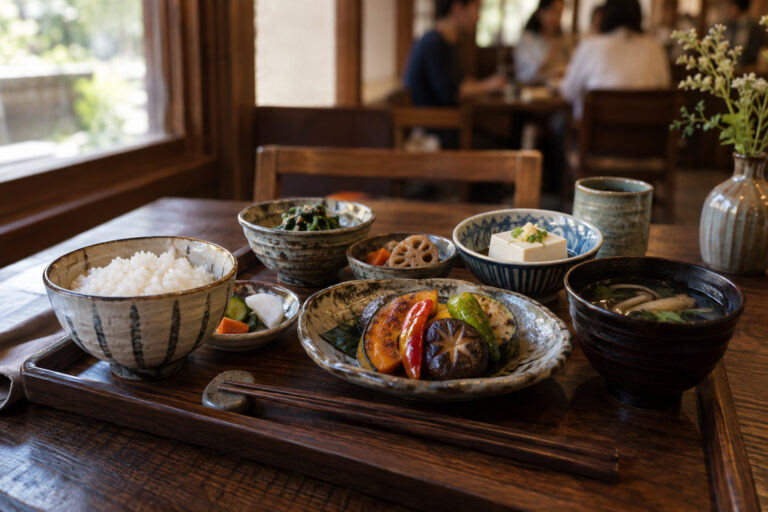
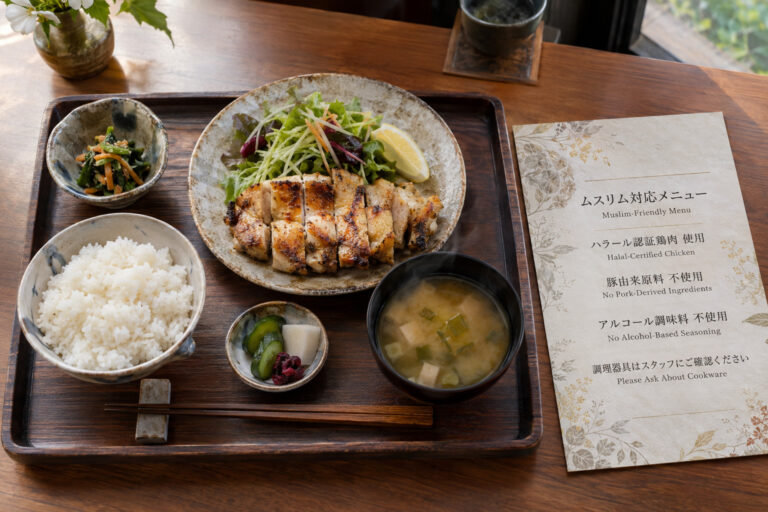
Removing the chashu does not make a pork-based bowl vegetarian or halal. A vegetable topping also does not prove that the stock is meat-free. Ask specifically about broth, seasoning, aroma oil and shared cooking equipment.
For a serious allergy, show a clear Japanese allergy card before ordering and explain whether cross-contact is unsafe. If staff cannot confirm the ingredients or preparation, choose another shop rather than asking them to guess.
- Confirm the soup stock as well as visible toppings.
- Ask whether noodles contain egg and whether wheat-free noodles are handled separately.
- Check for fish and shellfish in clear-looking soup.
- Treat vegetarian, vegan and halal labels as shop-specific claims.
- Do not eat the dish when a serious risk cannot be confirmed.
Eat While Hot and Follow the Shop Flow
Ramen is served for immediate eating. Noodles continue absorbing soup and soften quickly, so take photos briefly and begin while the bowl is hot. Slurping is acceptable but never required.
Taste the soup before adding pepper, chili oil, vinegar or garlic. Add condiments in small amounts because they cannot be removed. Avoid planting chopsticks upright in the bowl or passing food directly from one pair of chopsticks to another.
When finished, leave the bowl and utensils where the shop expects, return trays only at self-service venues and take all belongings. Tipping is not customary; pay at the machine or register and offer a simple “gochisōsama deshita” when leaving.
- Begin eating soon after the bowl arrives.
- Taste before adding table condiments.
- Do not occupy a busy counter after finishing the meal.
- Follow posted instructions for trays, water and used dishes.
- Pay the stated bill without adding a tip.
FAQ
Which ramen style is best for a first bowl in Japan?
Shoyu is a dependable balanced starting point, but the shop’s signature bowl is often the best choice because its broth, noodles and toppings were designed together.
Is tonkotsu the same as miso or shoyu?
Not exactly. Tonkotsu describes a pork-bone broth, while miso and shoyu usually describe the seasoning tare. A bowl can therefore be both tonkotsu and shoyu.
How do I order ramen from a ticket machine?
Choose the base bowl, pay, press any topping buttons, collect the ticket and change, and hand the ticket to staff. Select the standard option if the machine asks for an unfamiliar customization.
Is it rude not to slurp ramen?
No. Slurping is acceptable but optional. Eat in the way that is comfortable while keeping noise and splashing considerate.
Can vegetarians eat ramen in Japan?
Yes at shops that clearly offer vegetarian or vegan ramen, but ordinary bowls may use pork, chicken, fish or seafood stock even when the toppings look vegetable-based. Confirm the broth, tare and oil.
Should I drink all the ramen soup?
No. You may enjoy as much as you like, but finishing the soup is not required. Stop when you are satisfied.
Related Japan Travel Guides
Official References
Final Thoughts
The easiest way to choose ramen is to begin with the shop’s specialty and read the bowl in layers: stock, seasoning, oil, noodles and toppings. Order the standard version first, communicate dietary risks before buying, and eat while the noodles are at their best. Once you recognize the main flavor families, regional bowls and dipping formats become a rewarding part of traveling around Japan.