
Tax-Free Shopping in Japan: Eligibility, Refunds and Departure Steps
Use tax-free shopping in Japan correctly by checking eligibility, purchase thresholds, the applicable checkout method, departure customs and refund records.
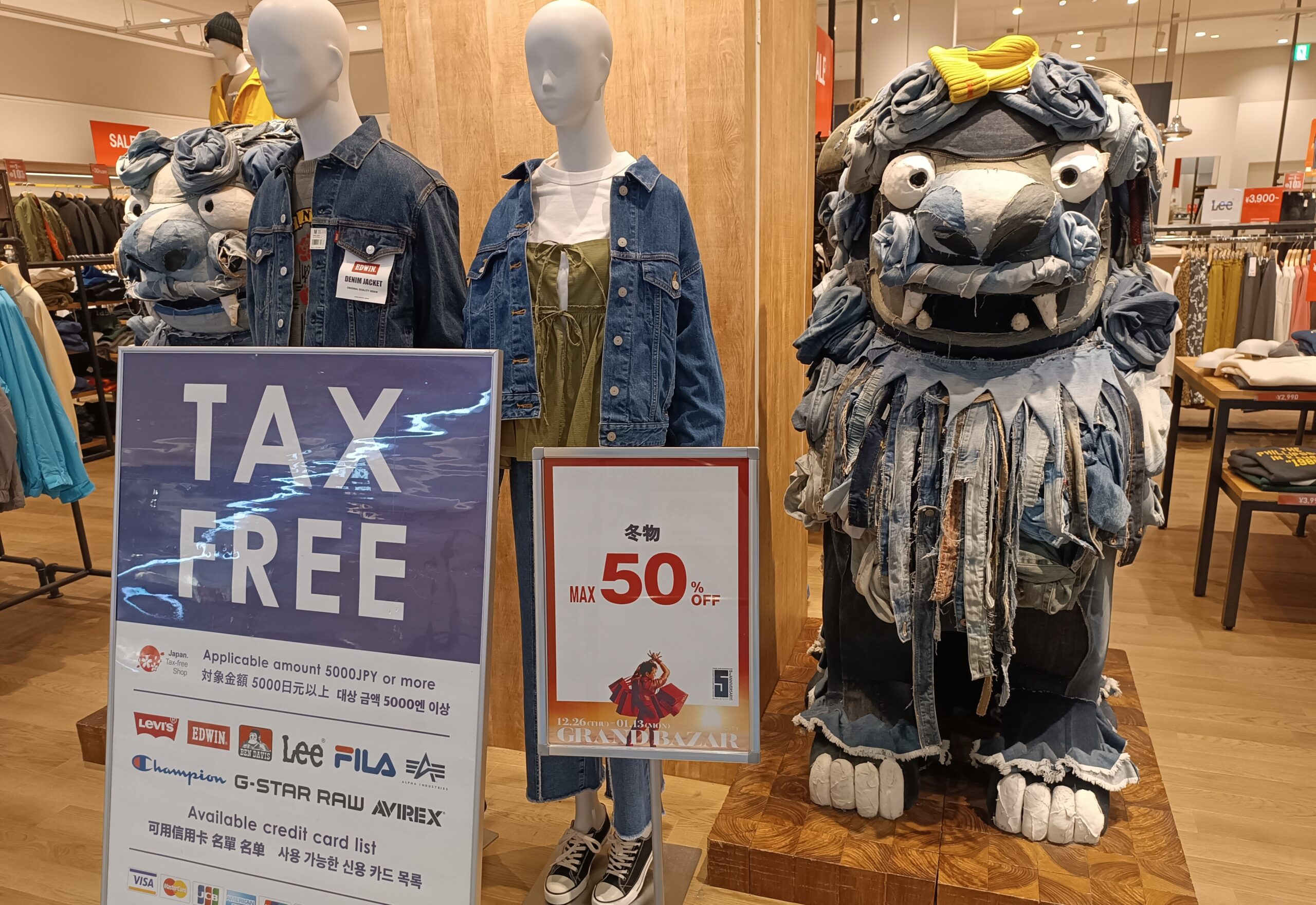
Carry your original passport and buy at an authorized tax-free shop. Confirm which official procedure applies to your purchase date: the earlier system removes tax at the point of sale, while the refund method requires payment of the tax-inclusive price followed by export confirmation at departure. Spend at least ¥5,000 excluding tax at the same shop on the same day, keep the goods in Japan only for export, and present them to customs before checking baggage when inspection is required.
What You’ll Learn
- Who can use tax-free shopping and which document to carry.
- How the ¥5,000 threshold is calculated.
- How point-of-sale and departure-refund procedures differ.
- Why goods must remain available before baggage check-in.
- Which receipts and refund records to keep.
Check which tax-free procedure applies
Japan is changing from a point-of-sale exemption to a refund method. The procedure is determined by the purchase date, so check the Japan Tourism Agency tax-free page before shopping instead of relying on an old blog post, sign or social-media video.
Under the earlier procedure, an eligible shop deducts consumption tax when it verifies the shopper and sale. Under the refund method, the shopper pays the tax-inclusive price first, departure customs confirms that the goods leave Japan, and the shop or its refund provider returns the tax equivalent afterward.
- Check the official procedure that applies to the purchase date.
- Do not assume every shop has adopted the same checkout process.
- Keep the receipt and any digital purchase record until the refund is complete.
Confirm that you are eligible before shopping
Tax-free shopping is intended for eligible nonresidents visiting Japan under a qualifying entry status. A shop must verify the customer through a passport or an accepted digital procedure. A residence card, passport copy or photograph of a passport is not a substitute when the original passport is required.
Eligibility can depend on entry status, time in Japan and how arrival information was recorded. Crew members, residents and travelers without the required entry record may not qualify. Ask the tax-free counter before paying if the passport has an automated-gate stamp issue or the trip involves unusual immigration status.
- Carry the original passport when shopping.
- Confirm eligibility before opening or using goods.
- Ask the shop how it records the purchase and refund.
Use a participating shop and ask before payment
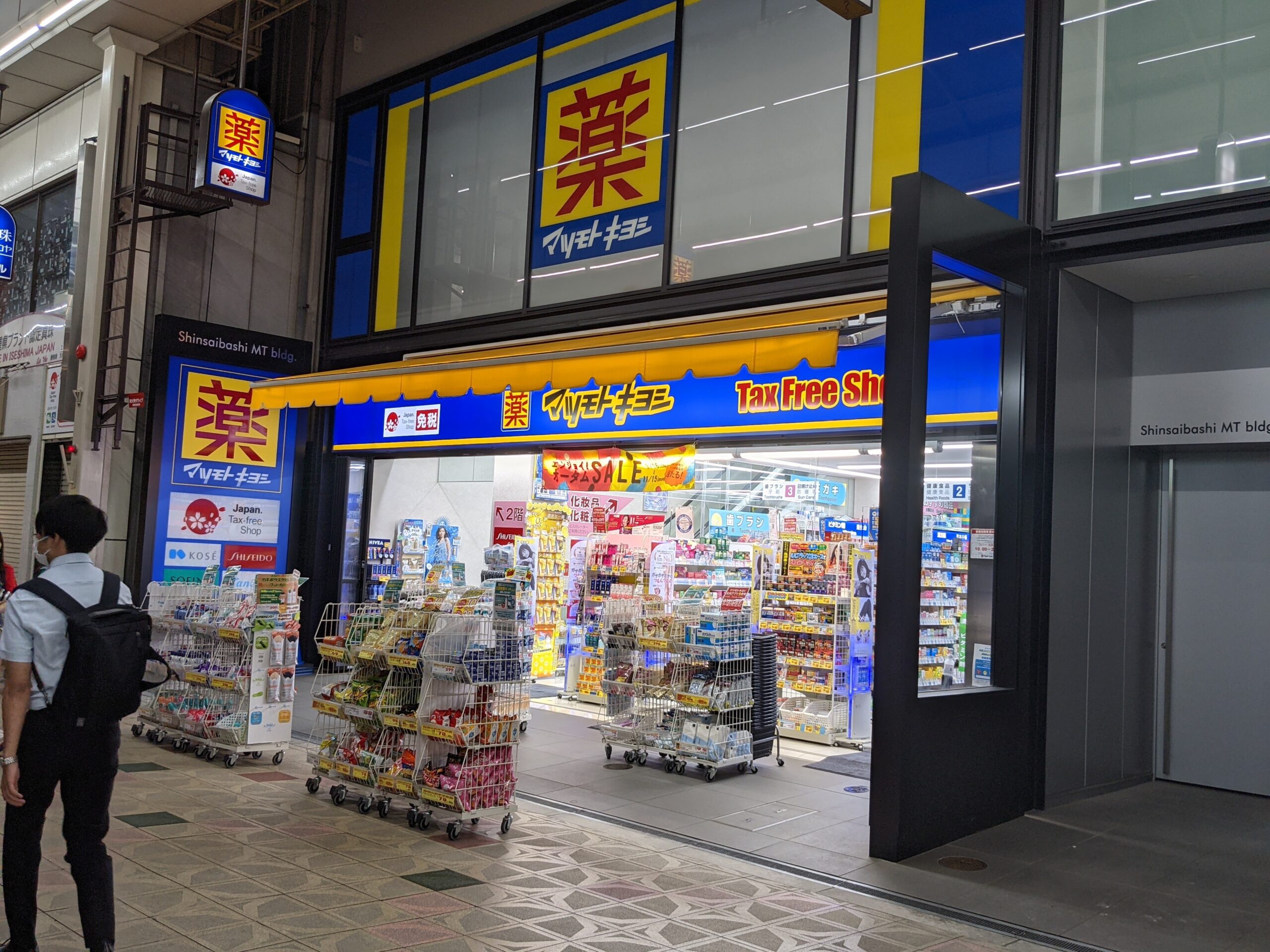
Only an authorized tax-free shop can process a tax-free sale. Look for the official tax-free shop symbol or ask staff, then confirm whether the tax-free counter is at the same register, on another floor or at a central counter in the building.
Department stores and shopping complexes may combine purchases from participating tenants, but rules and handling fees vary. Present the passport before the transaction is finalized. A normal receipt from a nonparticipating store cannot usually be converted into a tax-free sale later.
- Confirm that the shop and product are eligible.
- Find the correct tax-free counter before checkout.
- Present the passport before the sale is completed.
Meet the purchase threshold correctly
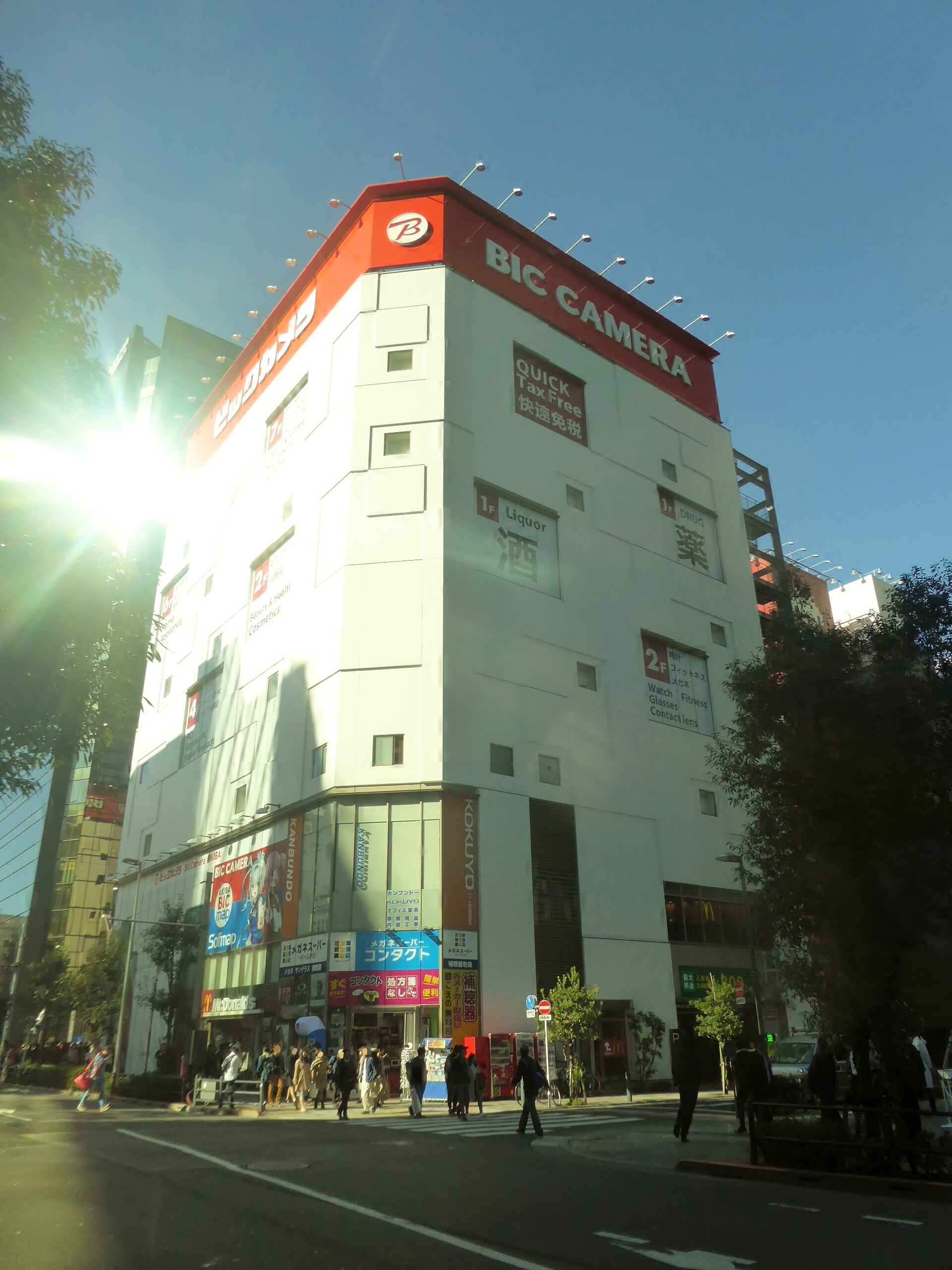
The basic threshold is at least ¥5,000 excluding consumption tax at the same shop on the same day. Purchases from unrelated stores cannot be added together. In a department store or mall, only purchases handled under its authorized combined-counter arrangement can be combined.
Discounts, coupons and excluded products can change the qualifying total. Ask staff to show the tax-exclusive eligible amount rather than estimating from shelf prices. The final record issued by the shop is more reliable than a personal calculation.
- Reach the threshold with eligible goods at one authorized shop.
- Check the tax-exclusive total after discounts.
- Keep itemized receipts with the goods.
Understand goods, consumables and exclusions
The earlier procedure separates general goods from consumables. Consumables are subject to a purchase ceiling and special packaging and must not be opened or used in Japan. General goods can have different handling, although they still must leave Japan.
Under the refund method, the special consumables packaging rule and the consumables ceiling are removed, but tax-free goods still must be exported. Consuming, giving away or disposing of them in Japan can cancel the exemption. Gold and platinum bullion are excluded, and services such as meals, accommodation and delivery charges are not exportable goods.
- Do not open sealed consumables under the earlier procedure.
- Do not consume or transfer tax-free goods in Japan.
- Expect services and excluded bullion to remain taxable.
Complete the point-of-sale procedure when it applies
When the point-of-sale procedure applies, show the required passport before payment and let the shop record the purchase. Depending on the store, tax may be removed immediately or handled at a separate counter after an initial payment.
Check the receipt, product list, refund amount and any service fee before leaving. Keep special packaging sealed where required. The store’s tax-free amount may be lower than a simple headline tax-rate calculation when fees or mixed tax rates are involved.
- Show the required document before checkout.
- Verify the eligible items and actual refund.
- Preserve required packaging until departure.
Complete the refund method when it applies
Under the refund method, pay the tax-inclusive price and keep every item available for departure verification. Complete departure customs confirmation within 90 days of purchase. Customs checks purchase information and confirms export before the refund is released by the shop or refund provider.
The refund channel, timing and fees can differ by retailer or provider. Confirm whether the refund goes to a payment card, bank-related method, cash service or another supported channel. Keep proof of departure processing until the money arrives, and contact the retailer or provider—not airport customs—for a payment-status problem.
- Pay the full tax-inclusive amount at purchase.
- Complete departure verification within the permitted period.
- Retain the refund receipt and provider details.
Present the goods before checking baggage
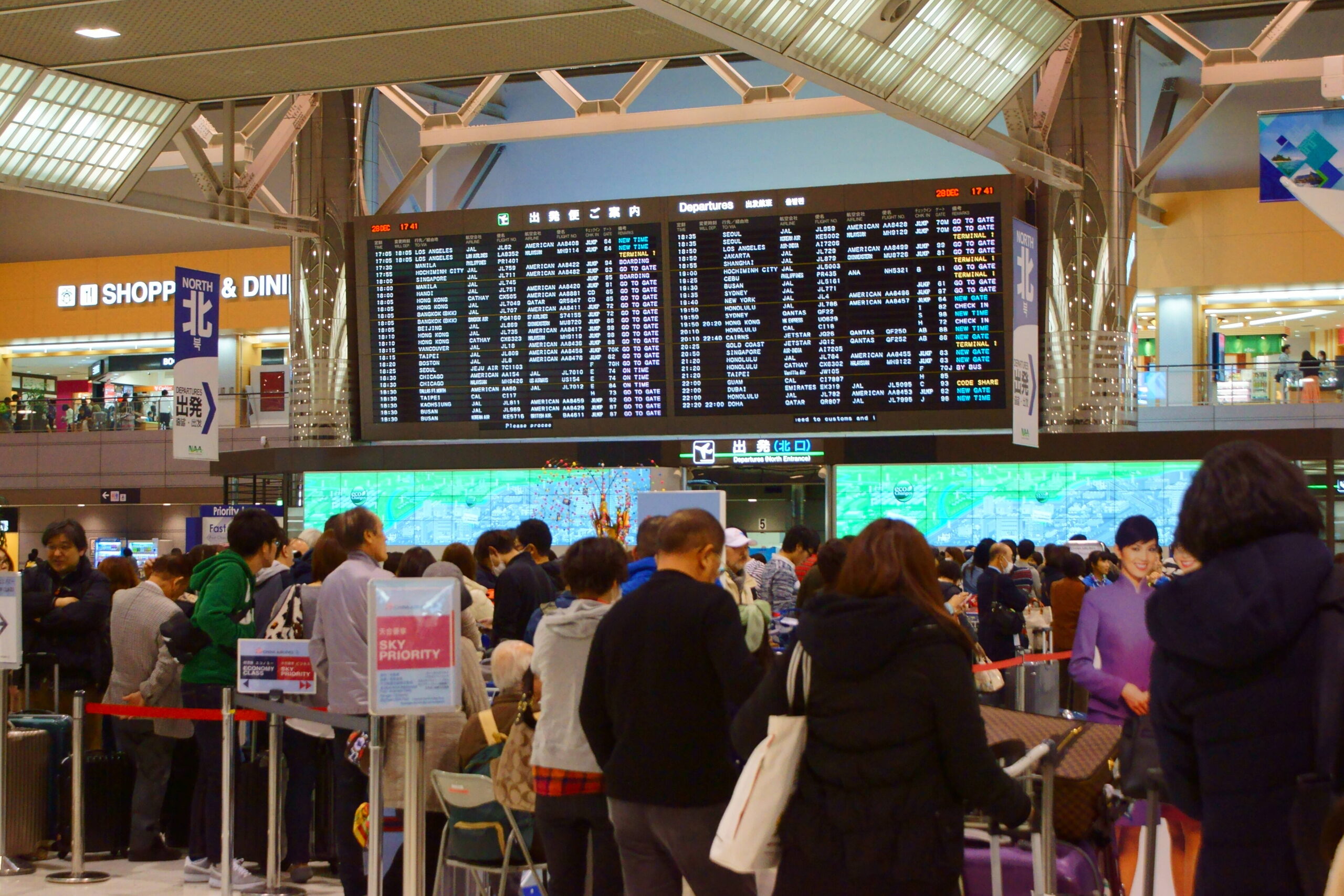
Customs may ask to inspect tax-free goods at the airport or port. Complete the tax-free departure procedure before checking any suitcase that contains those goods. If an item is already inaccessible in checked baggage, customs may be unable to confirm export.
Carry the passport used for purchase and keep the goods, receipts and digital records together. Allow extra time for high-value or numerous purchases. Follow the departure airport’s signs and official instructions because counter locations and electronic procedures can differ by terminal.
- Keep tax-free goods accessible before bag drop.
- Use the same passport presented at purchase.
- Allow time for customs confirmation before security.
Protect the refund from card and currency surprises
A tax-free sale does not guarantee that the final amount equals the shelf price minus the headline tax rate. Different tax rates, retailer handling fees, refund-provider fees, card exchange rates and dynamic currency conversion can affect the result.
When a terminal offers a choice, compare paying in yen with paying in the card’s home currency. Record the tax-inclusive payment, the expected tax equivalent, fees and refund channel. For an expensive purchase, keep screenshots or paper proof until the card statement and refund both settle.
- Compare the actual net price, not the advertised percentage.
- Check fees and the selected payment currency.
- Keep proof until the refund posts.
Treat high-value purchases with extra care
Luxury goods, watches, cameras and other high-value items can attract closer verification. Make sure the product description and serial information on the paperwork match the item, and do not leave the goods with another traveler or send them separately without confirming the official treatment first.
Tax-free shopping concerns Japanese consumption tax only. Import duty, value-added tax, declaration thresholds and restricted-item rules in the destination country are separate. Check the destination customs authority before buying an item whose value may exceed the personal allowance.
- Match receipts and serial details to the goods.
- Keep high-value items secure and available for inspection.
- Check destination-country declaration and tax rules.
Do not confuse personal mailing with verified export
Mailing a tax-free purchase to yourself is not a substitute for the required export procedure. The former separate-shipment route for traveler-arranged parcels was abolished, so a postal receipt alone should not be treated as proof that preserves the exemption.
A shop-arranged overseas delivery can follow a different documented process when the applicable rules allow it. Confirm the exact arrangement with the authorized shop before purchase and keep its export documents. Do not improvise with a hotel parcel service or ordinary courier counter.
- Do not rely on traveler-arranged mailing as proof of export.
- Use only a shop-confirmed delivery procedure.
- Retain the shop’s export and delivery records.
Use a final shopping and departure checklist
Before paying, confirm eligibility, the applicable procedure, the threshold, the eligible items, fees and the refund channel. Before leaving the store, compare the receipt with the goods and save the provider contact details.
Before departure, pack tax-free goods so they can be shown before baggage check-in, carry the correct passport and arrive with enough time for customs. After travel, keep the records until every expected refund is visible and raise payment problems with the retailer or refund provider.
- Before purchase: confirm eligibility, process and net price.
- Before departure: keep goods accessible with the passport.
- After departure: verify the refund before discarding records.
FAQ
Who is eligible for tax-free shopping in Japan?
Eligible nonresidents visiting Japan under a qualifying entry status may use it after the authorized shop verifies the required passport or accepted digital procedure. Residents and travelers without the required entry record do not qualify.
How much do I need to spend for tax-free shopping?
The basic threshold is ¥5,000 excluding consumption tax at the same authorized shop on the same day. Discounts and excluded items can reduce the eligible total, so confirm the amount with the shop.
Do I receive the tax discount immediately?
It depends on the procedure applying to the purchase date. The earlier system handles the exemption at the shop; the refund method requires tax-inclusive payment first and refund processing after customs confirms export.
Can I open tax-free items while in Japan?
Under the earlier procedure, sealed consumables must remain unopened. Under the refund method, special packaging is removed, but consuming or disposing of tax-free goods in Japan can still cancel eligibility because the goods must be exported.
Should tax-free goods go in checked baggage?
Keep them accessible until the departure customs procedure is complete. Present goods before baggage check-in when inspection may be required, then pack them according to airline security and baggage rules.
How long can I wait before leaving Japan with the goods?
Under the refund method, departure customs confirmation must occur within 90 days of purchase. Check the current official guidance before relying on the rule for a long stay or later departure.
Can I mail tax-free goods home myself?
Do not assume that personal mailing preserves the exemption. The old traveler-arranged separate-shipment treatment was abolished. Use only a shop-confirmed overseas-delivery process with the required records.
Who should I contact if the refund does not arrive?
Contact the retailer or the refund provider named on the receipt. Customs confirms export but normally does not control the retailer’s payment timing, exchange rate or service fee.
Related Japan Travel Guides
Official References
Final Thoughts
The reliable way to shop tax-free is to verify the procedure before paying and protect the export record until the refund is settled. Carry the correct passport, use an authorized shop, keep the goods accessible before bag drop and compare the actual net cost after fees and currency conversion. For any unusual purchase or travel status, use the official guidance and the shop’s written procedure rather than an informal shortcut.