
Japan Winter Illuminations Guide: Tokyo, Yokohama, Osaka and Kobe
A practical Japan winter illuminations guide covering Tokyo, Yokohama, Osaka and Kobe, with timing, free and paid options, crowd strategy, weather, photography and easy evening routes.
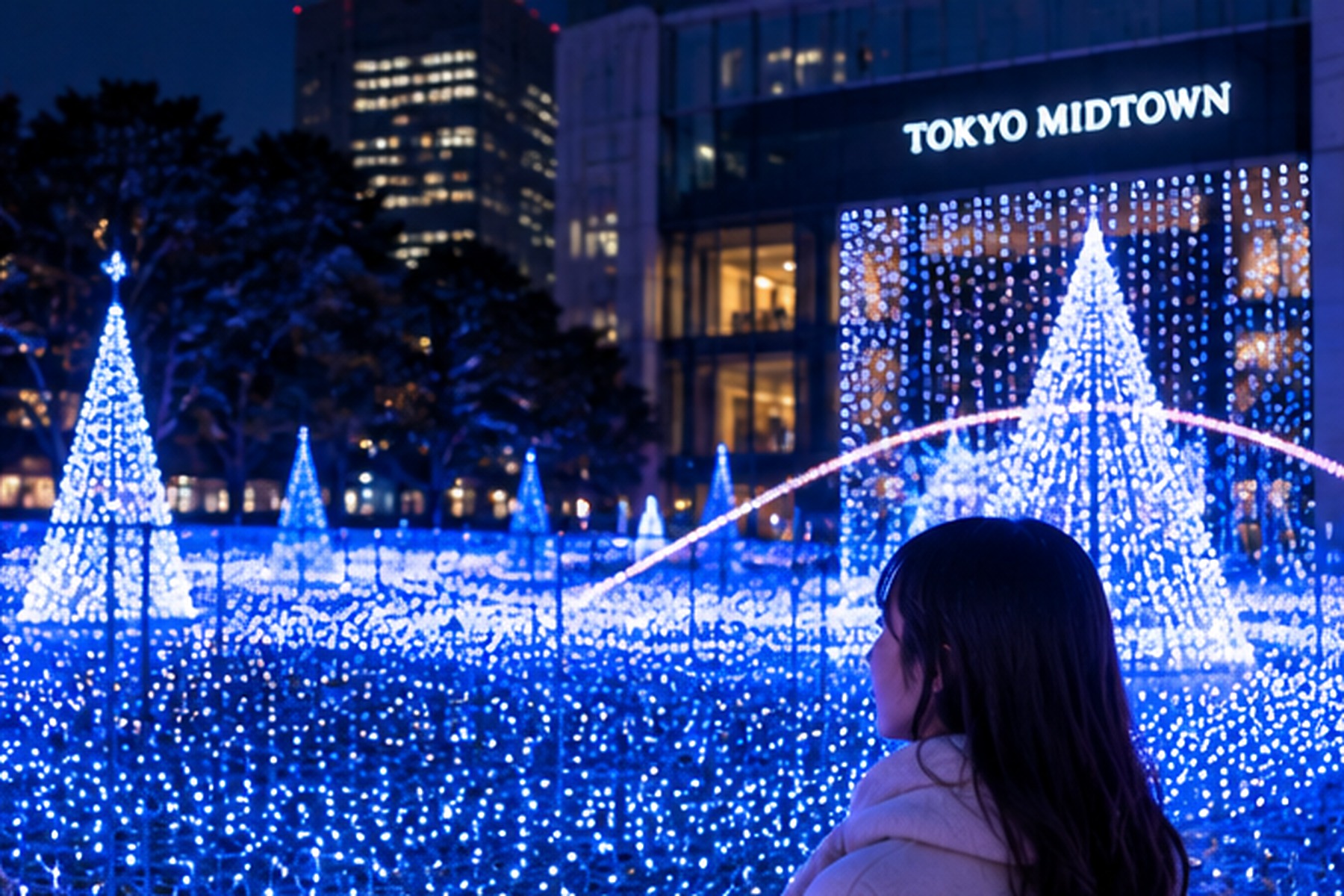
Japan’s winter illuminations are easiest to enjoy when you choose one compact area per evening and verify the current season’s dates before you go. Tokyo offers the widest mix of free street displays and destination-style paid events; Yokohama is excellent for a waterfront light walk; Osaka’s Midosuji is a strong city-center option; and Kobe Luminarie is a distinct memorial event rather than a generic Christmas display. Dress for a cold night, avoid building a route around too many distant venues, and check the official event page on the day because hours and installations can change.
What You’ll Learn
- Which winter illumination areas are easiest for a first visit
- How free city displays differ from paid destination-style events
- How to plan timing, transport, clothing and photography for a winter night
- Why some famous light events need to be treated differently from ordinary Christmas illuminations
How Japan’s Winter Illumination Season Works
Winter illuminations appear across shopping districts, parks, waterfronts, theme parks and major transport hubs. In Tokyo, official tourism guidance notes that many displays continue beyond Christmas and some run into February, so the season is broader than a single holiday week.
Schedules are not fixed from one season to the next. A venue may change its start date, lighting hours, installation area or ticket system, so use this guide to choose the right type of experience and then confirm the current details on the official event page.
- Expect the strongest concentration from late autumn through mid-winter.
- Christmas decorations may end earlier than the core illumination itself.
- Free urban displays often fit naturally into dinner or sightseeing plans.
- Destination events may require admission, transport time or advance tickets.
Best First Choice: Tokyo for Variety and Easy Transport
Tokyo is the easiest city for a first illumination night because several strong areas combine lights with restaurants, shopping and major stations. GO TOKYO highlights Marunouchi, Shinjuku, Ginza, Omotesando, Ebisu and other districts as recurring winter-light areas.
The main mistake is trying to cross the city repeatedly for every famous display. Pick one cluster, arrive before the busiest part of the evening, eat nearby and let the illumination become part of the night rather than a checklist.
- Marunouchi: elegant street illumination beside Tokyo Station.
- Hibiya: useful for combining a light display with dinner and indoor warm-up stops.
- Shinjuku: practical when your hotel or evening plans are already on the west side of central Tokyo.
- Yomiuriland: better when you want the illumination itself to be the main activity.
Marunouchi and Hibiya Make an Easy Central Tokyo Evening
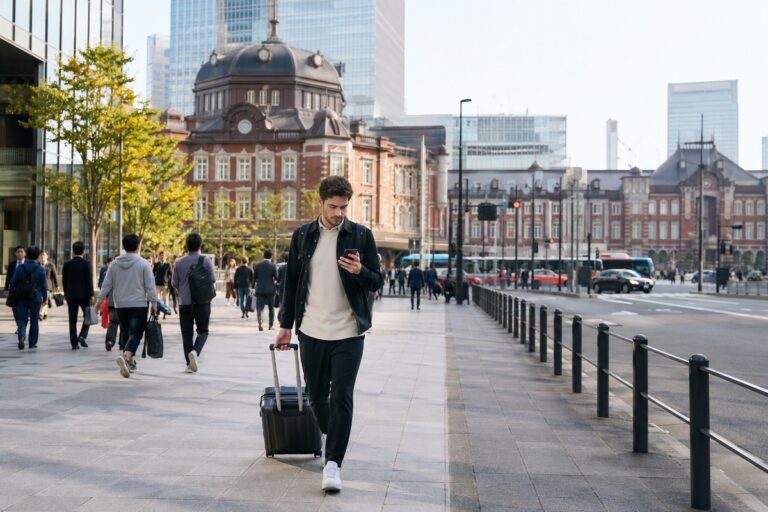
Marunouchi’s recurring winter illumination turns the streets around Tokyo Station and Marunouchi Naka-dori into a long champagne-gold walking route. It works especially well for travelers who want a free city display without committing an entire evening to one ticketed attraction.
Hibiya can be paired with Marunouchi because the districts are close enough to combine without a difficult transfer. Recent Hibiya programs have used Hibiya Step Square, Hibiya Nakadori and the Park View Garden, but the layout changes, so check the current program before building the walk.
- Start near Tokyo Station and walk through Marunouchi Naka-dori.
- Continue toward Hibiya only if the weather and energy level are still good.
- Use department stores, cafes or station buildings for warm indoor breaks.
- Keep the route one-way rather than backtracking through the same streets.
Yomiuriland Is a Destination Illumination, Not a Quick Street Stop
Yomiuriland’s Jewellumination is a different kind of experience from a free downtown light walk. The park uses jewel-colored LEDs across a large site and adds rides, fountain shows and elevated night views, so the illumination itself can fill most of an evening.
Because it is outside the central sightseeing core and involves park admission, it makes more sense when you deliberately want a theme-park-style night rather than simply adding lights after dinner.
- Budget transport and admission as part of the experience.
- Check the operating calendar and attraction hours before leaving central Tokyo.
- Arrive early enough to see the transition from daylight to full illumination.
- Use the park’s indoor food and rest areas to manage cold weather.
Yokohama Is Best for a Waterfront Light Walk
Yokohama’s winter-light program is useful because many displays can be connected across Minato Mirai, the waterfront, Yamashita Park and surrounding districts. The official Yokohama illumination campaign has grouped numerous events into one seasonal network rather than treating every installation as an isolated destination.
This makes Yokohama ideal when you prefer an evening walk with harbor views, city lights and optional indoor stops. Choose one section of the waterfront instead of trying to cover every listed event.
- Minato Mirai works well for skyline views and indoor backup options.
- Yamashita Park adds open waterfront space and seasonal lighting.
- Check the official campaign map because participating installations can change.
- Leave enough time for the return train rather than extending the walk indefinitely.
Osaka’s Midosuji Illumination Is Easy to Add to a City Night
Midosuji is Osaka’s main boulevard, and its recurring illumination turns a long central stretch into a city-scale light corridor. Osaka’s official tourism information describes the event as a roughly four-kilometer winter illumination along the boulevard.
It works best as part of an evening already centered on Umeda, Shinsaibashi or Namba. Walking the entire route is unnecessary; choose the section that fits your dinner, hotel or shopping plans.
- Use a central section rather than treating the full boulevard as a mandatory walk.
- Pair the lights with Shinsaibashi or Namba when those areas are already on your itinerary.
- Stay aware of cyclists, crossings and ordinary city traffic while taking photos.
- Confirm the current lighting period before building a late-night route.
Kobe Luminarie Has a Different Meaning
Kobe Luminarie should not be treated as just another Christmas illumination. The official event explains that it began to honor the victims of the Great Hanshin-Awaji Earthquake and to express hope for the city’s recovery and renewal.
Its dates and ticket arrangements do not necessarily follow the same pattern as ordinary pre-Christmas city lights. If Kobe Luminarie is a priority, plan around its official schedule rather than assuming it will overlap with a December illumination trip.
- Read the event background before visiting.
- Check the official schedule because timing can differ from other winter displays.
- Use designated viewing routes and follow crowd-control instructions.
- Treat paid viewing areas or special tickets as event-specific rather than universal.
Free Street Lights vs Paid Illumination Events
The best choice depends on how important the illumination itself is to your evening. Free city displays are ideal when you want atmosphere around dinner, shopping or a station area. Paid venues make more sense when you want a longer immersive experience with rides, shows or large installations.
Do not assume paid means better. A short walk through Marunouchi can be more satisfying than a long detour if your hotel and dinner are already nearby.
- Choose free city lights for flexibility and low-friction evenings.
- Choose paid venues when the light show is the main activity.
- Include transport time when comparing the real cost of a destination event.
- Check whether admission covers rides, shows or only entry.
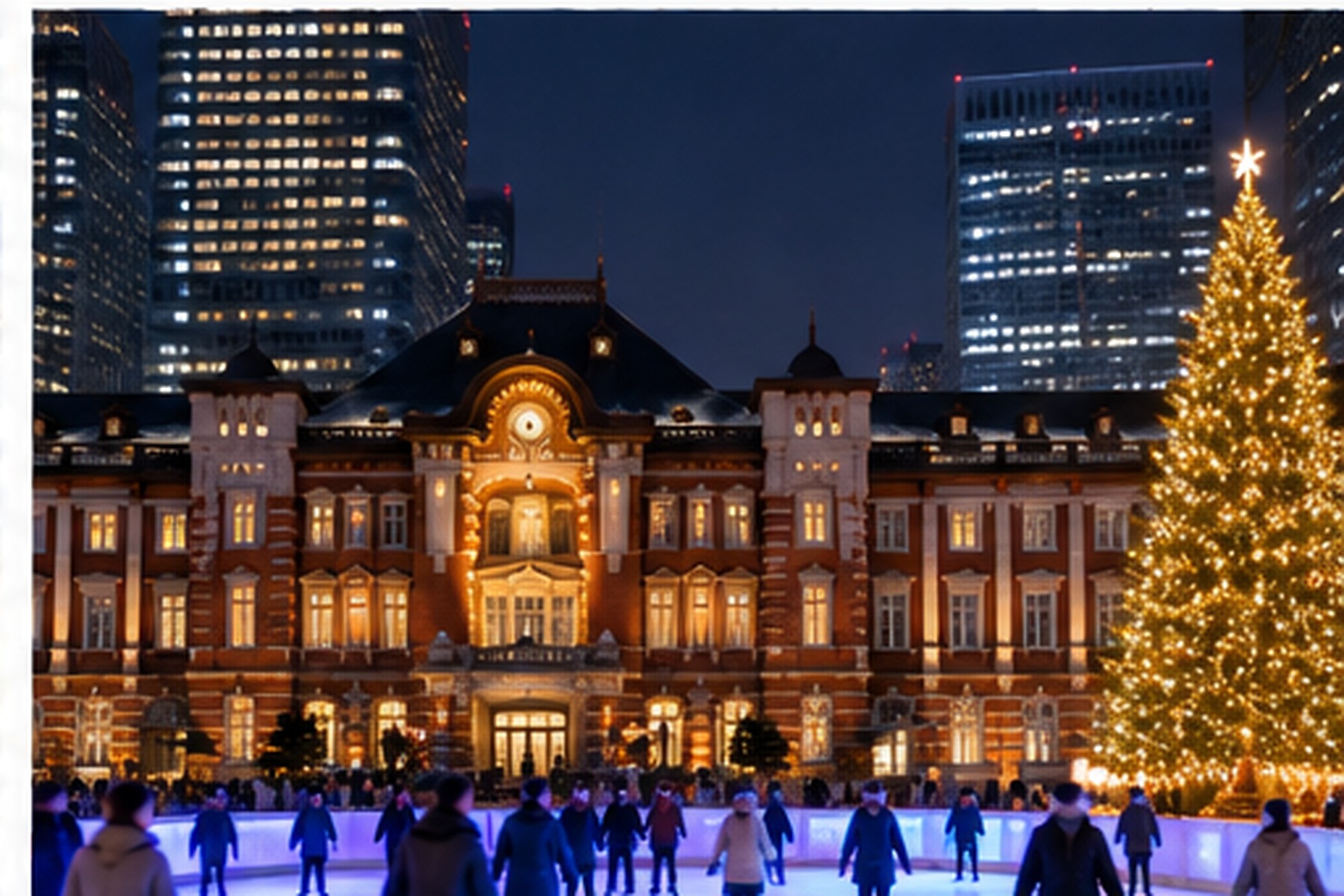
Go Early for Blue Hour or Later for Deeper Night Color
The first part of the lighting period can be useful for photography because the sky may still hold some color, while later hours create stronger contrast between dark streets and illuminated trees. The trade-off is crowding: popular areas often become busier after work and around dinner time.
Weeknights are usually easier than peak holiday evenings when your itinerary allows it. If you want a clean photo, wait for a gap instead of blocking the walking path with a long setup.
- Arrive near lighting time when you want blue-hour photos.
- Stay later when you prefer deeper night contrast.
- Avoid peak holiday nights if crowd tolerance is low.
- Do not stop in the center of a busy path to frame a photo.
Dress for Standing Outside, Not Just Walking Between Stations
Illumination nights feel colder than daytime sightseeing because you may stand still for photos or wait for a light show. GO TOKYO notes that winter temperatures in Tokyo are low enough to require a warm coat and recommends winter layers such as scarves and gloves.
Build one indoor warm-up stop into the route. A cafe, department store or station building can make a longer winter evening much more comfortable.
- Wear a warm outer layer and protect hands on colder nights.
- Use comfortable shoes because illumination routes often involve more walking than expected.
- Carry a compact umbrella when rain is possible.
- Avoid planning several outdoor night activities back to back without a warm indoor break.
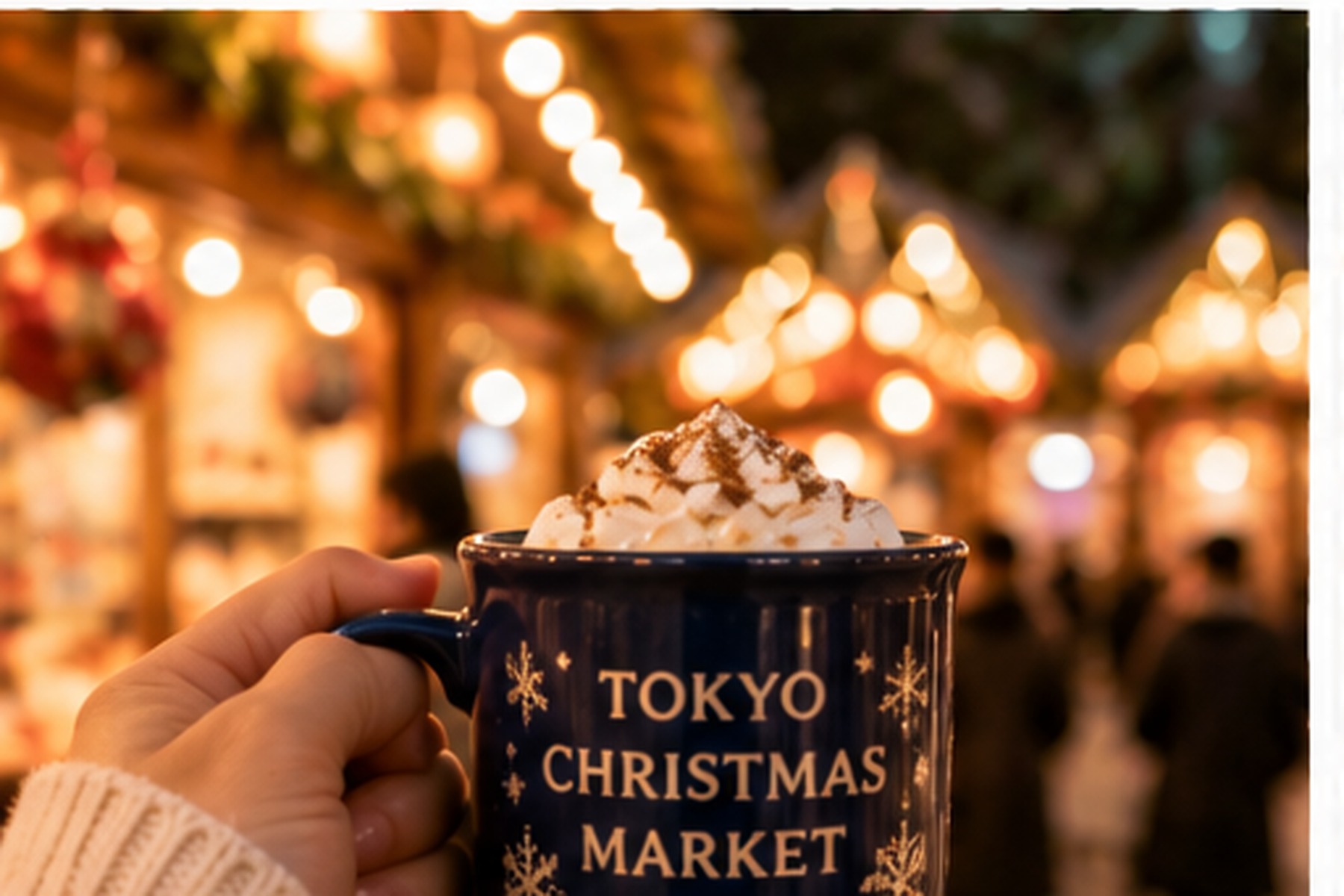
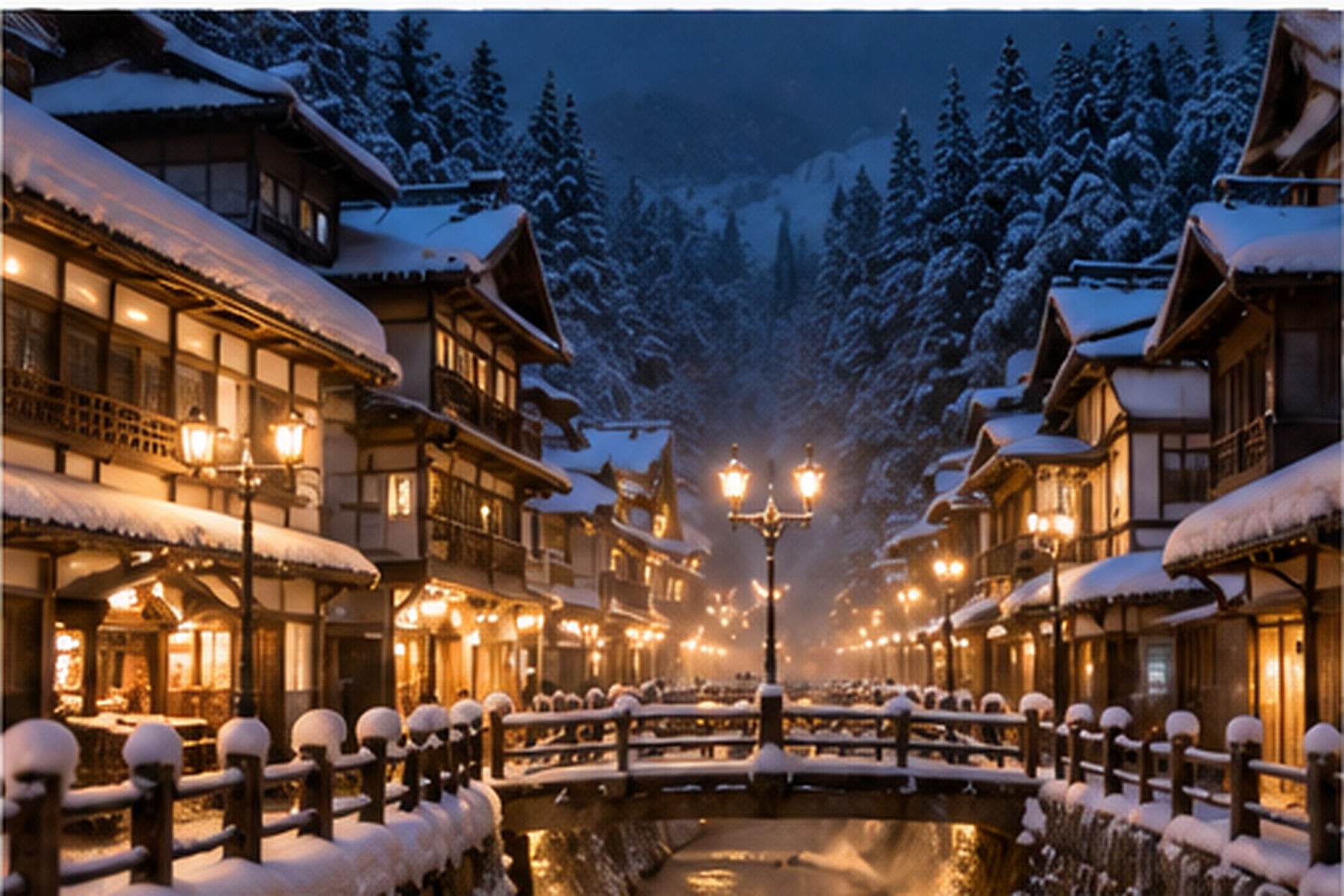
Photography Works Better When You Protect the Crowd Flow
Illuminations naturally attract cameras, but the street or viewing area still needs to function. Tripods, long pauses and repeated group shots can create bottlenecks in narrow paths.
Use a fast handheld setup when the venue is crowded, move to the side before reviewing photos, and follow any venue-specific restrictions on tripods or commercial photography.
- Keep bags and tripods out of the main walking line.
- Move aside before stopping to review photos.
- Ask before making another visitor part of a close-up portrait.
- Follow posted rules for tripods, flash and restricted areas.
Plan the Return Before You Start the Night
Illumination routes are easy to extend because one display leads into dinner, shopping or another nearby light-up. The practical limit is the return journey, especially when you are outside central Tokyo or visiting a destination venue.
Check the final useful train before the evening begins and leave a buffer for station walking. Weather, queues and crowd control can all make the return slower than a daytime trip.
- Save the return route before mobile battery becomes a problem.
- Carry enough cash or card balance for an alternative ride if plans change.
- Do not schedule a distant illumination immediately after a timed attraction across the city.
- Keep the hotel address available offline.
A Simple Illumination Night Plan
A strong winter evening needs only one primary light area, one meal and one optional extension. That structure keeps the illumination enjoyable even if the weather changes or the crowd is heavier than expected.
For Tokyo, Marunouchi plus Hibiya is a low-friction central route. For Yokohama, choose one waterfront cluster. In Osaka, use the Midosuji section closest to your existing evening plans. Treat Yomiuriland or Kobe Luminarie as destination events that deserve their own time.
- Step 1: verify the current official dates and lighting hours.
- Step 2: choose one compact area or one destination event.
- Step 3: place dinner or a warm indoor break nearby.
- Step 4: save the return route before leaving the hotel.
- Step 5: keep one weather-safe alternative in the same district.
FAQ
When is winter illumination season in Japan?
Many major displays begin in late autumn and continue through winter, but exact dates vary by venue. Some Christmas decorations end earlier while the core illumination continues into January or February.
What is the best winter illumination in Tokyo for a first visit?
Marunouchi is one of the easiest first choices because it is central, free and simple to combine with Tokyo Station, dinner and nearby Hibiya. Yomiuriland is better when you want the illumination itself to be the main evening activity.
Are winter illuminations in Japan free?
Many street and city-center illuminations are free. Theme parks, special viewing areas and destination events may charge admission or sell specific tickets.
Can I see Tokyo illuminations after Christmas?
Often, yes. Official Tokyo tourism guidance notes that many winter illuminations continue beyond Christmas and some remain available into February. Always check the current venue schedule.
Is Kobe Luminarie a Christmas event?
It is better understood as a memorial and city-renewal event connected to the Great Hanshin-Awaji Earthquake. Its schedule can differ from ordinary Christmas illuminations, so check the official event dates separately.
What should I wear for winter illuminations in Japan?
Dress more warmly than you would for a short station-to-hotel walk because you may spend a long time standing outdoors. A warm coat, comfortable shoes and extra layers for hands and neck are useful on cold nights.
Do I need to visit several illumination spots in one night?
No. One strong area plus dinner is usually a better experience than crossing the city repeatedly. Choose a compact route and add a second nearby display only if it fits naturally.
Related Japan Travel Guides

Official References
Final Thoughts
Japan’s winter illuminations are best enjoyed as evening atmosphere rather than a collection challenge. Choose one area that fits your route, verify the current official schedule, dress for a longer outdoor stay and protect enough time for dinner and the trip back. Free city lights such as Marunouchi and Midosuji work well as part of an ordinary sightseeing day, while Yomiuriland and Kobe Luminarie deserve to be planned as destination experiences with their own timing and rules.