
Lost Passport in Japan: Police Report, Embassy and Replacement Steps
Follow the correct order after losing a passport in Japan: secure accounts, check venues, report to police, contact your embassy and confirm travel requirements.
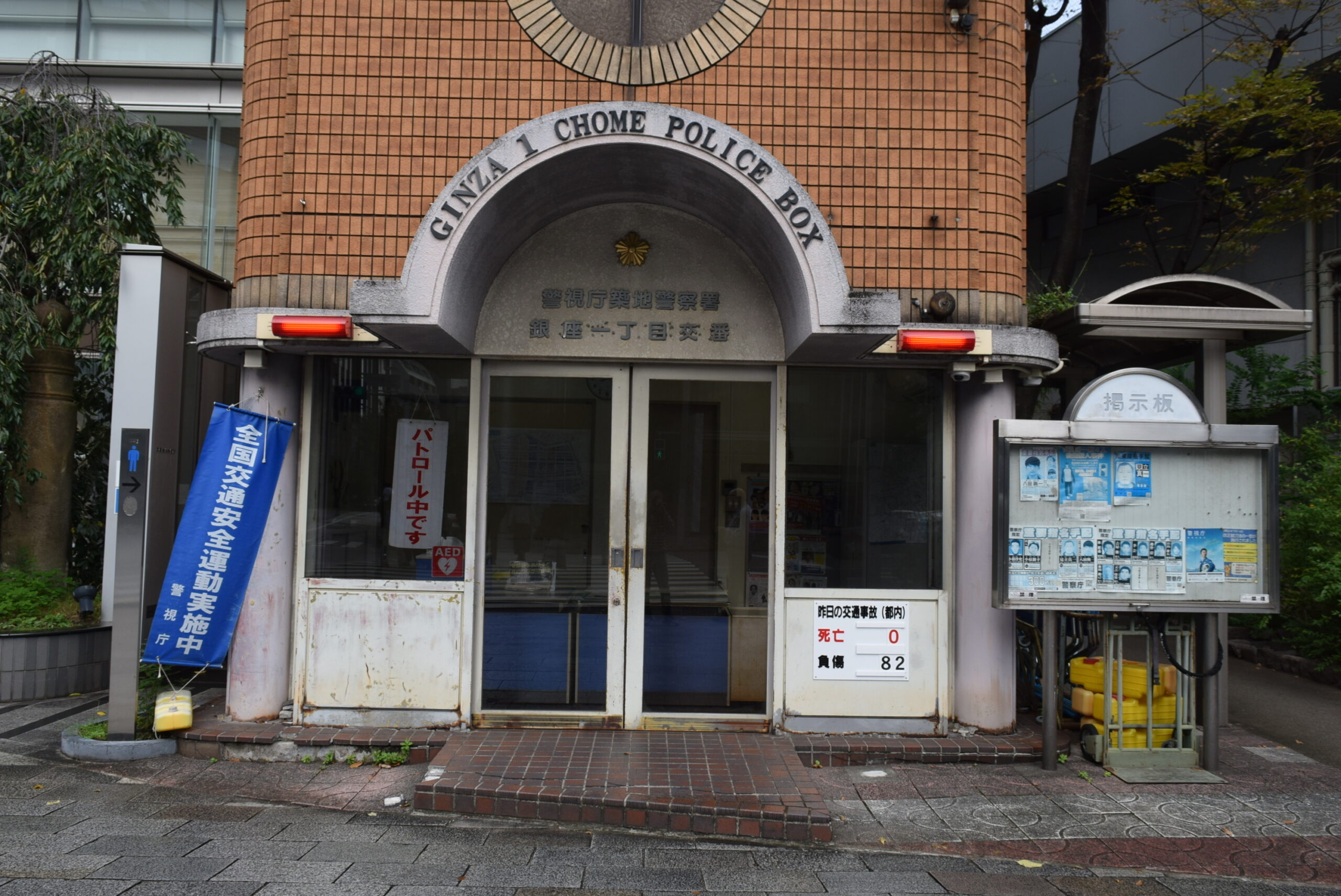
If your passport is lost in Japan, first secure any missing cards and phone, then contact the venue or transport operator where it was last used. File a Lost Property Report at a police station or koban and keep the report number. Contact your own embassy or consulate through its official channel because replacement and emergency-document rules depend on nationality. Before changing flights, confirm the new document, transit requirements and any Japanese immigration steps with the responsible authorities and operating airline. If theft is possible, say so to police. Keep every report, fee receipt and travel-change record for an existing insurer.
What You’ll Learn
- Act in the correct order without exposing personal data.
- Report the loss to police and preserve the record.
- Contact the correct embassy or consulate for replacement.
- Confirm immigration, airline and transit-document requirements.
- Protect money, communication and insurance evidence.
Secure everything else first
Move to a safe place and check whether a wallet, phone, residence card, boarding pass or bank cards disappeared with the passport. Lock exposed cards and devices through their official apps or support channels before searching widely.
Do not post a passport image or full passport number publicly. Record the approximate time, route and last confirmed use while the details are fresh.
- Lock missing cards and devices.
- Write down the last confirmed place and time.
- Keep passport numbers and copies private.
Retrace the journey without losing hours
Contact the last hotel, station, train operator, taxi company, airport desk, shop or attraction directly. Give a precise time, route, seat, room or receipt reference and a description of the passport cover or case.
Transport operators and venues may hold an item before transferring it to police. Ask for a reference number and when to check again, but do not delay the police and embassy steps when departure is close.
- Call the exact venue or operator.
- Use trip records to narrow time and place.
- Save every inquiry reference number.
File a lost property report with police
Visit a nearby police station or koban and file a Lost Property Report. If theft is suspected, say so clearly and follow the officer’s instructions rather than describing it only as a loss.
Ask for written proof or the report number because the embassy, insurer, airline or immigration authority may request it. Procedures and document names can differ, so retain everything the police provide.
- Go to a police station or koban.
- Explain loss or suspected theft accurately.
- Keep the report number and documents.
Contact your own embassy or consulate
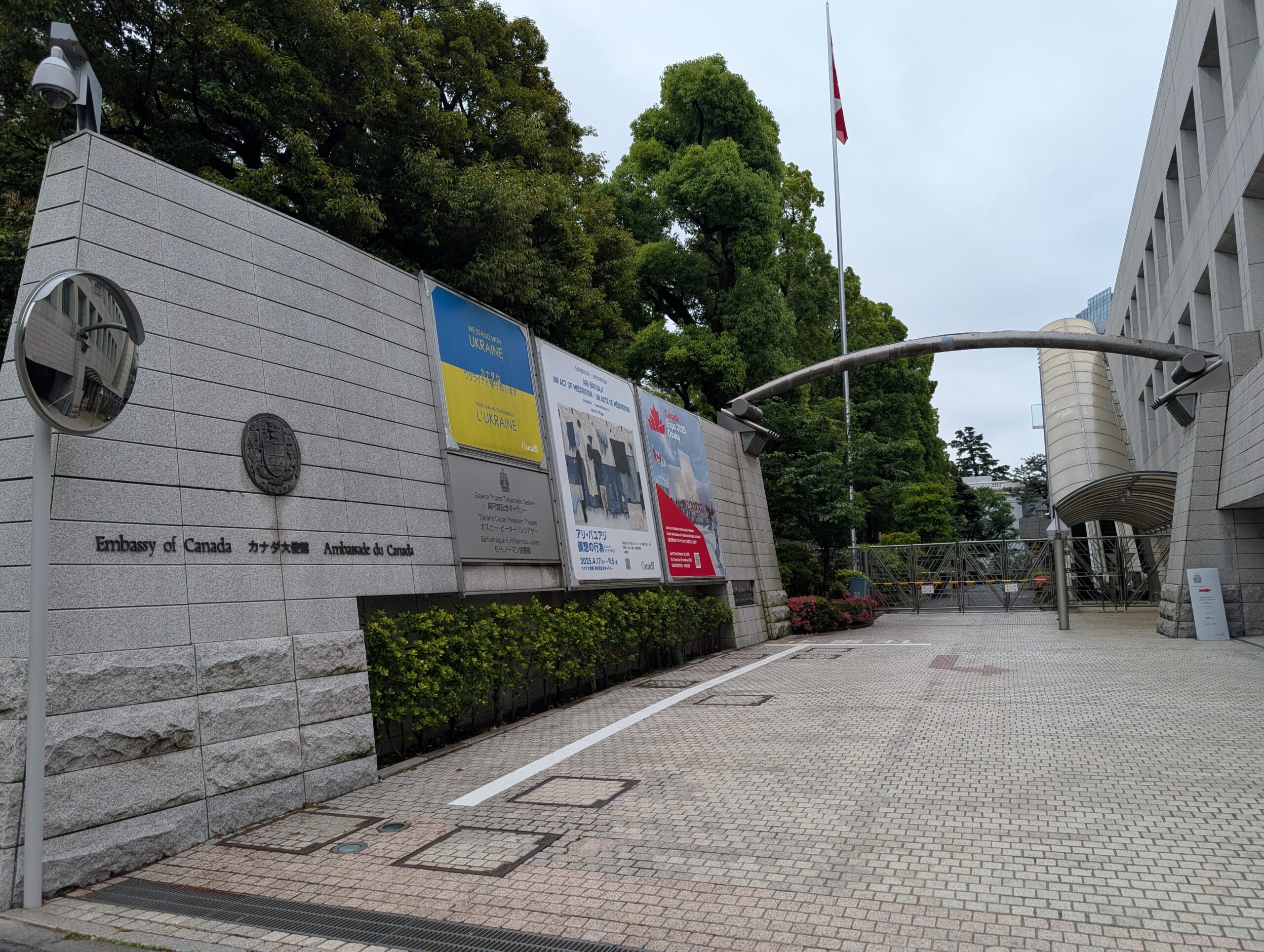
Only the traveler’s country can issue its passport or emergency travel document. Use the mission’s official website or telephone number, confirm which office handles passport emergencies and check whether an appointment is required.
Explain nationality, location, departure plan and police-report status. Do not travel to an address found in an old blog post without confirming current hours and emergency access.
- Use the official mission contact.
- Confirm jurisdiction, hours and appointment rules.
- State any urgent flight or visa issue.
Collect replacement-document evidence
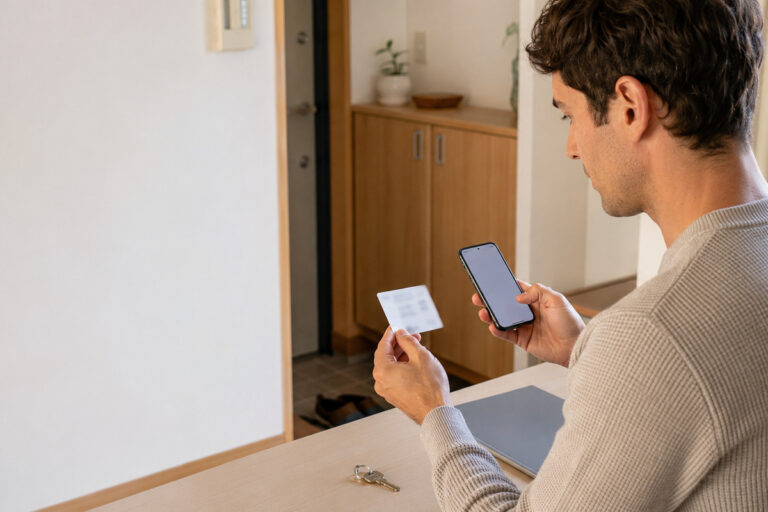
Requirements are set by the traveler’s own government. Common requests may include a police report, passport photos, application forms, proof of identity or citizenship, travel itinerary, payment and a local contact, but no universal list applies.
A secure digital copy of the lost passport can help identify the document, but it is not a travel document. Ask the mission what substitutes it accepts when every original identity document was lost.
- Follow the issuing country’s exact checklist.
- Obtain compliant passport photos if requested.
- Treat a passport copy as evidence, not permission to travel.
Choose the document that matches the journey
An emergency travel document may be limited to a particular trip, destination or transit route. A replacement passport may take longer. Ask what the document permits before choosing solely by speed.
Confirm whether every transit country and the destination airline accepts the proposed document. The issuing mission and carrier, not a hotel or informal adviser, should guide that decision.
- Ask where the document is valid.
- Check every transit point.
- Do not assume emergency papers equal a full passport.
Check Japanese immigration requirements
A replacement passport will not contain the lost document’s landing permission or visa evidence. Ask your embassy or consulate whether you must contact a regional Immigration Services Agency office before departure or for your particular residence status.
Residents who also lost a residence card have a separate reporting and reissuance process. Do not treat a police report or new passport as a replacement for that card.
- Explain your status and departure plan accurately.
- Follow immigration instructions for missing permission evidence.
- Handle a lost residence card as a separate document.
Tell the airline before going to the airport
Contact the operating airline, including each carrier on a connecting itinerary, and describe the exact replacement document. Ask about name matching, transit-document checks and the latest time to present for manual review.
Changing a flight before document timing is clear can create avoidable fees. Keep written airline guidance where possible, but expect final document inspection at the airport.
- Contact the operating carrier.
- Check connections and transit requirements.
- Allow extra time for document review.

Coordinate with the hotel
Tell the hotel that the passport has been reported missing and show the police and embassy documents available. Do not assume that a phone photograph alone satisfies identity or lodging-registration requirements.
Ask the embassy what proof to use during the replacement period and ask the hotel what it can accept. Keep the hotel informed if the stay must be extended while documents are issued.
- Explain the situation before the next check-in.
- Present official reports and instructions.
- Confirm extensions and charges in writing.
Respond differently when theft is possible
If bags were forced open, a wallet disappeared or transactions appeared, tell police that theft may be involved. Preserve messages, receipts, locations and photographs without confronting a suspected person.
Notify banks and relevant account providers through verified channels. A passport can support identity fraud, so monitor important accounts and follow the issuing government’s cancellation instructions.
- Use the correct police description.
- Preserve evidence and transaction records.
- Monitor accounts and identity exposure.
Restore access to money and communication
A missing passport often arrives with a missing phone or wallet. Block payment cards, contact the mobile carrier and secure email because those accounts may control banking and embassy communications.
Use a trusted device and type official addresses yourself. Be cautious of anyone offering document recovery in exchange for an urgent transfer, password or one-time security code.
- Secure email and the phone number.
- Arrange emergency funds through verified services.
- Never disclose passwords or security codes.
Use existing travel insurance correctly
Review the policy that was active when the loss occurred. It may specify notification deadlines, police documentation, covered replacement costs, delay benefits and an assistance telephone number.
Keep police records, embassy fees, photographs, transport receipts and airline change invoices. Buying a new policy after the passport disappeared should not be expected to cover the existing event.
- Call the existing insurer promptly.
- Keep original receipts and reports.
- Do not assume later coverage is retroactive.
Do not use a passport reported lost
If the original passport is found after it has been reported or cancelled, contact the issuing embassy or passport authority before using it. Cancellation may make the document invalid even when it looks undamaged.
Tell police or the transport operator that the item was recovered and follow instructions for closing the lost-property record. Continue travel only with the document confirmed valid by the issuing authority.
- Confirm validity with the issuer.
- Update the lost-property record.
- Never choose between two documents without official advice.
Reduce the damage on future trips
Store an encrypted passport copy and emergency contacts separately from the original. Keep the passport in a consistent secure place, carry only the identity documents needed that day and check seats, safes and charging areas before leaving.
Save official embassy details and insurance contacts before travel. A copy cannot replace a passport, but accurate details can shorten reporting and replacement steps.
- Separate originals, copies and emergency contacts.
- Use one secure storage routine.
- Check hotel safes, seats and counters before departure.
FAQ
Where should I report a lost passport in Japan?
Visit a nearby police station or koban and file a Lost Property Report. Also contact the venue or transport operator where the passport may have been left.
Can Japanese police replace a foreign passport?
No. Police document the loss and handle lost property. Your own country’s embassy or consulate decides the replacement or emergency travel document.
Can I fly with a photograph of my passport?
A photograph or copy can help prove details, but it is not a travel document. Ask your embassy and operating airline what valid replacement is required.
How quickly can I get an emergency passport?
Timing and eligibility depend on nationality, location, documents and the issuing mission. Contact the correct mission directly and explain any urgent itinerary.
Should I call the airline immediately?
Contact the embassy first or in parallel, then tell every operating airline which replacement document is proposed. Confirm transit checks and allow extra airport time.
What if I find the passport after reporting it lost?
Do not use it until the issuing authority confirms it remains valid. A reported or cancelled passport may be unusable even after recovery.
Will travel insurance pay for a lost passport?
It depends on the policy active when the loss occurred. Contact that insurer promptly and keep police records, embassy fees and travel-change receipts.
Related Japan Travel Guides


Official References
Final Thoughts
The fastest safe response is a controlled sequence: protect accounts, check the last location, file the police report, contact the correct embassy and verify onward travel before paying to change it. Requirements vary by nationality and status, so use official instructions for the final decision and keep a complete paper trail.