
Where to Exchange Money in Japan: Cash, ATMs and Better Rates
Compare airport counters, city exchange desks and overseas-card ATMs by total cost, then manage cash, DCC, limits and backup payment methods safely.
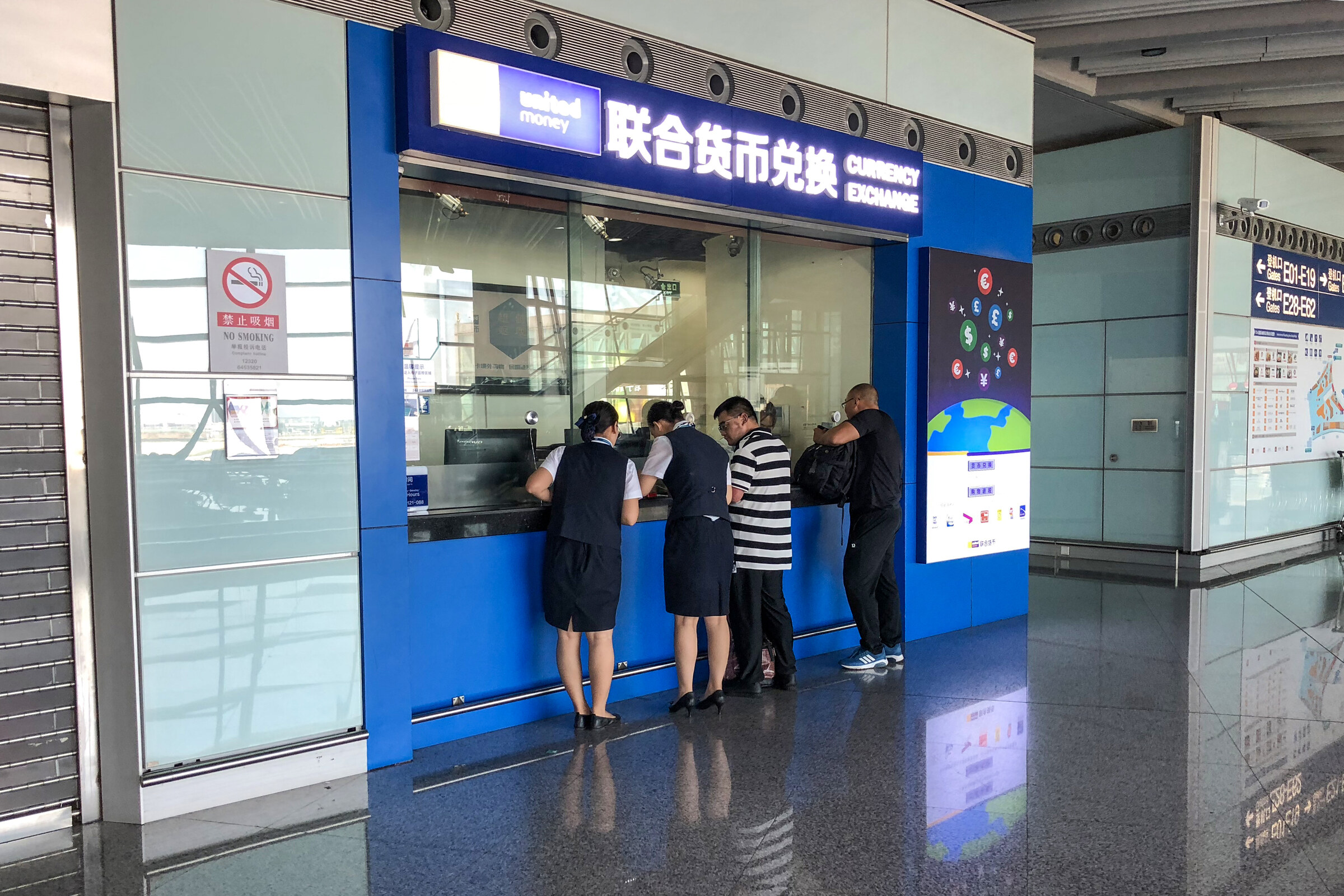
For most travelers, the best approach is a mix: arrive with a modest amount of yen or obtain arrival cash at an official airport counter or compatible ATM, then compare total costs before withdrawing or exchanging more. Judge a counter by the final yen payout, not a zero-commission sign. At an ATM, include operator, issuer and foreign-exchange fees, and choose Japanese yen instead of an unwanted home-currency conversion. Keep a backup card and some cash stored separately.
What You’ll Learn
- Compare exchange counters and ATMs using the final amount, not advertising claims.
- Choose between airport, city and pre-departure exchange based on need and convenience.
- Use Seven Bank and Japan Post Bank ATMs with realistic fee and limit expectations.
- Recognize and decline unwanted dynamic currency conversion.
- Plan a safe cash amount and a backup for failed transactions.
Compare the yen you receive, not the sign
The best place to exchange money in Japan is the option that leaves you with the most usable yen after every charge. A counter may advertise no commission but build its margin into the rate. An ATM may show a small operator fee while your card issuer adds a withdrawal fee and foreign-exchange markup.
For a counter, ask how many yen you will receive for a specific amount of your currency. For an ATM, add the ATM charge, your bank’s cash-withdrawal fee and its conversion cost. Compare that final result with the convenience, opening hours and amount you actually need.
- Compare final yen received for the same foreign-currency amount.
- Treat a zero-commission sign as one detail, not proof of the best deal.
- Check your card issuer’s fee schedule before departure.
Understand the rate before handing over cash
A currency board in Japan normally shows different buy and sell rates. If you are giving foreign currency and receiving yen, use the rate at which the counter buys your currency. The gap between the market reference rate and the customer rate is the spread.
Fixed fees matter more on small exchanges, while a weak rate matters more on a large exchange. Ask for a written quote or point to the amount you intend to exchange, then confirm the exact yen payout before committing. Do not compare two boards unless both quotes are for the same direction and amount.
- Use the counter’s buy rate when converting foreign cash into yen.
- Compare like-for-like amounts at roughly the same time.
- Confirm the final payout before signing or surrendering notes.
Decide whether to exchange before departure
Buying a modest amount of yen before departure can remove pressure on arrival. It is useful when landing late, traveling with children or connecting immediately to a place where card acceptance is uncertain. The convenience may justify a slightly less favorable quote.
There is no need to convert the entire trip budget in advance. Compare your home provider’s final yen payout with airport counters and the expected cost of an overseas-card ATM withdrawal. Carry at least two payment methods so one blocked card or closed counter does not control the trip.
- Pre-order only enough cash to make arrival comfortable.
- Ask whether collection fees are included in the quoted total.
- Tell your card issuer about travel only if its current guidance requires it.
Use airport exchange for arrival cash
Airport counters are a practical place to obtain immediate yen. Haneda and Narita publish counter locations, and Narita explicitly advises travelers that rates vary by store and that not every currency is handled at every store. Opening hours can also change.
Airport convenience does not prove either a good or bad rate. Check the displayed buy rate and ask for the final yen amount. If the quote is weak, exchange only what covers transport, food and the first part of the trip, then compare another method after reaching the city.
- Check the airport’s official service page shortly before travel.
- Confirm that your currency and denomination are accepted.
- Exchange a smaller arrival amount when you have not compared alternatives.
Compare city counters without chasing tiny differences
Dedicated exchange counters in major commercial districts may make comparison easy because several providers are nearby. Banks can also offer exchange, but available currencies, identification requirements, limits and service hours vary. A visible queue is not evidence of a better quote.
Compare two or three reputable providers using the same amount, then stop. The saving from a marginally better rate can disappear in transport cost and lost sightseeing time. Count the yen discreetly at the counter and keep the receipt until the transaction is settled.
- Photograph or note each final quote rather than relying on the headline rate.
- Bring a passport in case identification is required.
- Avoid street approaches and use an established staffed business.
Withdraw yen from an overseas-card ATM
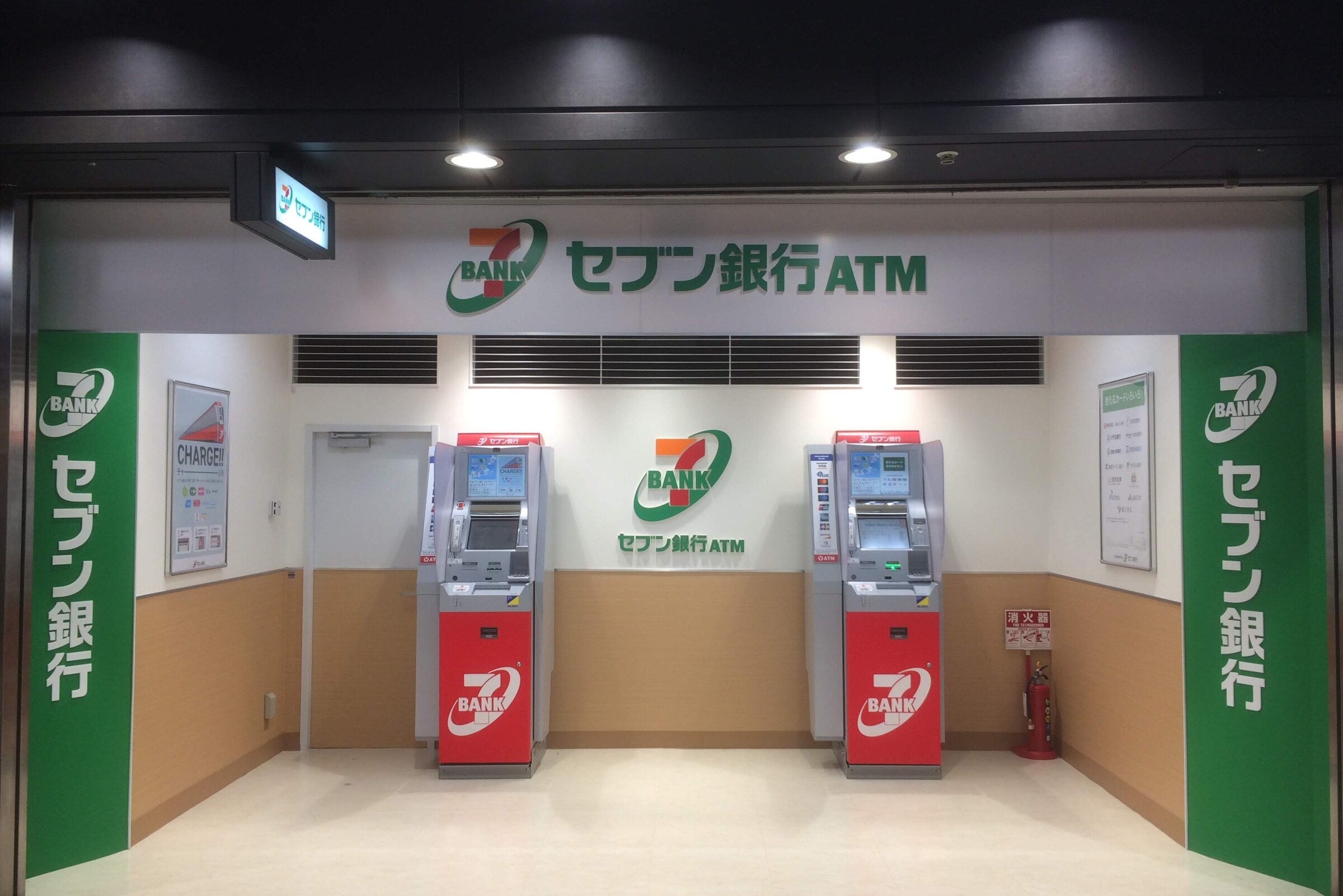
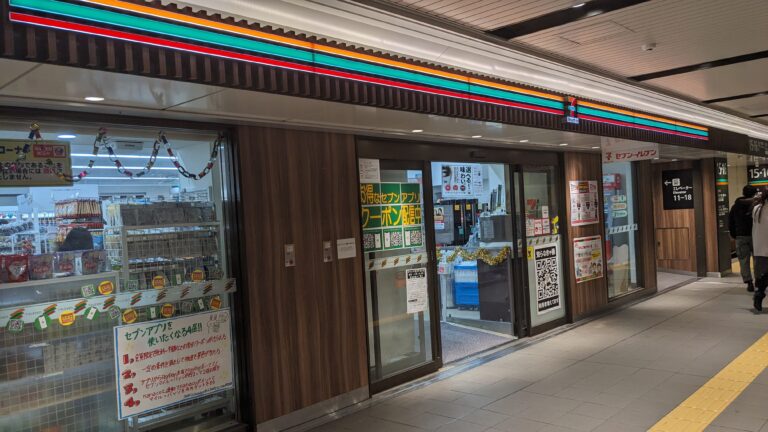
Seven Bank ATMs accept many overseas-issued cards and are widely available, including at many 7-Eleven stores. Seven Bank states a per-withdrawal limit of ¥100,000 for overseas cards and ¥30,000 for magnetic-stripe transactions; card-brand fees vary and some cards may still be rejected.
Japan Post Bank is another major option. Its official guidance says some overseas cards incur a ¥220 ATM charge, the issuer may add a fee, the single-transaction limit is ¥50,000 and service hours vary by location. Check the on-screen charge and the final debit with your bank rather than assuming every card has the same cost.
Use an ATM in a well-lit bank, convenience store, station or airport. Shield the PIN, take the card, cash and receipt, and confirm the transaction in your banking app when safe.
- Know both the ATM limit and your issuer’s daily cash limit.
- Make fewer sensible withdrawals when your issuer charges a fixed fee.
- Do not repeatedly retry a declined card; use the issuer’s support channel.
Choose Japanese yen at the currency prompt
An ATM or card terminal may offer to convert the transaction into your home currency. This is dynamic currency conversion, or DCC. Visa explains that the offer should disclose both currency amounts, the exchange rate and any additional markup or fees, and that the choice must be voluntary.
If you want your card network or issuer to perform the conversion, decline DCC and choose Japanese yen, the local currency. Read the complete screen before confirming; familiar home-currency numbers do not make the offer cheaper. Save the receipt if your selection is ignored.
- Select JPY or Japanese yen when declining DCC.
- Compare the disclosed total, exchange rate and markup.
- Cancel if the screen does not let you make an informed choice.
Give cash, cards and IC cards separate jobs
Japan is increasingly card-friendly, especially at hotels, department stores and large urban businesses, but cash remains useful at small restaurants, temples, markets, rural businesses and some ticket machines. JNTO recommends a mix rather than dependence on one method.
Use a no-foreign-transaction-fee card for suitable purchases when its terms are competitive, cash for places that require it, and a transport IC card for eligible local travel and small purchases. An IC card is not a bank account and usually needs a separate plan for topping up.
- Carry one primary card and a backup stored separately.
- Keep a small cash reserve outside the daily wallet.
- Do not assume a card logo guarantees a successful authorization.
Set a cash amount from the itinerary
There is no universal amount of yen every traveler should carry. Estimate the next two days of cash-only expenses: local transport that cannot be prepaid, small meals, admission fees, lockers, rural stops and an emergency ride. Then add a modest buffer.
A city itinerary with prepaid hotels and widely accepted cards needs less cash than a rural drive, festival visit or stay at a small inn. Recheck before leaving a major town, because a working overseas-card ATM may be harder to find late at night or in remote areas.
- List known cash-only expenses by day.
- Top up before rural travel or late arrival.
- Avoid carrying the entire trip budget in one wallet.
Handle large amounts and customs rules carefully
Japan Customs requires a declaration when entering or leaving Japan with cash or other means of payment exceeding ¥1,000,000 or the equivalent. The covered items include foreign currency, checks, travelers checks, promissory notes and securities. Consult Customs directly when your situation is close to the threshold or involves unusual instruments.
A declaration rule is separate from personal security. Split normal travel funds, use accommodation storage appropriately and avoid displaying a large roll of notes. Keep exchange and withdrawal receipts when they help document the source of funds.
- Declare covered means of payment above the official threshold.
- Do not divide funds merely to evade a reporting requirement.
- Seek official guidance for business funds or complex cases.
Bring notes a counter can accept
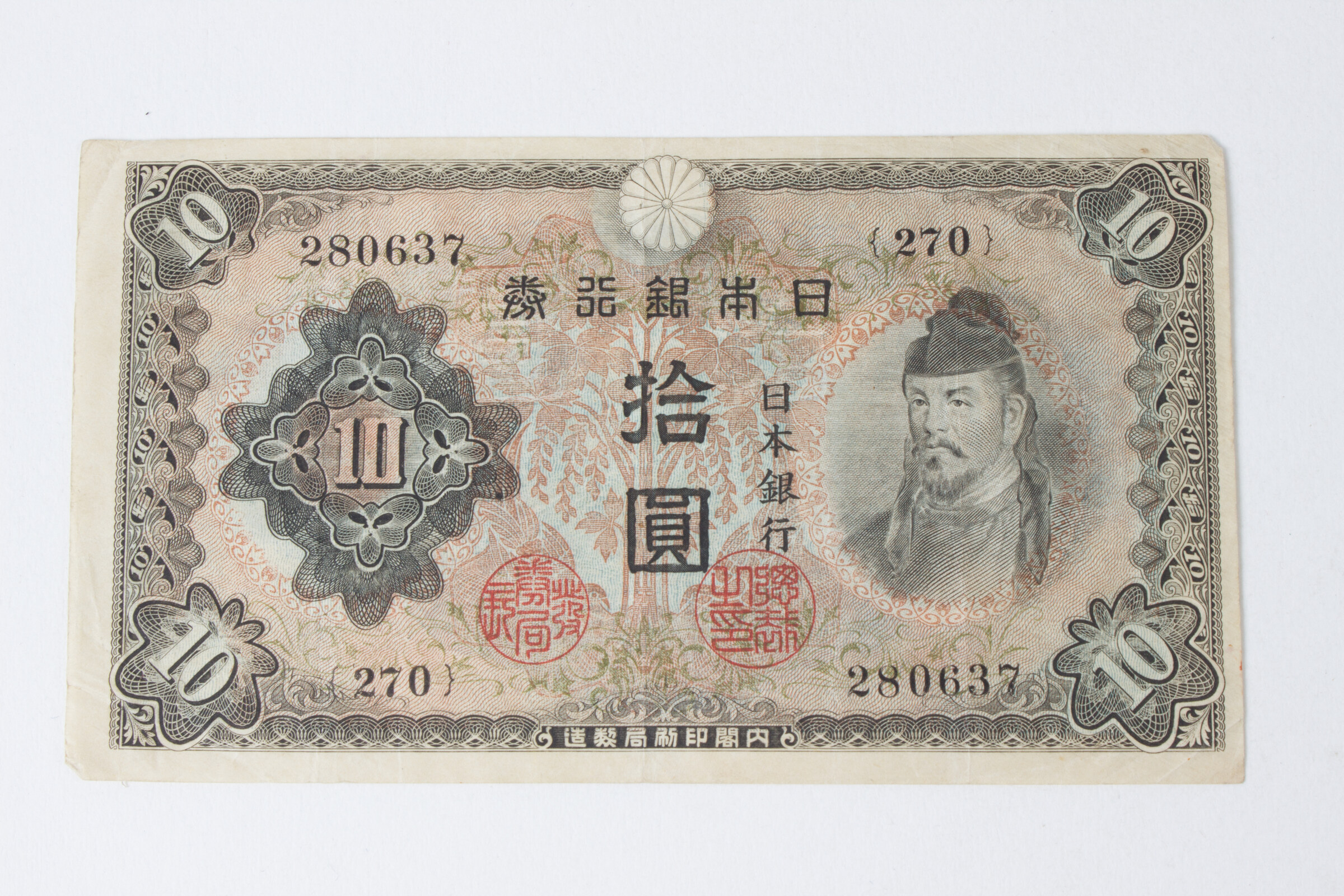
Exchange desks may refuse damaged, heavily marked, torn or obsolete foreign banknotes. Some handle only major currencies or current series, and small denominations may receive different treatment. Coins are rarely exchangeable across borders.
Sort clean notes before travel and check the provider’s accepted-currency list. Do not rely on a souvenir note or an old design without confirmation. If a note is refused, keep it rather than pressuring staff; your home bank may be the better place to resolve it.
- Carry clean, current-series foreign notes.
- Expect coins and unusual denominations to be difficult to exchange.
- Check identification and transaction-limit requirements.
Plan for leftover yen
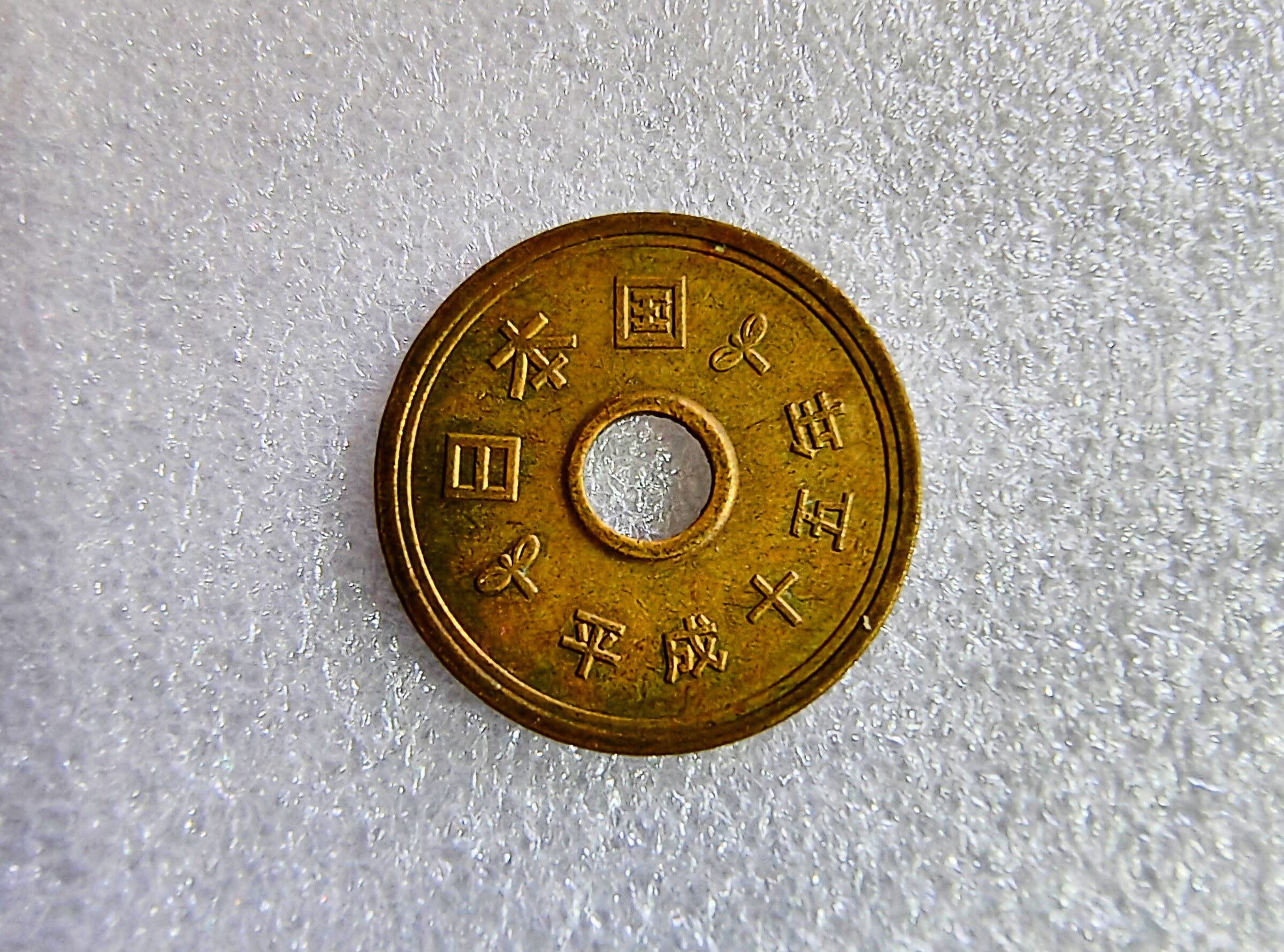
Spend coins and small notes gradually on ordinary purchases, transport top-ups where supported or final airport expenses. Currency counters may not accept coins, and converting yen back into another currency creates another spread.
If you expect to return, keeping a small, secure yen reserve can be more useful than reconverting it. Otherwise compare the final foreign-currency payout before exchanging leftover notes. Do not make an unwanted purchase merely to eliminate a small balance.
- Use coins during the trip instead of saving all of them for departure.
- Keep enough yen for the journey to the airport.
- Compare the return-exchange payout, not only the displayed rate.
Recover from a failed withdrawal or exchange
A declined ATM transaction can result from issuer controls, a wrong PIN format, a daily limit, a temporary network problem or an unsupported card. Check whether the account shows a pending debit before trying again. Contact the card issuer using a trusted number if the reason is unclear.
If an ATM retains a card, record the machine location, operator, time and contact number, then seek staff help. Do not accept assistance from a stranger who asks for the PIN. If counters are closed, use a backup card for essential purchases and locate an official airport, Seven Bank or Japan Post Bank ATM.
- Carry issuer support numbers separately from the wallet.
- Check for a pending debit before repeating a transaction.
- Keep a second card and emergency cash in another place.
Use a simple arrival strategy
Arrive with enough yen for immediate needs or obtain a modest amount at an official airport counter or compatible ATM. Once settled, compare the total cost of a city counter with an ATM withdrawal using your own card terms. Choose the method that balances net cost, reliability and time.
Before every conversion, verify the direction, amount, fees and currency. At an ATM, decline unwanted home-currency conversion and choose yen. Review your cash after each day and top up before leaving an area with easy access. This approach avoids both panic exchanges and carrying excessive cash.
- Arrival: secure transport and food money.
- City: compare one or two realistic options.
- Before remote travel: top up and protect a backup.
- Departure: keep transport money and reduce leftover coins.
FAQ
Is it better to exchange money before arriving in Japan?
A modest amount before departure can make arrival easier, but compare the final yen payout and avoid converting the full budget automatically. Many travelers combine arrival cash with later ATM withdrawals or a carefully compared city counter.
Are airport currency exchange counters always expensive?
No universal rule applies. Airport counters charge for convenience, but actual rates vary by provider and location. Compare the displayed buy rate and ask for the final yen amount; exchange only an arrival amount if the quote is weak.
Can I withdraw yen with a foreign debit or credit card?
Many overseas cards work at Seven Bank and Japan Post Bank ATMs, but acceptance, service hours, fees and limits vary. Check both the ATM disclosure and your issuer’s cash-withdrawal terms.
Should I choose my home currency or yen at an ATM?
Choose Japanese yen if you want to decline dynamic currency conversion and let your card network or issuer handle conversion. Review the disclosed rate and markup before confirming.
How much cash should I carry in Japan?
Base it on the next couple of days of likely cash-only expenses plus a modest buffer. Rural travel, small inns and festivals may require more cash than a prepaid city itinerary.
Can I exchange foreign coins in Japan?
Usually not. Exchange providers commonly handle eligible banknotes rather than foreign coins. Spend or convert coins before departure if possible.
Do I need to declare cash at Japan Customs?
Japan Customs requires a declaration when covered cash or other means of payment exceeds ¥1,000,000 or the equivalent on entry or departure. Check official Customs guidance for the precise scope.
Related Japan Travel Guides

Official References
- JNTO: currency and ATM information
- JNTO: cashless payments in Japan
- Seven Bank: overseas cards at ATMs
- Seven Bank: usable overseas cards and limits
- Japan Post Bank: ATMs for overseas cards
- Haneda Airport: money exchange services
- Narita Airport: bank and currency exchange
- Visa: dynamic currency conversion
- Japan Customs: passenger procedures
- Japan Customs: means of payment declaration
Final Thoughts
The best exchange method is the one with a clear final cost and a reliable role in your itinerary. Use airport services for urgent arrival needs, compare city counters by final payout, and use an overseas-card ATM only after checking every fee. Choose yen at an unwanted conversion prompt, keep two payment methods, and carry enough cash for the next stage without turning your wallet into the trip’s single point of failure.