
How to Use ATMs in Japan: Cards, Fees and Safe Withdrawals
Withdraw yen safely in Japan by choosing an overseas-card ATM, checking fees and limits, handling currency conversion and protecting the card, PIN and cash.
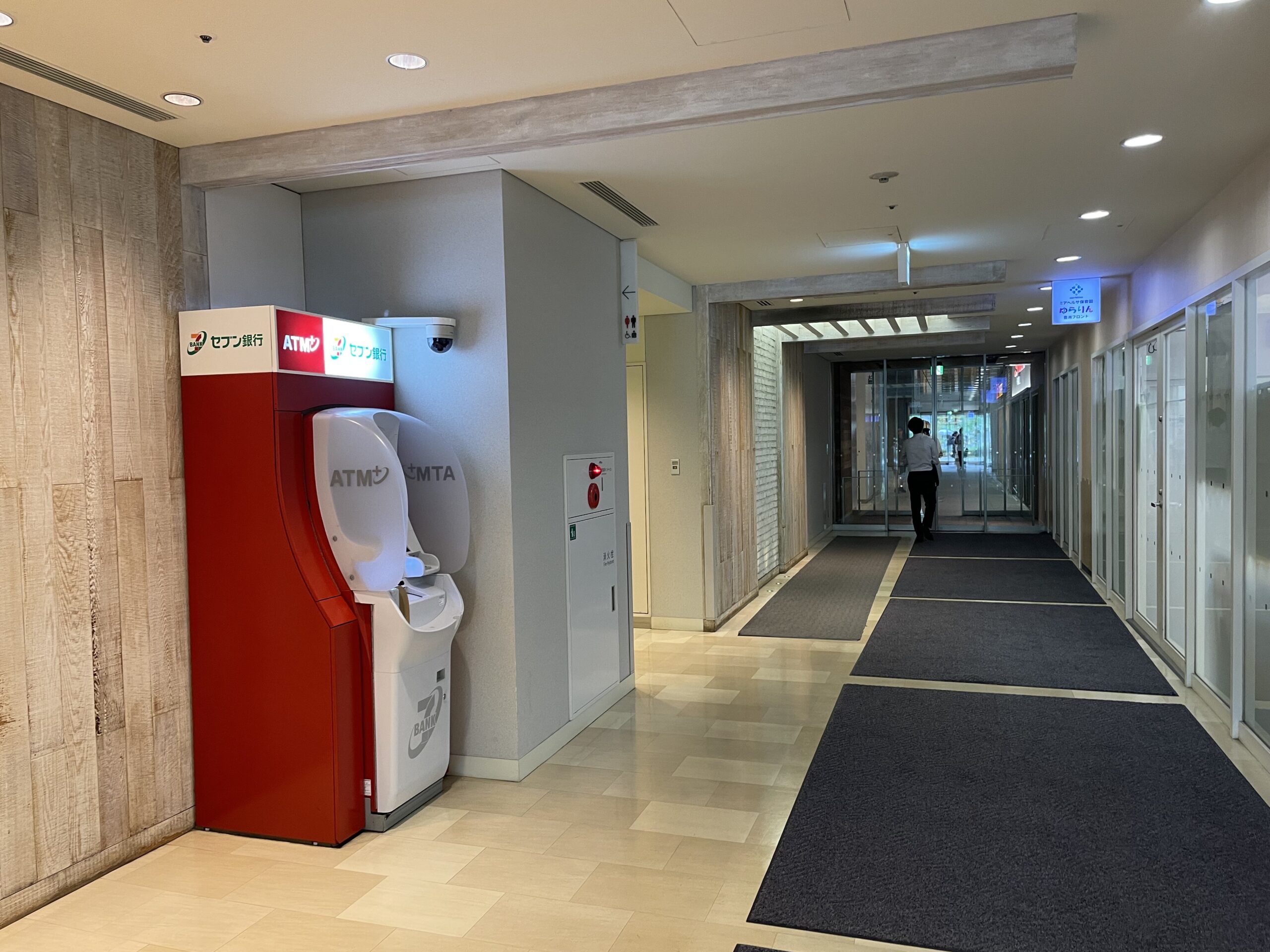
Start with an ATM whose official notice supports overseas-issued cards, such as eligible Seven Bank, Japan Post Bank or convenience-store bank machines. Confirm the network logo and issuer settings, select a yen withdrawal, shield the PIN and review the operator fee and any currency-conversion offer. Take the card, cash and receipt before leaving, and keep a second card plus emergency yen in case the transaction is declined.
What You’ll Learn
- Which Japanese ATMs commonly support overseas cards.
- How operator and home-bank fees combine.
- How to recognize a currency-conversion offer.
- What to do after a decline or retained card.
- How to protect cash, receipts and account details.
Start with an ATM that supports overseas cards
Not every Japanese ATM accepts a card issued overseas. Seven Bank machines, Japan Post Bank machines and selected convenience-store bank networks are common starting points, but supported card brands, service hours and transactions vary by operator and card issuer.
Look for the ATM operator’s official overseas-card notice and the network logo printed on the card. A matching logo improves the chance of acceptance but does not guarantee approval. Keep a second card from a different network and some emergency yen instead of depending on one machine.
- Identify the ATM operator before inserting the card.
- Match the card network to the official accepted-card list.
- Carry a second card and a small cash reserve.
Prepare the card, PIN and withdrawal plan
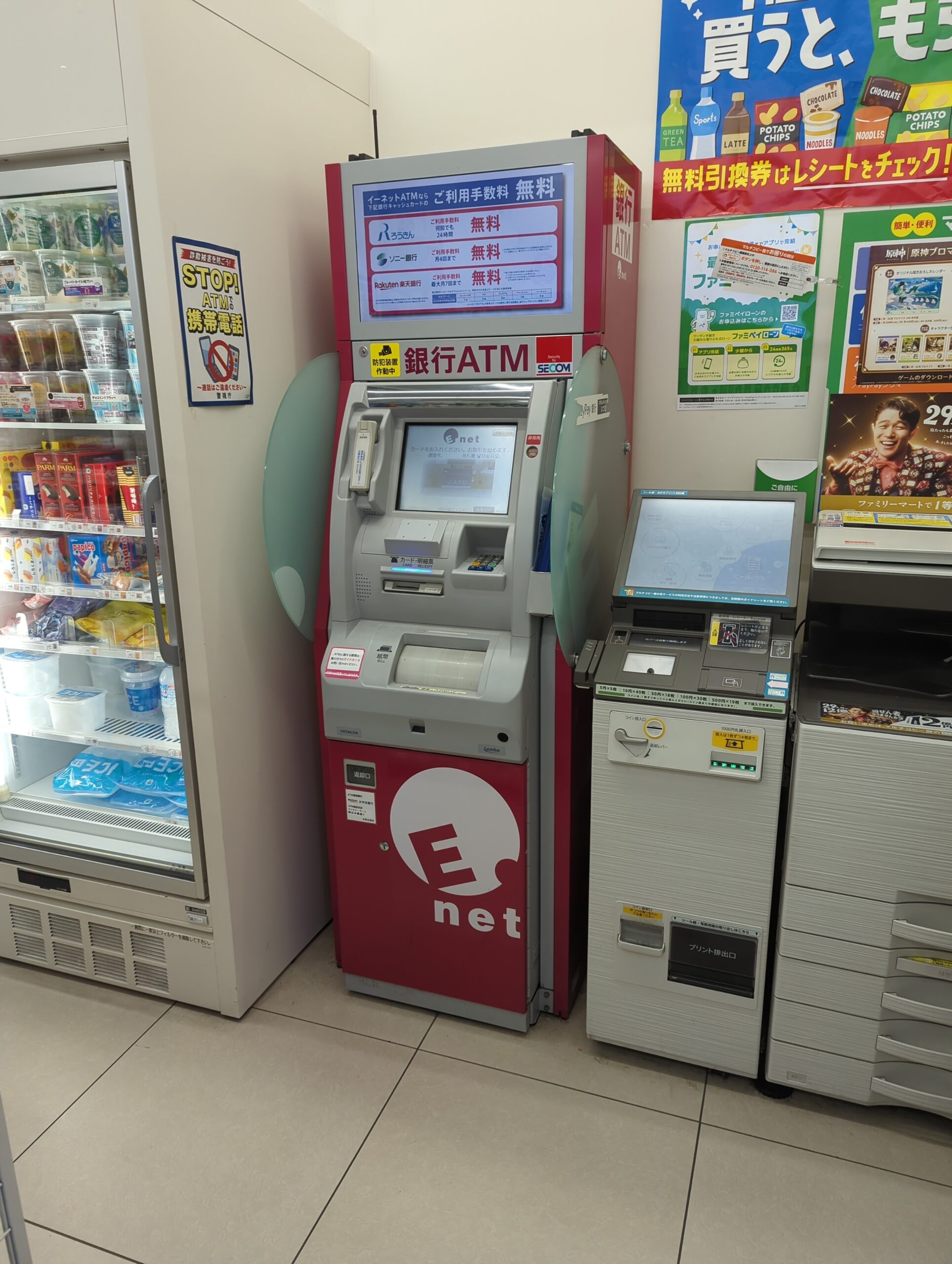
Know the numeric PIN before the trip and confirm that the issuer allows international ATM withdrawals. Some machines expect a four-digit PIN, while the issuer may apply its own security rules. Do not repeatedly guess because failed attempts can block or retain a card.
Check the daily withdrawal limit, account balance and travel notice in the banking app. Decide how much yen is needed and keep enough headroom for the ATM operator’s limit, home-bank limit, foreign-transaction charge and exchange-rate movement.
- Enable international cash withdrawals if the issuer requires it.
- Know the PIN without storing it beside the card.
- Check issuer limits and account balance.
Inspect the machine before using it
Use an ATM inside a convenience store, post office, airport, station or staffed commercial facility when possible. Check that the card slot, keypad and cash outlet look intact and that no loose cover or unusual attachment is present. Do not accept help from a stranger who approaches while the card is inserted.
Choose a language on the official screen and read the fees and service notices. Confirm that the machine can perform a cash withdrawal with an overseas card; some bank ATMs serve domestic customers only even when they look similar.
- Prefer a well-lit, supervised location.
- Check the slot and keypad for unusual attachments.
- Use only the ATM’s official on-screen language menu.
Complete the withdrawal step by step
Insert the card in the direction shown, select the language and choose withdrawal. Select the account type requested by the issuer, enter the PIN while shielding the keypad, and choose an amount in Japanese yen. Review every charge and currency choice before confirming.
Collect items in the order the machine presents them. Some machines return the card before cash, while others do the reverse. Do not turn away until the card, yen and receipt are all in hand and the screen has returned to its starting state.
- Follow the card orientation shown on the machine.
- Shield the PIN and select an amount in yen.
- Take the card, cash and receipt before leaving.
Understand operator fees and withdrawal limits
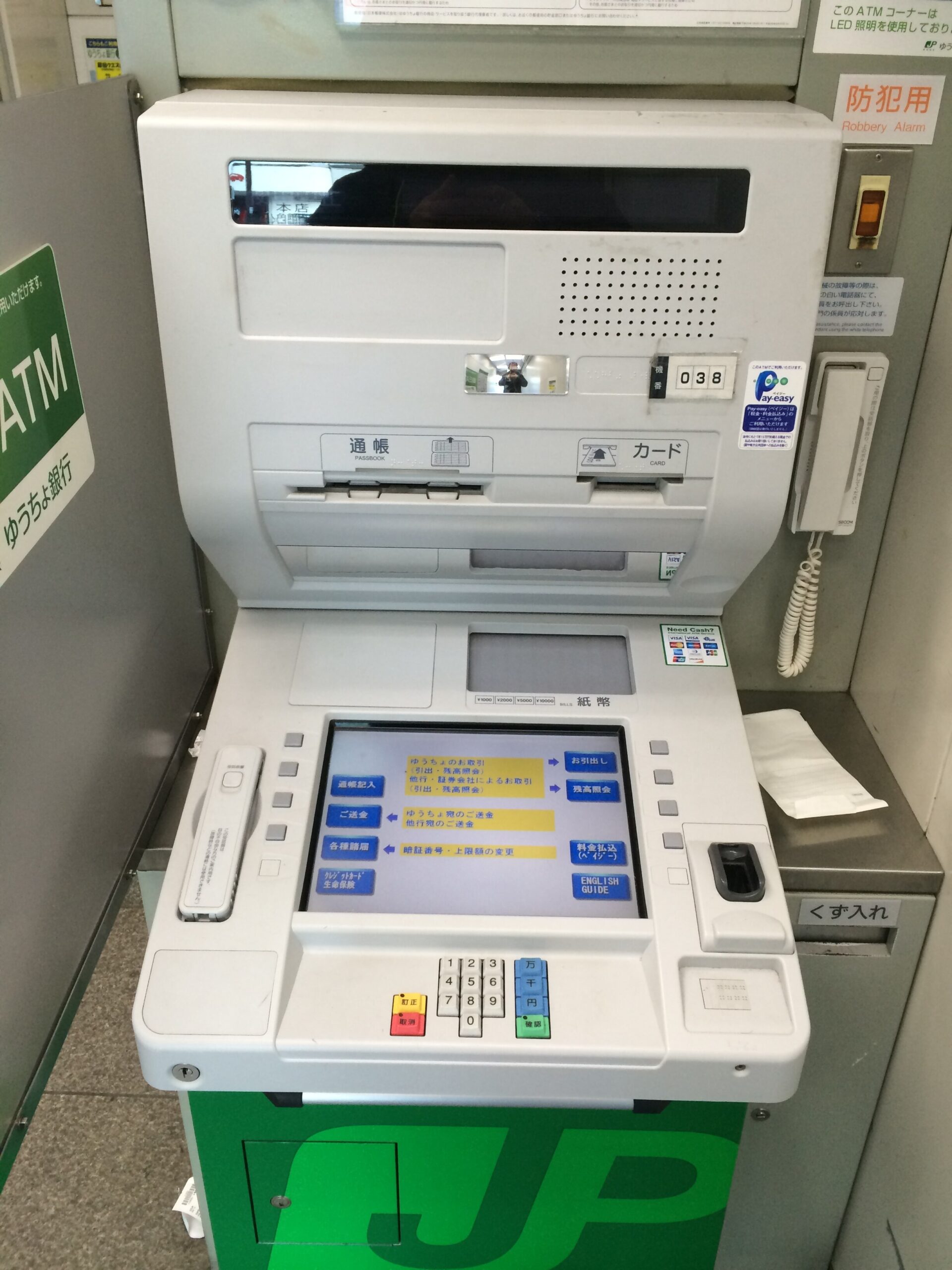
The total cost can include an ATM operator fee, a card-issuer withdrawal fee, a foreign-transaction fee and interest when a credit card treats the withdrawal as a cash advance. The amount displayed by the Japanese ATM may not include charges added later by the issuer.
Per-transaction limits differ by operator, card network and card type. A lower limit may apply to a magnetic-stripe transaction. Avoid many small withdrawals when each one creates another fixed fee, but do not carry more cash than can be stored safely.
- Separate ATM fees from home-bank fees.
- Check whether a credit card withdrawal starts interest immediately.
- Balance fewer transactions against cash-security risk.
Handle the currency-conversion screen deliberately
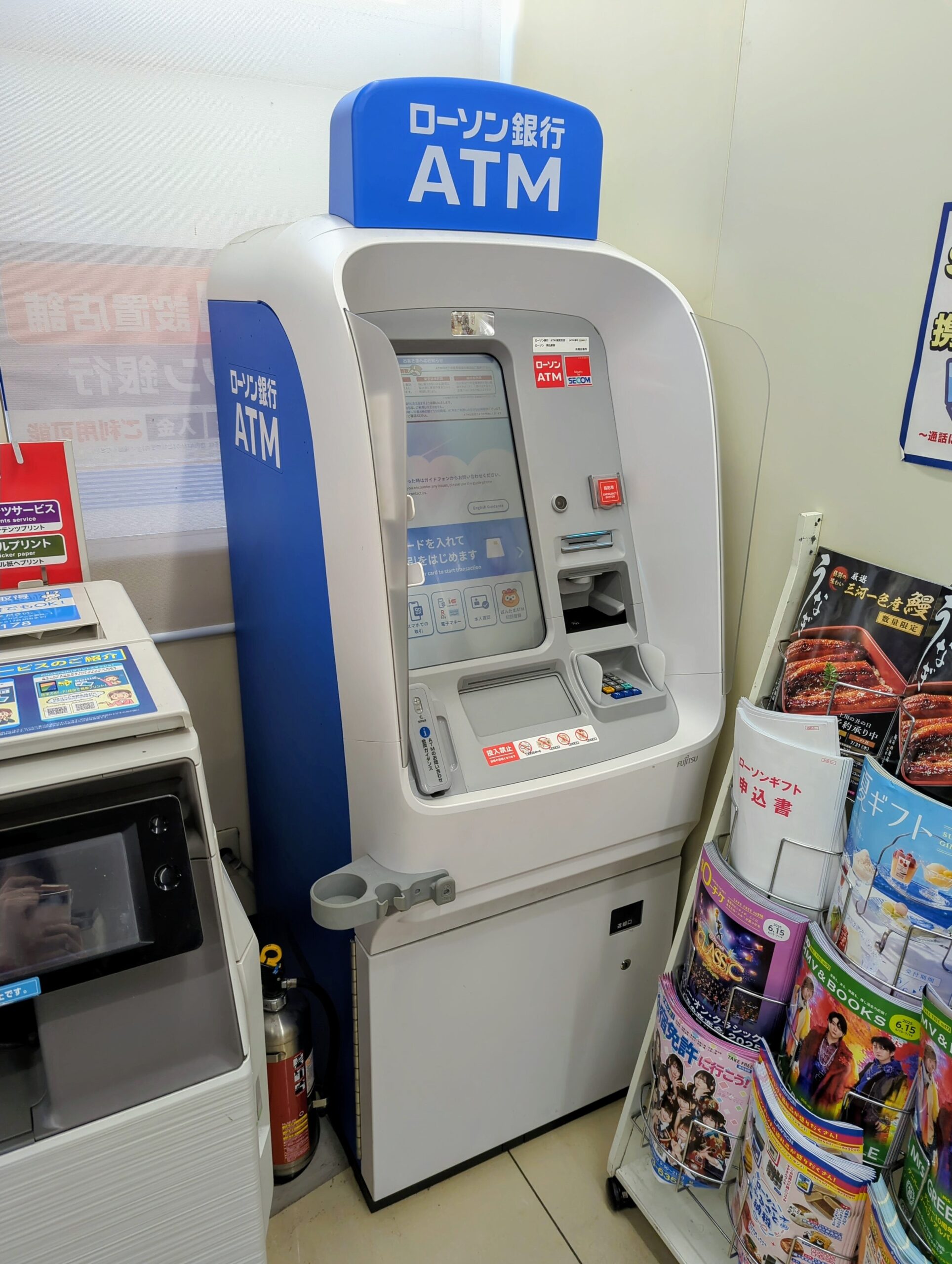
Some ATMs offer to calculate the card charge in your home currency. This is dynamic currency conversion. The screen should show the offered rate or markup so that the choice can be compared with letting the card network or issuer convert a yen withdrawal.
Do not choose a familiar home-currency amount automatically. Read both options and select the conversion method deliberately. Save the receipt and compare it with the account posting, especially when the screen wording makes it unclear which party is performing the conversion.
- Recognize home-currency billing as a conversion offer.
- Compare the displayed rate or markup before accepting.
- Keep the receipt until the transaction settles.
Respond safely when a card is declined
A decline can result from an unsupported card, issuer security block, incorrect PIN, withdrawal limit, insufficient funds, network outage or ATM service restriction. Read the message, take the card and avoid repeating the same attempt many times.
Check the issuer app or call the number on the card from a secure place. Try a different supported ATM operator or the backup card only after confirming the account is not blocked. Do not let urgency push you toward an unmarked cash machine or an offer from a stranger.
- Stop repeated attempts after a clear decline.
- Check the issuer for a block or limit.
- Switch operator or card only after protecting the account.
Act immediately if the ATM keeps the card
Stay at the machine and use the displayed operator contact or ask nearby store or facility staff for help. Record the ATM operator, location, machine number, time and transaction message. A convenience-store employee may not control the ATM, but can help identify the correct operator.
Contact the card issuer promptly to freeze or replace the card if it cannot be returned securely. Never reveal the PIN to staff, an operator or anyone claiming to assist. Use the backup payment plan while the card status is resolved.
- Remain at the machine while contacting the operator.
- Record the exact ATM and location details.
- Freeze the card through the issuer if recovery is uncertain.
Protect cash and account information afterward
Count cash discreetly and put it away before leaving the ATM area. Split a larger amount between secure locations rather than keeping everything in an outer pocket. Do not display the receipt because it can contain transaction or account details.
Check the banking app for the withdrawal and any temporary authorization. Report an amount error, duplicate transaction or unauthorized withdrawal quickly through the issuer and keep the receipt, ATM location and time as evidence.
- Store cash before entering a crowd.
- Protect or destroy receipts containing account details.
- Review the account and report errors promptly.
Plan around service hours and travel timing
An ATM in an all-night convenience store may still have operator maintenance periods, card-network interruptions or branch-specific limits. Post office and station machines can become inaccessible when the building closes. Withdraw before a rural journey or late arrival instead of waiting until cash is urgently needed.
Cash remains useful for small restaurants, temples, rural transport, coin lockers and other places that may not accept a foreign card. Estimate the next day’s needs, but use cards directly where acceptance and conversion costs are reasonable to reduce unnecessary withdrawals.
- Withdraw before entering a cash-dependent area.
- Check building access as well as ATM service hours.
- Keep enough yen for small and offline payments.
Use a complete ATM checklist
Before the transaction, verify the operator, accepted network, secure location, account status, PIN and intended yen amount. During the transaction, shield the keypad, review fees and conversion, and do not accept outside help.
Afterward, take the card, cash and receipt, secure the money and review the account. If the machine declines or retains the card, stop, record the ATM details and contact the operator and issuer rather than improvising.
- Before: verify operator, card, PIN and limits.
- During: shield the PIN and review all charges.
- After: collect everything and check the account.
FAQ
Which ATMs in Japan accept foreign cards?
Seven Bank, Japan Post Bank and selected convenience-store bank networks accept many overseas-issued cards. Check the official accepted-card list on the exact operator because availability varies.
How much yen can I withdraw at once?
The limit depends on the ATM operator, card network, card type and home bank. The amount shown by one machine is not a universal Japanese limit.
What fees apply to a Japanese ATM withdrawal?
Possible costs include the Japanese operator fee, issuer withdrawal fee, foreign-transaction charge and cash-advance interest. Check both the ATM screen and the card terms.
Should I choose yen or my home currency?
A home-currency option is usually dynamic currency conversion. Compare its displayed rate or markup with letting the card network or issuer convert a yen transaction before choosing.
Why was my card declined?
Common causes include an unsupported network, security block, incorrect PIN, account limit, insufficient funds or service outage. Stop repeated attempts and check with the issuer.
What should I do if the ATM keeps my card?
Stay at the machine, record its operator and number, use the displayed contact and notify the issuer. Never disclose the PIN to anyone assisting.
Can I use a credit card to withdraw cash?
If the card and ATM support it, yes, but the issuer may treat it as a cash advance with a fee and immediate interest. Check the card terms first.
Are convenience-store ATMs always available?
Store hours can be long, but ATM maintenance, network limits and building access can still interrupt service. Withdraw before cash becomes urgent.
Related Japan Travel Guides
Official References
Final Thoughts
The safest ATM plan uses a known operator, a card already enabled for international withdrawals and a deliberate decision on fees and conversion. Keep a backup card and a modest yen reserve, then record the machine details whenever a transaction fails. That prevents a simple cash need from becoming a larger account or travel problem.